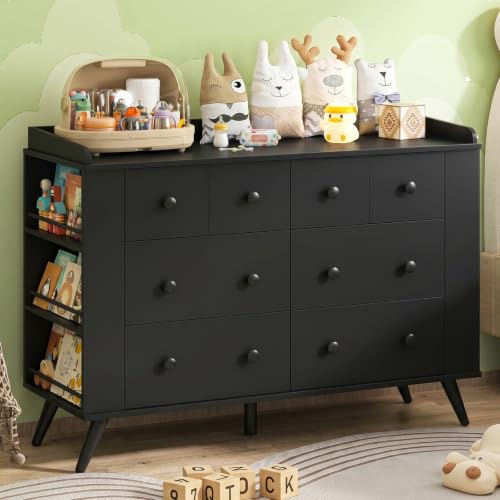
Black Nursery Dresser: A Bold & Stylish Choice for Your Baby's Room
Discover why a black nursery dresser is a smart, sophisticated storage solution for modern parents. From safety features to styling ideas, get everything you need to choose with confidence.
Explore Buying GuideWhy consider a black nursery dresser? Black furniture has shed its old reputation. In today's nursery design, a black dresser acts as a striking anchor piece that grounds the room with elegance and depth. It hides minor smudges better than white finishes, pairs beautifully with every color palette, and grows with your child from newborn through the toddler years and beyond.
Whether you're drawn to a black nursery dresser changing table combo or a standalone storage piece, this guide walks you through styles, safety standards, and practical considerations so you can make a well-informed decision.
Why a Black Nursery Dresser Works Beautifully
A black dresser in a nursery might seem unconventional at first, but interior designers and experienced parents increasingly favor this choice for several compelling reasons. The color black is inherently grounding — it provides visual weight that balances light-filled rooms and anchors a space without overwhelming it.
Versatile Color Pairing
Black complements virtually every nursery theme — from soft pastels and warm neutrals to bold jewel tones and monochrome modern designs. It adapts as your child's room evolves.
Hides Everyday Wear
Unlike white or light finishes that show every fingerprint and scuff, a black finish masks minor marks and dust, keeping the nursery looking tidy with less effort.
Grows With Your Child
A well-chosen black dresser transitions seamlessly from nursery to toddler room to teen bedroom. It's a long-term investment in furniture that won't feel babyish in a few years.
Creates Visual Depth
In small nurseries, a black dresser adds depth and definition. It can make a compact room feel more designed and intentional rather than merely furnished.
If you're building a cohesive dark-toned nursery, a black dresser pairs exceptionally well with other black furniture pieces. For instance, you might coordinate with a black king bedroom set if the nursery doubles as a guest space, or a black queen bedroom set in an adjoining master bedroom for a unified aesthetic throughout your home.
Popular Styles of Black Nursery Dressers
The right style depends on your nursery's overall design theme and your functional needs. Here are the most common styles parents choose:
Modern & Minimalist
Clean lines, flat fronts, and subtle hardware. A black mid-century dresser offers tapered legs and retro charm that suits contemporary nurseries.
Changing Table Combo
A black nursery dresser changing table combines storage with a dedicated changing surface, saving space in compact nurseries.
Tall & Narrow
Perfect for small rooms. A black tall narrow chest of drawers maximizes vertical storage without consuming floor space.
Wide & Low
A black wide dresser provides ample surface area for a changing pad and keeps essentials within easy reach at a comfortable height.
Wood Finish
A black wood dresser brings natural texture and warmth, softening the boldness of black while maintaining durability.
Rattan & Textured
A black rattan dresser adds bohemian texture and visual interest, perfect for eclectic or coastal-inspired nurseries.
For parents who want a complete coordinated look, exploring black nursery dresser options alongside matching nightstands or a black nightstand set of 2 can create a polished, unified nursery environment.
Buying Guide: What to Look For in a Black Nursery Dresser
Shopping for nursery furniture requires balancing aesthetics with safety, durability, and practical functionality. Here's what experienced parents and furniture specialists recommend focusing on:
1. Material & Construction Quality
The material determines how long your dresser will last and how well it withstands the demands of daily nursery use. Solid wood construction — particularly black solid wood dresser models — offers superior durability and can be refinished if needed. Engineered wood with quality veneers provides a more accessible entry point while still delivering respectable longevity. Pay attention to drawer joinery: dovetail joints outperform stapled or glued construction significantly.
2. Drawer Glides & Hardware
Smooth-gliding drawers are essential in a nursery where you'll frequently access supplies one-handed. Look for metal ball-bearing glides with a soft-close mechanism. The hardware — knobs and pulls — should be securely attached and free of sharp edges. If you're upgrading an existing piece, consider black knobs for dresser drawers to refresh the look while improving grip.
3. Size & Proportion
Measure your nursery carefully before choosing. A black small dresser for bedroom use fits compact spaces, while a black long dresser for bedroom arrangements offer generous surface area and storage capacity. Consider the height: a dresser used as a changing table should have its surface at a comfortable waist height for the caregiver — typically around 36 to 40 inches from the floor.
4. Drawer Count & Configuration
Nurseries generate a surprising amount of small items — diapers, wipes, onesies, socks, burp cloths, and more. A dresser with a mix of shallow and deep drawers offers the most flexible organization. A black tall dresser with deep drawers suits parents who prefer vertical storage, while a black tallboy drawers configuration works well in rooms where floor space is limited.
5. Finish & Paint Safety
For any nursery furniture, verify that the finish is low-VOC or water-based and meets current safety standards for children's furniture. A quality black wood dresser with mirror should have a smooth, fully cured finish with no off-gassing odor. Avoid vintage pieces with unknown paint unless you've confirmed they're lead-free.
6. Style Coordination
A black dresser should feel intentional within your nursery's design. If your style leans modern, a black modern nightstand set of 2 can echo the dresser's clean lines. For a more traditional look, a black vintage chest of drawers adds character and timeless appeal.
Nursery Safety Essentials for Dressers
Safety must be the top priority when selecting any furniture for a baby's room. Dressers — particularly tall models — present tip-over risks if not properly secured. Follow these essential guidelines:
⚠️ Critical Safety Checklist
Anchor every dresser to the wall. Use the anti-tip kit included with the dresser or purchase a wall-anchoring strap rated for furniture. This is non-negotiable in a nursery.
Verify stability. A quality dresser should feel solid and not wobble. Check that the base is level and the feet are sturdy. Avoid dressers with a narrow base relative to their height.
Check drawer stops. Drawers should have stops that prevent them from pulling completely out — especially important when a toddler starts exploring.
Confirm non-toxic finishes. Look for GREENGUARD Gold certification or equivalent, indicating low chemical emissions and safe materials for indoor air quality.
Choose rounded edges. Avoid sharp corners that could injure a crawling or walking child. If your chosen dresser has sharp edges, consider corner guards.
Never place a changing pad on a dresser without a safety strap. If using a dresser as a changing station, always use a contoured pad with a safety strap and keep one hand on your baby at all times.
The black nursery dresser changing table combination is a popular space-saving solution, but it's critical that the changing surface is securely attached and that the dresser itself meets all stability requirements. Never use a standalone dresser as a changing surface without proper safety precautions.
Nursery Organization Tips for Your Black Dresser
A well-organized dresser makes middle-of-the-night diaper changes far easier. Here's how to set up your black nursery dresser for maximum efficiency:
- Top drawer: Keep diapers, wipes, diaper cream, and changing pad liners within arm's reach. Use small dividers to separate sizes.
- Second drawer: Store onesies, sleepers, and everyday outfits organized by size. Roll items rather than folding to save space and see everything at a glance.
- Third drawer: Reserve for burp cloths, bibs, socks, and hats — items you reach for frequently but don't need instantly.
- Bottom drawers: Use for out-of-season clothing, extra bedding, or larger items like sleep sacks and swaddles.
- Invest in drawer dividers: Adjustable dividers keep tiny baby items from becoming a jumbled pile. This is especially important in deep drawers.
- Rotate clothing regularly: As your baby grows, purge outgrown items and restock the next size up to keep the dresser functional and uncluttered.
If your nursery has limited closet space, a dresser becomes even more critical. Consider pairing your black dresser with a black vanity desk with drawers or a black wooden chest of drawers to expand storage without adding visual clutter. For families who need maximum organization, exploring a black full bedroom set provides coordinated storage across the entire room.
Black Nursery Dresser Types Compared
Understanding the trade-offs between different dresser configurations helps you choose the best fit for your nursery layout and lifestyle. The table below compares common types using universal quality tiers rather than specific figures.
| Dresser Type | Best For | Storage Capacity | Footprint | Tier Consideration |
|---|---|---|---|---|
| Standard 6-Drawer Dresser | Most nurseries; balanced storage and surface area | Moderate to generous | Medium | Mid-range to premium tiers offer the best drawer glide mechanisms |
| Changing Table Dresser Combo | Small nurseries; streamlined diaper changing workflow | Moderate | Medium | Entry-level to mid-range models vary in changing surface stability |
| Tall Narrow Chest | Compact rooms; vertical storage priority | High (vertical) | Small | High-end tier recommended for stability and drawer quality in tall designs |
| Wide Low Dresser | Larger nurseries; expansive changing surface | High (horizontal) | Large | Mid-tier and above for sturdy construction across the wider span |
| 3-Drawer Small Dresser | Minimalist nurseries; secondary storage | Entry-level | Very small | Essential tier; solid choice for supplemental storage |
Regardless of the type you choose, prioritize construction quality and safety features over cosmetic details. A mid-range dresser with excellent drawer glides and solid joinery will serve your family far better than a high-end tier model with inferior hardware.
Ready to Find Your Perfect Black Nursery Dresser?
Explore our curated selection of recommended dressers and storage solutions tailored for nurseries and small bedrooms.
View RecommendationsFrequently Asked Questions
Is a black dresser suitable for a baby's nursery?
Absolutely. A black nursery dresser is a stylish and practical choice. Black finishes hide minor marks well, pair with virtually any color scheme, and grow with your child as they transition from nursery to toddler room. The key is ensuring the dresser meets all safety standards and is properly anchored to the wall.
Can I use a dresser as a changing table?
Yes, provided you take proper precautions. Use a contoured changing pad with a safety strap and ensure the dresser's surface is at a comfortable waist height. The dresser must be securely anchored to the wall, and you should never leave your baby unattended on any elevated surface. Dedicated black nursery dresser changing table combinations are purpose-built for this dual function and are a safer option if you plan to use the dresser primarily as a changing station.
How many drawers should a nursery dresser have?
Most nurseries work well with 5 to 7 drawers of varying depths. A mix of shallow drawers for small items (socks, hats, bibs) and deeper drawers for clothing and bedding provides the most flexible organization. If you're tight on space, a black tall narrow chest of drawers maximizes vertical capacity without a large floor footprint.
What material is best for a nursery dresser?
Solid wood is the most durable and long-lasting choice, though quality engineered wood with sturdy joinery is a solid alternative. Whichever material you choose, verify that the finish is low-VOC and the product meets current safety certifications. A black solid wood dresser represents a worthwhile long-term investment for families who plan to use the piece for years.
How do I style a black dresser in a nursery?
Black is a remarkably versatile foundation. Pair it with warm wood tones, soft pastels, or bright white walls for a balanced look. Add woven baskets, a soft lamp, and a framed print or two on top. For a cohesive room design, coordinate with other black pieces like a black mid-century dresser or a black rattan nightstand set of 2 to tie the space together without overwhelming it.
Will a black dresser make a small nursery feel cramped?
Not necessarily. Dark furniture can actually make a small room feel more defined and intentional. The key is balance: use light wall colors, ample lighting, and avoid overcrowding the room with too many dark pieces. A black long dresser for bedroom uses in a compact space should be scaled appropriately — choose a size that leaves walking room and doesn't block windows or closet doors.