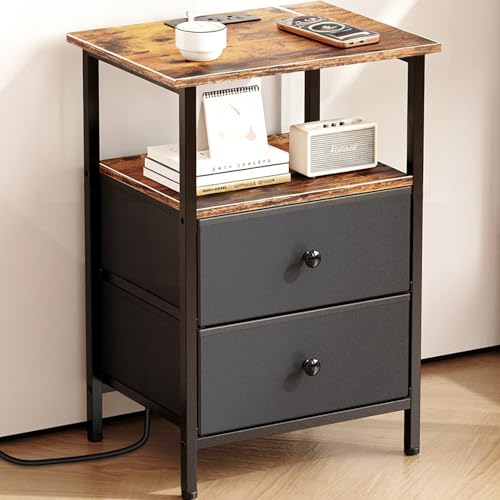
Black and Brown Bedroom Furniture: The Complete Buyer's Guide
Black and brown bedroom furniture is one of the most grounded, sophisticated pairings in interior design. Black delivers crisp contrast and architectural definition, while brown brings warmth, texture, and a natural sense of calm. Together they create bedrooms that feel intentional rather than decorated. This guide walks you through finishes, materials, drawer configurations, layout planning, and styling so you can choose a set that fits your room and your lifestyle.
Explore Recommended OptionsWhy Black and Brown Work So Well Together
Designers return to this combination because it solves a common problem: all-dark rooms feel heavy, and all-light rooms can feel flat. Black and brown sit at different points on the value scale, so they create depth without introducing a loud accent color. Black contributes edge and structure, brown contributes softness and organic character, and the result reads as balanced.
The pairing also ages remarkably well. Unlike trend-driven accent palettes, black and brown are anchored in natural materials. A black and brown dresser made from solid hardwood looks just as appropriate in a modern apartment as it does in a traditional farmhouse bedroom, which makes it a long-term investment rather than a seasonal choice.
Finally, the combination is forgiving to live with. Both tones hide everyday wear better than white or bright painted finishes, and they accept a wide range of bedding, art, and rugs. You can refresh the room later with textiles alone and never need to replace the furniture itself.
Understanding Black and Brown Finishes
Not every black is the same, and not every brown behaves the same way. Before you commit to a full bedroom set, learn to read the finish, because finish is what determines whether the pairing looks coordinated or accidental.
Black Finishes
- Matte and satin black: The most versatile option. Soaks up light, minimizes glare, and pairs naturally with wood grains. A strong choice for contemporary and minimalist bedrooms.
- Gloss and lacquered black: Reflects light and creates a more formal, dramatic look. Works beautifully when balanced with warm brown wood and soft textiles.
- Distressed and antiqued black: Rub-through edges reveal brown or wood undertones. A distressed black dresser is effectively a black-and-brown piece in a single unit, which makes coordination effortless.
- Black with metallic accents: Gold, brass, and silver hardware shift the mood considerably. Warmer metallics lean classic; cooler metallics lean modern.
Brown Finishes
- Walnut and espresso: Deep, rich browns that sit close to black on the value scale. These create a subtle, low-contrast pairing that feels luxurious and calm.
- Oak and natural wood: Lighter and more honeyed. These create strong contrast against black and keep a room from feeling cave-like.
- Mahogany and cherry: Reddish-brown undertones add traditional warmth and pair especially well with black hardware and black mirror frames.
- Weathered and rustic brown: Textured, reclaimed-look finishes soften black furniture and suit farmhouse, coastal, and industrial styles.
Materials That Matter
The finish is what you see; the material is what determines how long the furniture lasts. In dark tones, material quality is especially visible because scratches and chips expose the substrate underneath.
Solid Hardwood
Solid oak, walnut, maple, and mahogany are the gold standard. They can be sanded and refinished, hold hardware securely, and develop a patina over time. If you want bedroom furniture you will still be using a decade from now, this is the category to prioritize.
Engineered and Veneered Wood
Engineered wood with a quality veneer offers an excellent middle path. Modern veneers are thin slices of real wood bonded to a stable core, so the surface looks authentic and resists warping better than solid wood in humid rooms. The key is the core: denser cores hold screws and drawer glides far better than hollow or honeycomb constructions.
Mixed Materials
Black-and-brown pairings often incorporate a third material. Leather pulls, rattan panels, marble tops, and metal frames all add texture. A black and rattan dresser, for example, introduces a warm mid-brown natural fiber that softens the black frame without changing the overall palette.
Choosing the Right Configuration for Your Bedroom
A bedroom set is more than a dresser. The right configuration depends on how much you store, how much floor space you have, and whether you need a mirror or a changing surface. Below are the most common setups for black and brown bedroom furniture.
| Configuration | Best For | Space Requirement | Notes |
|---|---|---|---|
| Dresser and one nightstand | Compact bedrooms, single sleepers, guest rooms | Low to moderate | Simplest coherent set; easy to expand later |
| Dresser and two nightstands | Primary bedrooms with a double or queen bed | Moderate | Symmetrical layout that frames the bed |
| Dresser and chest of drawers | Couples, households with significant clothing volume | Moderate to high | Splits storage by category; great for shared rooms |
| Dresser with mirror | Rooms without a dedicated vanity | Moderate | Mirror adds light and perceived depth |
| Set with a large dresser | Spacious primary suites | High | Maximizes single-piece storage; watch wall length |
| Set with a vanity dresser | Rooms that need a grooming station | Moderate | Combine seating clearance into your measurements |
| Four-piece set | New households furnishing a room at once | High | Bed, dresser, mirror, and nightstand in one palette |
Dresser Size and Drawer Count
Drawer count should follow your actual wardrobe, not a floor plan. As a working rule, a single adult typically needs a wide six-drawer dresser or a combination of a four-drawer dresser plus a tall chest. Couples usually need two distinct storage zones. If you are sharing a room, a bedroom set with a chest of drawers gives each person a dedicated piece.
Also consider drawer depth. Shallow drawers suit folded shirts, socks, and accessories, while deep drawers suit knitwear, denim, and bedding. A black dresser with deep drawers is practical for bulky items but can become disorganized without dividers, so plan your interior organization alongside the purchase.
Layout and Space Planning
Dark furniture demands deliberate placement. These guidelines keep a black and brown bedroom feeling open and balanced.
- Maintain a 36-inch walking path in front of any dresser with drawers. Drawers need room to extend fully, and a blocked path is the most common bedroom layout mistake.
- Anchor the heaviest piece first. Place the dresser or chest on the longest uninterrupted wall, then position the bed. This prevents the room from feeling crowded on one side.
- Use light on dark. Pair dark furniture with lighter walls, light bedding, or a pale rug. The contrast keeps the room airy without changing the furniture palette.
- Add a mirror opposite a window to bounce natural light across dark surfaces. This is especially effective in north-facing rooms.
- Respect door swings and closet clearance. Measure with the doors open, not just the furniture footprint.
Market Tiers: What to Expect at Each Level
Rather than anchoring your decision to a number, think in tiers. Each tier represents a different balance of construction, material honesty, and refinement. We use a consistent three-tier framework throughout this guide.
Entry-Level Tier
Engineered wood with printed or thin veneer finishes, stapled or cam-lock assembly, and basic roller glides. Suitable for guest rooms, rentals, and short-term setups. Expect a clean look but limited repairability.
Mid-Range Tier
Denser engineered cores or solid wood fronts, dovetail or reinforced drawer boxes, metal ball-bearing or soft-close glides, and better hardware. The best balance for most primary bedrooms and the tier where dark finishes hold up best.
Premium to Luxury Tier
Solid hardwood construction, hand-finished surfaces, dovetail joinery throughout, soft-close undermount glides, and premium hardware. A long-term investment that can be refinished and passed down.
When comparing tiers, the differences are most visible in the details: the smoothness of the glide, the alignment of drawer fronts, the consistency of the finish at the edges, and the solidity of the back panel. A mid-range piece with excellent glides will usually outlast an entry-level piece with a more decorative facade.
Styling Black and Brown Bedroom Furniture
Balance the Palette
Use the 60-30-10 guideline loosely: let a neutral wall and bedding occupy the majority of the visual field, let brown or black furniture occupy the secondary share, and reserve a small accent share for a third element such as brass hardware, greenery, or textured textiles. This prevents the room from reading as two flat blocks of color.
Choose Bedding and Textiles
Crisp white, oatmeal, and warm gray bedding lighten dark frames instantly. Layer texture rather than color: linen, waffle cotton, chunky knits, and a wool or jute rug add richness without competing with the furniture. If you want more contrast, deep charcoal and camel textiles extend the black-and-brown theme without introducing a new hue family.
Hardware as a Unifier
Hardware is the simplest way to make mismatched tones look intentional. Repeating the same metal finish across a dresser, nightstand, and chest ties the set together. Warm metallics like brass and antique gold soften black surfaces, while matte black hardware unifies brown wood into a modern scheme. A black dresser with gold knobs is a straightforward example of this technique in practice.
Lighting
Dark furniture absorbs light, so plan layered lighting: a ceiling fixture for general illumination, bedside lamps for task light, and a small accent light on the dresser to draw the eye. Warm bulbs in the 2700K to 3000K range complement brown wood and keep black finishes from looking cold.
Common Mistakes to Avoid
- Mixing too many brown undertones. A red-brown mahogany beside a yellow-brown oak can look accidental. Stick to one undertone family across the set.
- Skipping the back panel check. A thin, unfinished back panel signals weak overall construction and often leads to wobbling within a year.
- Ignoring drawer extension. Drawers that only pull out two-thirds of the way waste usable depth and make deep storage frustrating.
- Over-darkening a small room. If the room has little natural light, let brown dominate and use black only as an accent.
- Forgetting hardware consistency. Mismatched metals across a set is the fastest way to make a coordinated palette look unfinished.
Frequently Asked Questions
Is black and brown bedroom furniture a good color combination?
Yes. It is a sophisticated, grounded pairing that works across rustic, traditional, industrial, and modern styles. Black adds definition and contrast, while brown brings warmth and natural texture, making the combination versatile and timeless.
How do I mix black and brown furniture without it looking mismatched?
Repeat each tone at least twice in the room, choose a dominant color and an accent color, and unify the pairing with a shared material or finish such as matching hardware or a common wood grain. Anchoring both tones with a neutral wall color also helps significantly.
What wood tones pair best with black furniture?
Walnut, oak, and mahogany are excellent partners for black furniture. Walnut offers a rich, dark contrast, oak provides lighter natural warmth, and mahogany delivers a traditional, elegant feel.
Does black and brown furniture make a bedroom look smaller?
Dark furniture can feel visually heavier, but it does not automatically shrink a room. Balance the palette with light walls, a large mirror, adequate lighting, and a light-colored rug to keep the space feeling open.
Which tier should I choose for black and brown bedroom furniture?
Entry-level pieces are suitable for guest rooms and short-term setups, mid-range furniture offers the best balance of construction and design for most primary bedrooms, and premium to luxury tiers are worthwhile when you want solid hardwood, dovetail joinery, and soft-close hardware that lasts for decades.
Ready to Build Your Black and Brown Bedroom?
Start with the configuration that matches your storage needs, choose a dominant tone, and let hardware and lighting do the coordinating work. The curated picks below are selected for construction quality and finish consistency within this palette.
View Recommended Pieces