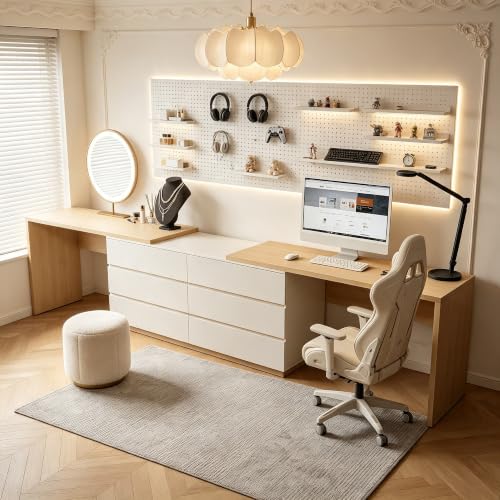
2 Person Dresser: The Complete Guide to Shared Bedroom Storage
Sharing a bedroom doesn't mean compromising on organization. Discover how a well-chosen 2 person dresser can give each person their own space, reduce clutter, and bring harmony to your shared sanctuary.
Explore Buying FactorsWhy a 2 person dresser matters: When two people share a bedroom, storage disputes are one of the most common sources of daily friction. A single narrow dresser rarely provides enough room for two wardrobes, leading to overflow, clutter, and the familiar frustration of digging through someone else's folded shirts.
A purposefully chosen 2 person dresser solves this by offering wider frames, divided storage zones, and drawer configurations that give each person dedicated space. Whether you're furnishing a master bedroom, a guest room, or a shared apartment, this guide will help you understand the options, measure your space correctly, and choose a dresser that keeps both sides happy.
What Exactly Is a 2 Person Dresser?
A 2 person dresser is any dresser intentionally designed or sized to accommodate the belongings of two people. Unlike a standard single-user dresser, which might measure 30 to 48 inches wide, a 2 person dresser typically starts at 60 inches and can extend well beyond 72 inches for extra-wide models. The extra width translates directly into more drawers, deeper storage, and the ability to create distinct zones for each person.
Beyond sheer size, 2 person dressers often incorporate smart design features such as dual-sided drawer access, split compartments, and labeled or color-coded storage sections. Some couples opt for two separate tall dressers placed side by side, while others prefer a single wide unit that anchors the room. Both approaches work—the right choice depends on your floor plan, wardrobe volume, and personal habits.
Key insight: The most successful 2 person dresser setups are not just about width—they are about intentional division. A 60-inch dresser with clearly assigned drawers often outperforms a 72-inch dresser with no organizational plan. Before you shop, map out what each person needs to store and how often they access it.
Types of 2 Person Dressers
Not all shared dressers look or function the same. Understanding the main categories helps you narrow down which style fits your bedroom layout and storage habits.
Wide Double Dresser
The classic 2 person dresser. Typically 60 to 72 inches wide with six to nine drawers arranged in two or three columns. Each person claims one side, creating a natural divide. Ideal for bedrooms with ample wall space and couples who prefer a single coordinated furniture piece.
Dual-Sided Dresser
Designed with drawers that open from both sides or with mirrored storage zones. This layout works well when the dresser sits in the middle of the room or as a room divider. Each person has independent access without crossing into the other's space.
Two Tall Dressers Side by Side
Instead of one wide unit, two tall dressers side by side create a striking symmetrical look. Each person gets a full vertical column of drawers. This setup is excellent for narrow rooms where a single wide dresser would block walkways.
Dresser and Chest Combination
A wide dresser paired with a separate chest of drawers offers maximum flexibility. One person uses the wide dresser for folded clothing, while the other uses the chest for accessories, intimates, and overflow. This combination works well in larger bedrooms.
Key Buying Factors for a 2 Person Dresser
Before you commit to a specific model, evaluate these critical factors. Getting them right the first time prevents the hassle of returns and the disappointment of a dresser that doesn't quite fit your shared life.
1. Width and Room Fit
Measure your available wall space carefully. A 2 person dresser needs breathing room—at least 24 inches of clearance in front for drawers to open fully and for you to stand comfortably. If your bedroom is tight, consider a 48-inch dresser as a compact starting point, or explore 60-inch wide dressers for a more generous shared layout. For couples with extensive wardrobes, a 72-inch dresser provides ample room for two distinct storage zones.
2. Drawer Configuration and Count
The number and size of drawers matter as much as the overall width. A 2 person dresser should offer a mix of drawer depths: deep drawers for bulky sweaters and jeans, medium drawers for folded shirts and loungewear, and shallow drawers for socks, undergarments, and accessories. A 6-drawer dresser is the minimum for two people, while 8-drawer and 9-drawer dressers offer more flexibility for assigning dedicated drawers to each person.
3. Material and Build Quality
Shared dressers endure twice the daily wear. Look for solid wood construction or high-grade engineered wood with reinforced joinery. Drawer slides should be smooth and rated for frequent use—metal ball-bearing slides outperform basic roller slides over time. For a long-term investment that withstands daily opening and closing by two people, prioritize solid wood dressers with dovetail joints.
4. Organization Features
Built-in dividers, felt-lined top drawers, and adjustable shelves add practical value for shared use. Some 2 person dressers include removable jewelry trays or divided compartments that help each person keep small items separate. If the dresser you choose lacks these features, consider aftermarket drawer dividers to create instant zones.
5. Style and Finish
The dresser should complement your bedroom's existing aesthetic. A modern dresser with clean lines suits contemporary spaces, while a farmhouse dresser with distressed details warms up rustic or cottage-style rooms. Neutral finishes like white, gray, or natural wood offer the most versatility and appeal to both partners regardless of individual taste.
2 Person Dresser Configurations Compared
Use this quick-reference table to compare the most common shared dresser setups at a glance. Each configuration is rated by its typical market positioning and best-use scenario.
| Configuration | Typical Width | Drawer Count | Market Tier | Best For |
|---|---|---|---|---|
| Compact Double Dresser | 48–54 inches | 6–7 drawers | Entry-level to mid-range | Small bedrooms, minimal wardrobes, guest rooms |
| Standard Wide Dresser | 60–66 inches | 7–9 drawers | Mid-range | Most couples, master bedrooms, balanced storage needs |
| Extra-Wide Dresser | 72+ inches | 9–12 drawers | Premium | Couples with extensive wardrobes, large bedrooms |
| Dual Tall Dressers | 2 × 30–36 inches | 10–12 drawers total | Mid-range to premium | Narrow rooms, separate storage preferences, visual symmetry |
| Dresser + Chest Combo | Varies (wide + tall) | 10–14 drawers total | Premium to luxury | Larger bedrooms, distinct clothing categories, maximum flexibility |
How to Organize a Shared Dresser for Two People
Buying the right dresser is only half the battle. The other half is organizing it so both people can find what they need without disruption. These proven strategies help maintain order in a shared dresser.
- Divide by column, not by drawer. Assign each person a vertical column of drawers rather than alternating drawers. This creates a clear visual and physical boundary, reducing the chance of one person's items spilling into the other's space.
- Use the top drawers for personal essentials. The top row of drawers is the most accessible. Assign one top drawer to each person for daily-use items like socks, undergarments, or jewelry. This minimizes reaching and bending for items accessed multiple times a day.
- Color-code or label discreetly. If you prefer a clean aesthetic, use subtle labels on the inside of drawer fronts or color-coded drawer liners. This helps both people remember which drawer belongs to whom without visible clutter.
- Fold with a shared system. Adopt a consistent folding method—such as the KonMari vertical fold—so drawers remain tidy regardless of who opens them. Consistent folding also makes it easier to spot when a drawer needs reorganizing.
- Reserve a shared drawer for communal items. Designate one drawer for items both people use: extra bedding, shared workout clothes, or seasonal accessories. This prevents duplication and keeps shared items in a known location.
- Rotate seasonal clothing together. At the start of each season, both people should swap out seasonal items simultaneously. This keeps the dresser from overflowing and ensures both people have equal access to the storage they need.
Measuring Your Space: A Step-by-Step Guide
Before you finalize your choice, verify that the dresser will fit comfortably in your bedroom and that both people can use it without obstruction. Follow these measurement steps:
Step 1: Wall Width
Measure the uninterrupted wall space where the dresser will sit. Subtract at least 6 inches (3 inches on each side) to allow for baseboards, outlets, or adjacent furniture. The remaining number is your maximum dresser width.
Step 2: Walking Clearance
Measure the distance from the wall to the nearest obstacle (bed, door, or opposite wall). You need at least 24 inches of clearance for drawers to open fully and for a person to stand comfortably. For a 2 person dresser, 30 inches is more comfortable.
Step 3: Drawer Extension
Check the drawer slide type. Standard slides extend about 75% of the drawer depth; full-extension slides extend 100%. Add the extension distance to your clearance calculation to ensure drawers won't hit anything when fully open.
Step 4: Height and Reach
Stand in front of the intended location. The top of the dresser should sit between waist and chest height for comfortable reach. For shared use, choose a height that works for both people—typically 30 to 36 inches for most adults.
Materials and Durability for Shared Use
A 2 person dresser experiences double the daily wear of a single-user unit. Drawers open and close twice as often, surfaces receive twice the traffic, and the frame bears twice the load. Material selection directly impacts how well the dresser holds up over time.
Solid Wood Construction
The gold standard for shared dressers. Oak, maple, walnut, and mahogany offer superior durability, repairability, and long-term structural integrity. Dovetail joints and reinforced corner blocks are hallmarks of quality solid wood construction. A well-built solid wood dresser can last decades, making it a worthwhile long-term investment.
High-Grade Engineered Wood
Quality MDF or plywood with sturdy joinery offers a balanced option for shared use. Look for CARB-compliant materials, thick panels (at least 5/8 inch), and metal-reinforced drawer boxes. While not as repairable as solid wood, high-grade engineered wood dressers provide solid performance within their class.
Metal Dressers
Steel and aluminum dressers are exceptionally durable and easy to clean, making them a practical choice for shared spaces. They resist moisture and pests, and their smooth surfaces won't snag clothing. Metal dressers pair well with industrial and modern aesthetics.
Hardware matters as much as the frame. For shared use, prioritize full-extension ball-bearing drawer slides rated for 75 pounds or more per drawer. Soft-close mechanisms reduce noise and wear, which is especially valuable in a shared bedroom where one person may be getting ready while the other sleeps.