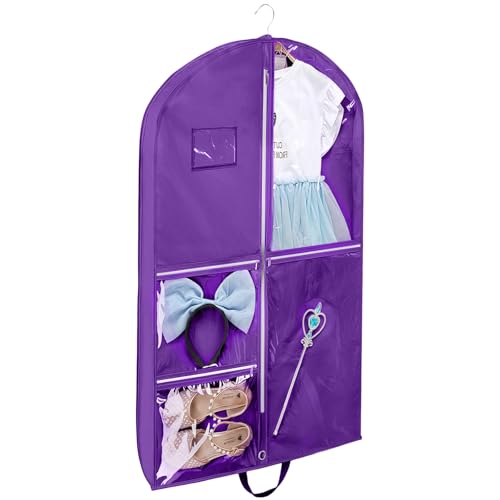
Travel Wardrobes: Portable Storage That Keeps You Organized
Whether you're packing for a long trip, furnishing a rental, or maximizing a small bedroom, a travel wardrobe delivers flexible hanging space without permanent installation. This guide breaks down frame types, materials, capacity, and real-world use cases so you can choose with confidence.
Why travel wardrobes matter: Traditional closets are fixed, heavy, and often unavailable in short-term rentals, dorm rooms, or guest spaces. A travel wardrobe bridges that gap — it assembles in minutes, folds flat for transport, and provides a protected hanging zone for garments that shouldn't be stuffed into a suitcase or a drawer.
Below you'll find a complete breakdown of travel wardrobe categories, a tier-based comparison, a buying checklist, and answers to the questions shoppers ask most before committing.
What Exactly Is a Travel Wardrobe?
A travel wardrobe — sometimes called a portable closet or folding wardrobe — is a freestanding clothing storage unit built around a lightweight frame. Most models combine three elements: a tubular frame (steel, aluminum, or plastic), a fabric or canvas cover with a zippered door, and an internal hanging rail. Many include one or two side shelves for folded items, shoes, or accessories.
Unlike a fixed closet or a heavy tall closet dresser, a travel wardrobe is designed to be disassembled, folded, and carried. That portability is the defining feature — but it also shapes what the unit can and cannot do. Understanding that trade-off is the key to a smart purchase.
The Main Types of Travel Wardrobes
Travel wardrobes fall into three broad categories based on frame construction and intended duty cycle. Each category serves a different buyer, and mixing them up is the most common buying mistake.
Soft-Frame Pop-Up Wardrobes
Lightweight fabric shells over flexible poles or wire frames. They set up in seconds and fold into a carry bag. Best for short trips, guest rooms, and light seasonal storage. Not intended for heavy coats or daily long-term use.
Reinforced Portable Closets
Steel or aluminum tube frames with thicker Oxford-style fabric covers, dual zippers, and a weight-rated hanging rail. These handle everyday use in apartments and dorms and often include side shelves and shoe pockets.
Heavy-Duty Travel Wardrobes
Commercial-grade frames, reinforced joints, and premium fabric with dust and moisture resistance. Built for frequent relocation, hospitality use, or long-term placement as a secondary closet. Some models offer modular shelf-and-rail configurations.
Travel Wardrobe Comparison by Tier
Use this table to match a tier to your actual usage pattern. The right choice depends less on budget category and more on how often the unit will be assembled, loaded, and moved.
| Tier | Frame & Cover | Best For | Durability Notes | Assembly |
|---|---|---|---|---|
| Entry-Level | Flexible poles, thin fabric shell | Occasional travel, guest rooms, light seasonal storage | Light-duty; best kept indoors and loaded moderately | Pop-up, tool-free, seconds |
| Mid-Range | Steel or aluminum tubes, Oxford fabric | Apartments, dorms, rentals, everyday secondary closet | Reinforced joints; handles daily access well | Snap or screw assembly, 10–20 minutes |
| Premium | Commercial-grade frame, heavy fabric | Frequent relocation, hospitality, long-term secondary closet | High weight capacity; dust and moisture resistant | Modular assembly, 20–40 minutes |
Features That Actually Matter
Marketing copy tends to emphasize appearance. In practice, five functional details determine whether a travel wardrobe holds up. Check these before comparing anything else.
1. Frame Material and Joint Quality
Steel tubing with crimped or welded joints outperforms push-fit plastic connectors. If the unit will be assembled and disassembled repeatedly, inspect the connector design — that is where most failures occur. A reinforced frame paired with heavy-duty drawer slides on shelf sections signals a more serious build.
2. Hanging Rail Capacity
The rail carries the most load in any wardrobe. Look for a rail rated for the garments you actually own — heavy winter coats demand far more than shirts and dresses. Mid-range and premium units typically publish a weight rating; entry-level models often do not, which is itself a signal.
3. Cover Fabric and Zipper Quality
Oxford-weave fabric resists tearing better than thin non-woven covers. Dual zippers with metal pulls outlast single plastic zippers, especially on units that open and close daily. A full-length zippered door keeps dust out — a meaningful advantage in storage rooms and garages.
4. Shelf and Pocket Configuration
Side shelves transform a hanging-only unit into a mixed storage solution. If you need folded clothing space alongside hanging space, look for models with two or more shelves. Some designs integrate shoe pockets on the interior door, which is useful in tight entryways.
5. Portability Details
Carry handles, a storage bag, and a compact folded footprint separate true travel wardrobes from stationary portable closets. If the unit will live in a vehicle or move between locations, verify the folded dimensions before ordering.
Where Travel Wardrobes Work Best
These units shine in specific scenarios. Matching your situation to the list below will confirm whether a travel wardrobe is the right solution — or whether a different storage piece would serve you better.
- Short-term rentals and furnished apartments without adequate closet space
- Dorm rooms and student housing where permanent fixtures are not allowed
- Guest bedrooms that need occasional hanging storage
- Extended travel and work assignments requiring a portable closet
- Small bedrooms where a fixed wardrobe would not fit
- Seasonal clothing rotation and off-season garment storage
- Garage, basement, or attic overflow storage with dust protection
- Pop-up retail, craft fairs, and trade show displays
If your need is permanent, high-capacity bedroom storage rather than portability, a tall dresser or a tall and wide dresser for the bedroom will generally provide better durability and organization. Travel wardrobes are a complement to, not a replacement for, dedicated bedroom furniture.
Pre-Purchase Checklist
Run through this list before you commit. Each item corresponds to a real failure point reported by buyers of portable wardrobes.
- Measure your space twice. Confirm the assembled footprint and the height clearance, including any ceiling fixtures.
- Check the folded dimensions. If portability matters, verify the unit fits your vehicle or storage locker when packed.
- Confirm the rail weight rating. Compare it against the total weight of the garments you plan to hang.
- Inspect connector design. Metal-to-metal joints outlast push-fit plastic connectors on units that are reassembled often.
- Verify zipper and fabric specs. Oxford fabric and dual metal zippers are the durability baseline for daily use.
- Decide on shelf configuration. Hanging-only units waste space if you also need folded storage.
- Check stability features. Wall-anchoring straps or weighted bases matter in households with children or pets.
- Review assembly requirements. Tool-free pop-up models suit frequent travel; screw-assembled frames suit semi-permanent placement.
Travel Wardrobes in Small Spaces
In compact bedrooms, a travel wardrobe can function as a narrow secondary closet along a wall that would not accommodate a full-depth wardrobe. Pair it with slim storage pieces to build a complete organization system without overwhelming the room.
Useful companions for a small-space setup include a tall narrow dresser with drawers for folded items, a thin chest of drawers for the bedroom for accessories, and under-bed storage for off-season clothing. Together these create layered storage that keeps the floor clear and the room functional.
If the space is particularly tight, a tall skinny dresser for the closet or a tall narrow dresser for small spaces can absorb the folded-clothing load, leaving the travel wardrobe dedicated to hanging garments.
Durability and Care
A travel wardrobe is a lightweight structure by design, so care extends its service life considerably. Distribute weight evenly across the rail rather than clustering heavy items at one end. Avoid overloading side shelves beyond their stated capacity. When disassembling, keep the frame parts and connectors together in the included bag — lost connectors are the most common reason portable wardrobes get retired early.
For fabric covers, wipe with a damp cloth and allow to air-dry fully before folding. Store the unit in a dry location; prolonged dampness degrades both fabric and frame coatings. Units placed in garages or basements benefit from a moisture-absorbing packet inside the cover.
Frequently Asked Questions
What is a travel wardrobe?
A travel wardrobe is a portable, lightweight clothing storage unit designed for easy transport and temporary setup. It typically features a soft or semi-rigid frame, zippered canvas or fabric cover, and a hanging rail with optional shelves, making it ideal for travel, small apartments, dorms, and guest rooms.
How do I choose the right travel wardrobe?
Consider your primary use case: frequent travel demands lightweight, foldable models with carry handles; long-term home use benefits from reinforced frames and heavier fabric covers. Check assembly requirements, rail weight capacity, shelf configuration, and whether the unit includes a protective cover.
Are travel wardrobes sturdy enough for everyday use?
Entry-level travel wardrobes are best for light, temporary use. Mid-range and premium models with steel or aluminum frames, reinforced joints, and heavy-duty zippers can handle daily use. For permanent bedroom storage, consider a solid wood wardrobe instead.
Can a travel wardrobe replace a traditional closet?
A travel wardrobe can serve as a temporary or secondary closet, particularly in small spaces, rentals, or dorms. For a full-time primary closet, a permanent wardrobe or a tall closet dresser offers better durability, weight capacity, and dust protection.