Small Plastic Chest of Drawers: Complete Buying Guide
Lightweight, stackable, and easy to move — learn how to choose a compact plastic drawer unit that actually lasts and keeps your space organized.
EXPLORE THE GUIDEWhy this guide matters: A small plastic chest of drawers is one of the most practical storage pieces you can add to a bedroom, closet, or home office. But not all plastic drawer units are built the same. This guide explains materials, drawer glide systems, safety anchoring, and real-world placement so you can choose a unit that fits your space and holds up over time.
What Is a Small Plastic Chest of Drawers?
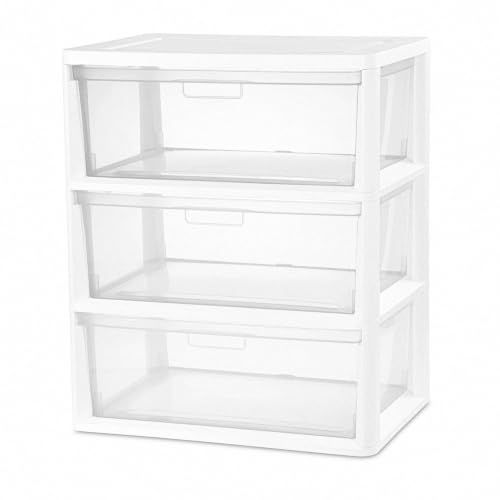
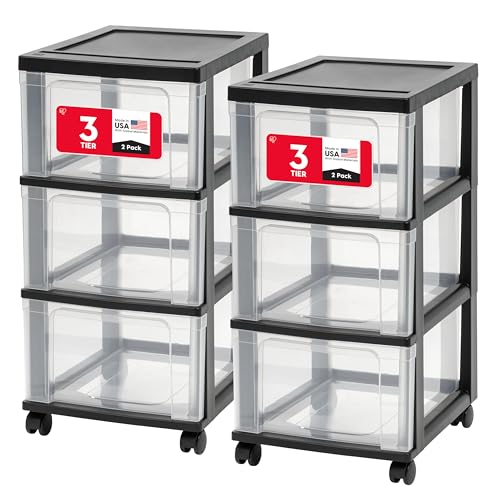
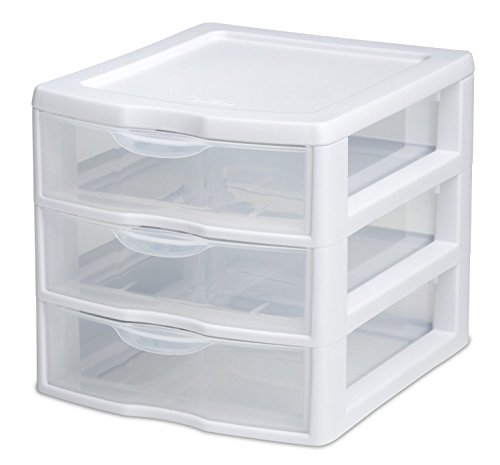
A small plastic chest of drawers is a compact storage unit built from molded polymer — usually polypropylene or high-impact polystyrene — with two to five drawers in a narrow or stackable frame. Unlike wooden furniture, these units are lightweight enough for one person to move, resist moisture, and typically assemble without tools. Their footprint usually ranges from roughly 12 to 24 inches in width, which makes them a realistic option for tight bedrooms, dorm rooms, rental apartments, and walk-in closets.
The category has matured considerably. Early plastic drawer units were flimsy and prone to cracking at the drawer rails. Modern mid-range and premium models use thicker wall sections, reinforced corners, and smoother glide channels. Some high-end tier units even pair plastic drawer bodies with metal slides for a feel that approaches traditional furniture. If you are weighing plastic against other compact options, our guide to the small chest of drawers category covers the full range of materials and form factors side by side.
Plastic chests are especially useful in spaces where humidity or temperature swings are a concern — bathrooms, laundry rooms, and basements — because the material will not warp or swell the way particleboard can. They are also a common choice for renters who want storage they can disassemble and move without leaving damage.
Plastic Drawer Unit Tiers Compared
| Tier | Construction | Glide System | Best For |
|---|---|---|---|
| Entry-level | Thin molded polymer, minimal reinforcement | Plastic-on-plastic channel | Light items: accessories, craft supplies, paperwork |
| Mid-range | Reinforced polypropylene, ribbed base | Molded glide strips or nylon rollers | Folded clothing, closet overflow, dorm storage |
| Premium | Thick walls, corner gussets, anti-tip strap included | Smooth nylon or partial metal slides | Daily-use bedroom storage, rental apartments |
| High-end tier | Plastic body with metal slide housing, commercial-grade rigidity | Full metal ball-bearing slides | Frequent daily use, heavier clothing loads, office files |
A useful rule: mid-range models usually offer a noticeably smoother glide than entry-level units, and the jump from premium to high-end tier is mostly about slide hardware and load capacity rather than aesthetics.
Where a Small Plastic Chest of Drawers Works Best
Bedroom and Small Bedrooms
In a compact bedroom, a plastic chest can serve as secondary storage for socks, activewear, and sleepwear while a larger wooden dresser handles the main wardrobe. Place it beside the bed as a stand-in nightstand, or tuck it into an unused corner. If you are furnishing a smaller room from scratch, our guide to the small dresser for small bedroom covers layout and sizing in more depth.
Closets
Closets are arguably the best home for a plastic drawer unit. A narrow chest can sit under hanging clothes or on a shelf, and stackable designs extend vertically without consuming floor space. For units specifically sized to fit inside a closet, see the small chest of drawers for closet comparison. Keep in mind that closet floors are often uneven; a unit with adjustable feet or a flat, rigid base will sit more stably.
Home Office and Living Room
Plastic drawers handle office supplies, cables, and paperwork well, provided you do not overload them. A rolling plastic cabinet can double as a printer stand or a mobile file unit. Our guide to the small rolling cabinet with drawers covers caster quality and load limits if mobility matters to you.
Bathroom and Laundry Areas
Moisture resistance is the plastic chest's strong suit. A compact unit in a bathroom can hold towels, toiletries, and cleaning supplies without the swelling risk that comes with engineered wood. Pair it with a wall-mounted shelf to keep frequently used items off the counter.
Organization Tips for Plastic Drawer Units
- Load from the bottom up. Place heavier items in the lower drawers and light items in the top drawers to reduce tip-over risk and extend the life of the glide channels.
- Use drawer dividers. Plastic drawers are often wider than they are tall, which makes small items slide around. Adjustable dividers keep socks, accessories, and office supplies in place. Our stackable dresser drawer organizer guide covers sizing options.
- Label the front of each drawer. Removable labels help household members find items quickly and make seasonal rotation easier.
- Keep one drawer for overflow. A dedicated overflow drawer prevents the unit from becoming a catch-all and makes weekly tidying faster.
- Check the drawer stops. Some plastic units allow drawers to pull completely free; confirm the design matches how you intend to use the unit, especially in a child's room.
- Rotate seasonal clothing. Use the top drawer for out-of-season items and the lower drawers for current wardrobe pieces to reduce daily handling.
Plastic vs. Wood vs. Metal: Which Compact Chest Fits Your Space?
Plastic wins on portability, moisture resistance, and tool-free assembly. Wood — particularly solid wood — wins on longevity, appearance, and load capacity. Metal wins on durability and pest resistance, though it can dent and feels colder in a bedroom setting. If your priority is a piece that will last for decades and look like furniture, a solid wood small chest of drawers is the more durable long-term investment. If your priority is flexible, movable storage that can shift between rooms without help, plastic is the practical choice.
Many households use both: a solid wood dresser as the primary bedroom piece and a plastic chest for closet overflow, craft supplies, or a child's room. That split approach often delivers the best balance of durability and flexibility.
Safety Checklist Before You Buy
- Confirm the unit includes or accepts an anti-tip wall strap.
- Check the stated per-drawer load rating and stay within it.
- Verify drawer stops are present so drawers cannot slide out accidentally.
- Assemble on a flat surface and tighten all snap or screw connections fully.
- Keep the unit away from heat sources and direct sunlight, which can degrade plastic over time.
- In homes with toddlers, anchor every unit over 30 inches tall and avoid stacking mismatched models.
Frequently Asked Questions
Are small plastic chest of drawers durable enough for everyday use?
Yes. Mid-range and premium plastic drawer units use reinforced polymer construction that holds up well to daily use. Entry-level models are lighter and better suited for light-duty storage like craft supplies or seasonal items, while high-end tier units offer thicker walls and metal glide systems for heavier clothing storage.
Where can I place a small plastic chest of drawers?
A small plastic chest of drawers works in bedrooms, closets, offices, dorm rooms, laundry areas, and craft spaces. Its compact footprint makes it a practical choice for apartments and small bedrooms, and many units can sit inside a closet to extend storage vertically.
Do plastic drawer units require assembly?
Most plastic chests assemble with snap-together panels and require no tools. Some mid-range and premium models use screw-in reinforcement for added rigidity. Assembly typically takes under 20 minutes, and many units ship with clear illustrated instructions.
How do I keep a plastic chest of drawers from tipping over?
Anchor the unit to the wall with the anti-tip strap included with most mid-range and premium models. Avoid overloading upper drawers, and place heavier items in the lower drawers. In households with children, always secure tall or lightweight plastic units to wall studs.
Are plastic drawers suitable for a closet?
Yes. A narrow or stackable plastic chest is a common closet solution because it adds folded-clothing storage without permanent installation. Choose a depth that matches your closet shelf depth, and confirm the unit fits under hanging clothes if you plan to place it below the rod.
Final Verdict
A small plastic chest of drawers is a smart, flexible storage solution when you match the tier to the job. Entry-level units suit light items and temporary setups. Mid-range models hit the sweet spot for folded clothing and closet overflow. Premium and high-end tier units are worth considering if the chest will be opened daily or holds heavier loads. Whichever tier you choose, prioritize reinforced construction, a smooth glide system, and a proper wall anchor — those three details separate a plastic drawer unit that lasts from one that ends up in the recycling bin within two years.
Explore our full range of compact storage guides, including the small dresser overview and the small chest comparison, to find the configuration that fits your room.