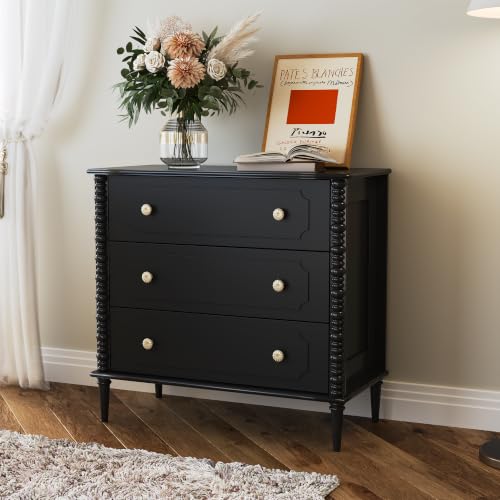
Small Antique Dresser: A Complete Buyer's Guide
Compact, characterful, and built to last — a small antique dresser brings warmth and storage to tight spaces. Learn the styles, dimensions, materials, and inspection steps that separate a worthwhile piece from a costly mistake.
Why shoppers research small antique dressers first: A compact vintage dresser occupies less floor area than a standard model but carries more history, texture, and craft than most mass-produced alternatives. This guide walks you through the practical questions — how small is "small," which eras and woods to prioritize, what condition issues to flag, and how to place the piece safely — so you can move from research to a confident decision.
What Counts as a Small Antique Dresser?
Antique dressers were built for the rooms of their era, and those rooms were often smaller than modern bedrooms. As a result, many genuine antique pieces naturally fall into the compact range. For buying purposes, a small antique dresser is generally one that measures:
| Dimension | Compact Range | Why It Matters |
|---|---|---|
| Width | Under 40 inches | Fits between doorways and along short walls |
| Height | 30–36 inches | Keeps the top surface reachable and visually light |
| Depth | 16–20 inches | Preserves walking clearance in narrow rooms |
| Drawer count | 3–5 drawers | Enough capacity without bulk |
Pieces in this range work especially well in guest rooms, hallway landings, and apartments. If your room is particularly tight, our guide to small antique dressers for sale covers additional buying channels, and the broader small antique chest of drawers comparison explains how drawer configuration changes usable capacity.
Antique Dresser Styles That Suit Small Spaces
Not every antique style scales down gracefully. The following movements produced compact dressers that remain practical today:
Victorian and Edwardian Chests
These pieces often feature four to five drawers, turned legs, and carved pulls. Many were built as bedroom furniture for modest homes, so compact examples are common. Look for tight dovetails and original brass hardware; replacements are acceptable if they match the period.
Arts and Crafts Dressers
Clean lines, exposed joinery, and oak construction define this style. The absence of heavy ornament makes Arts and Crafts pieces feel smaller than their dimensions suggest, which is ideal for narrow rooms.
Shaker-Inspired Chests
Shaker design prizes utility and proportion. A small Shaker-style dresser typically offers tapered legs, wooden knobs, and a flat top that doubles as a display surface. Our Shaker dresser guide explores how to identify authentic proportions.
French Provincial and Cottage Pieces
Curved aprons and painted finishes give these dressers a romantic feel. They suit bedrooms with soft palettes and often come in narrow widths. Pairing a painted antique with a modern room is a reliable styling shortcut — see our shabby chic dresser ideas for finish inspiration.
Mid-Century Compact Dressers
Though technically vintage rather than antique, mid-century pieces often deliver the same compact footprint with splayed legs and clean drawer fronts. Browse our retro dresser collection if you want period character with lighter proportions.
Wood and Construction: What to Look For
Antique furniture rewards buyers who inspect closely. The material and joinery determine whether a small dresser will survive another generation or become a repair project.
Solid Wood vs. Veneer
Solid wood pieces show continuous grain on drawer sides and the underside of the top. Veneered antiques are not inferior — high-quality veneer over a stable secondary wood was a mark of craftsmanship — but lifting or bubbling veneer is a repair signal. Check the edges of the top and the drawer fronts for separation.
Joinery Quality
Dovetail joints on drawer boxes indicate careful construction. Machine-cut dovetails are common in later antiques and are perfectly serviceable. Avoid drawers fastened only with nails or staples unless the piece is being treated as a decorative project.
Hardware and Glides
Original brass pulls add character but may be worn. Wood-on-wood drawer runners are traditional and can be waxed for smooth operation. If the glides have been replaced with modern metal slides, confirm the installation is clean and does not compromise the drawer box.
For a deeper comparison of construction tiers, our small antique chest of drawers guide breaks down what distinguishes entry-level antiques from high-end pieces.
Antique Dresser Quality Tiers
Because antique condition varies enormously, it helps to classify pieces by build and preservation rather than by any single attribute. The descriptors below are relative positions within the antique market, not absolute grades.
Entry-Level Tier
Later reproductions or heavily refinished pieces. Functional and charming, but often with replaced hardware, simplified joinery, or a modern finish. Best for casual placement and first-time antique buyers.
Mid-Range Tier
Genuine period pieces with original structure and some cosmetic wear. Dovetailed drawers, solid secondary woods, and intact veneer are typical. A balanced choice for everyday use.
Top-Tier
Well-preserved antiques with original finish, matching hardware, and tight joinery. These pieces hold their character and structural integrity and justify careful restoration when needed.
Within each tier, the practical differences show up in drawer smoothness, joint tightness, and finish stability. A mid-range piece with sound joinery usually outperforms a top-tier piece with hidden structural repairs.
Inspection Checklist Before You Buy
Bring this list to every viewing
- Open every drawer fully. They should glide without binding and close flush.
- Check drawer stops. Drawers should not pull out completely unless designed to.
- Inspect joints. Look for loose dovetails, split drawer sides, and separated glue lines.
- Test stability. Gently press the top corners; the piece should not rock or flex.
- Look for woodworm. Small exit holes and fine dust indicate active or past infestation.
- Smell the interior. Musty odors suggest damp storage and possible mold.
- Check the finish. Flaking paint or varnish may conceal repairs; test a small area if refinishing is planned.
- Confirm hardware function. Pulls should be secure and aligned with drawer fronts.
- Measure doorways. Verify the dresser fits through your entry and into the intended room.
If you are buying remotely, ask for photos of drawer interiors, the back panel, and the underside. Our guide to second-hand dressers covers how to structure those requests and what red flags to watch for in listings.
Placement, Safety, and Care
A compact antique dresser is easiest to place when you plan the room around it. Measure wall length, door swing, and walking clearance before committing. In bedrooms, a small dresser can serve as a nightstand alternative or sit beneath a window if height allows.
Tip-Over Prevention
Older dressers were not designed with modern anti-tip standards. Anchor the piece to a wall stud using a furniture strap, especially in homes with children or pets. Keep heavy items in lower drawers and avoid overloading upper drawers.
Finish Care
Dust with a dry cloth and avoid silicone-based polishes that can build up on antique finishes. Wax occasionally if the surface is oiled or waxed. Keep the dresser out of direct sunlight to prevent fading and veneer drying.
When to Refinish
Refinishing can reduce antique character and, in some cases, resale interest. Limit intervention to cleaning, waxing, and stabilizing loose joints. If paint is flaking or a finish is failing, consult a conservator before sanding. Our sanding and repainting furniture guide explains when restoration is appropriate.
When a Small Antique Dresser Is the Right Fit
Antique pieces are not the only compact option. If your priority is maximum storage in minimal floor area, modern slim dressers may be more efficient. Our guide to shallow dressers for small bedrooms covers depth-focused alternatives, and skinny dressers for small spaces explores narrow-width designs.
Where an antique wins is in character, material quality, and repairability. A well-built small antique dresser can be re-glued, re-waxed, and re-used for decades, which aligns with long-term furnishing decisions. If you are also considering a coordinated set, our small 4 drawer dresser guide compares drawer layouts across compact styles.
Frequently Asked Questions
What size counts as a small antique dresser?
A small antique dresser typically measures under 40 inches wide, around 30 to 36 inches tall, and 16 to 20 inches deep. These compact dimensions suit narrow bedrooms, hallways, and apartment living where full-size dressers would overwhelm the space.
How can I tell if an antique dresser is solid wood?
Check the drawer sides and the underside of the top. Solid wood shows continuous grain across the surface, while veneered pieces reveal a thin top layer over a secondary wood. Dovetail joints, weight, and patina are additional indicators of genuine solid construction.
Are antique dressers safe for nursery use?
Antique dressers can work in a nursery only if they pass a stability check and are anchored to the wall. Older pieces may lack tip-over restraints, so add an anti-tip strap, inspect drawer stops, and verify that the finish is intact and free of lead-based paint.
What should I inspect before buying a second-hand antique dresser?
Inspect drawer glide smoothness, joint tightness, veneer lifting, water rings, and any signs of woodworm. Open and close every drawer, check for musty odors, and confirm that hardware is original or functionally replaced. Structural repairs should be quoted before purchase.