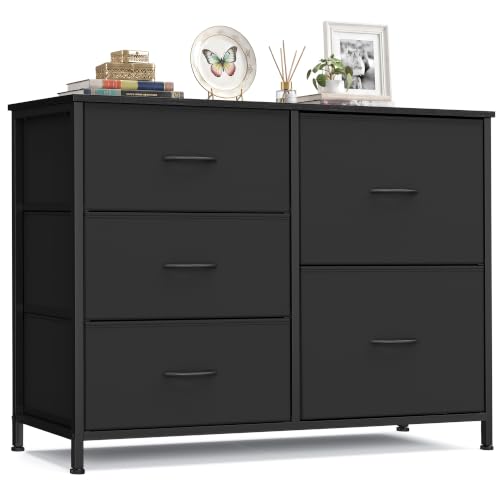
Secretary Dresser: The Smart Blend of Storage and Workspace
Discover how a secretary dresser combines bedroom storage with a hidden desk. Learn about styles, materials, sizing, and organization so you can choose the right piece with confidence.
EXPLORE SECRETARY DRESSERSWhy a secretary dresser? If you live in a smaller home or apartment, a secretary dresser is one of the most space-efficient furniture investments you can make. It gives you a full dresser for clothing plus a drop-down desktop for writing, admin work, or creative projects — without dedicating an entire room to a home office.
What Exactly Is a Secretary Dresser?
A secretary dresser is a hybrid furniture piece that pairs the drawer storage of a traditional dresser with the fold-down desktop and internal compartments of a secretary desk. The signature feature is a hinged front panel — usually the top drawer front — that drops down to create a writing surface. Behind that panel, you typically find small cubbies, pigeonholes, and tiny drawers designed to hold stationery, pens, bills, and paperwork.
Unlike a standard room dresser that only stores clothing, a secretary dresser serves double duty. In a bedroom, it holds folded clothes and linens in the lower drawers while the upper section conceals a compact workspace. In a living area or hallway, it can function as a correspondence station or a stylish place to sort mail.
The concept dates back to the 18th century, when secretaries were essential pieces in wealthy households for writing letters and managing household accounts. Today's versions range from antique reproductions to sleek modern interpretations, making them accessible for a wide range of interiors and organizational needs.
Types and Styles of Secretary Dressers
Secretary dressers come in several configurations, and the right one depends on your storage priorities and the room where the piece will live.
Drop-Front Secretary Dresser
The most common style, featuring a hinged front panel that folds down to create a writing surface. The interior typically includes pigeonholes and small drawers. This is the ideal choice for someone who needs occasional workspace without sacrificing full dresser capacity. If you're comparing options, a slab dresser with a drop-front top offers a clean, modern take on this classic.
Secretary Chest with Hutch
Some designs incorporate a small upper hutch or shelving unit above the drop-down desk, providing additional display or storage space. These work well in rooms with higher ceilings or where you want a more vertical storage footprint.
Antique and Vintage Secretary Dressers
Antique secretary dressers often feature ornate woodwork, brass hardware, and intricate inlay. They are prized for their craftsmanship and character. If you appreciate vintage charm, explore the second-hand dresser market for authentic pieces that add history to a room.
Modern and Contemporary Secretary Dressers
Contemporary versions simplify the form with clean lines, minimalist hardware, and integrated cable management. These suit modern and Scandinavian interiors. A Scandinavian dresser with a fold-out desk function is a particularly practical choice for compact bedrooms.
Secretary Dresser with Mirror
Some models include an attached or vanity-style mirror above the drop-front. These pieces work well in bedrooms where the dresser also serves as a grooming station.
Materials and Construction Quality
The materials used in a secretary dresser directly affect its durability, visual appeal, and how well the drop-front mechanism holds up over years of use.
- Solid wood (oak, walnut, mahogany, pine): The most durable option. Solid wood frames resist warping and hold hardware securely. Look for dovetail joinery on drawers — it is a strong indicator of quality construction.
- Engineered wood with veneer: A more accessible entry into the category. Quality veneers can look indistinguishable from solid wood, but the long-term durability of the drop-front hinge may be lower on entry-level pieces.
- Metal hardware: Premium models use solid brass or heavy-duty steel hinges and drawer glides. Check that the drop-front hinge has a safety catch or support chain to prevent sudden drops.
- Finishes: A well-applied finish protects against moisture and wear. Painted finishes hide minor imperfections; natural wood finishes showcase grain and require periodic care.
For a classic look, an oak dresser with a secretary top is a long-term investment that ages gracefully. If you prefer a painted finish, a white dresser in a secretary style can brighten a small room.
Sizing and Space Planning
Measuring your space before buying a secretary dresser is essential — especially the clearance in front of the unit when the desktop is open.
| Category | Typical Width | Best For |
|---|---|---|
| Compact / Apartment | 30–36 inches | Small bedrooms, studio apartments, hallways |
| Standard | 38–48 inches | Primary bedrooms, guest rooms, home offices |
| Large / Statement | 50–64 inches | Spacious bedrooms, dedicated home offices, living areas |
When the drop-front is open, you need roughly 24–30 inches of clear floor space in front of the unit so you can sit and work comfortably. Also account for drawer extension — full-extension glides require more clearance than standard glides. If your room is tight, a shallow dresser with a secretary top can be a smart compromise.
How to Organize and Use a Secretary Dresser
A secretary dresser rewards intentional organization. The hidden compartments are an opportunity — or a trap for clutter if not managed well.
- Lower drawers: Use for folded clothing, linens, or off-season items. Drawer dividers keep things tidy. For more ideas, see our guide to drawer organization ideas.
- Drop-front interior: Assign specific compartments to categories — one for stationery, one for bills, one for electronics accessories. Small trays and dividers prevent chaos.
- Cable management: If you use the desktop for a laptop or charging station, route cables through a grommet or along the back edge to keep the surface clear.
- Seasonal rotation: Use the top drawers for items you reach for daily and the bottom drawers for seasonal or occasional-use items.
- Desktop discipline: The fold-down surface should be cleared at the end of each work session so the piece can close and revert to dresser mode. A small basket inside the cabinet stores loose items quickly.
For broader strategies, our dresser organization guide covers folding techniques, drawer mapping, and seasonal rotation in detail.
Who Should Buy a Secretary Dresser?
A secretary dresser is an especially strong fit for:
- Apartment dwellers who need a workspace but cannot dedicate a room to an office.
- Remote workers who want to close the laptop and hide the workday at 5 p.m.
- Small bedroom owners who need both clothing storage and a writing surface in one footprint.
- Collectors of antiques who appreciate the historical character of a traditional secretary.
- Anyone who values concealed storage over open shelving — the drop-front hides paperwork and desk clutter behind a clean facade.
If your primary need is pure clothing volume and you already have a dedicated desk, a standard tall dresser or wide dresser may serve you better. The secretary dresser shines when space is limited and dual function is required.
Buying Checklist: What to Verify Before You Commit
- Hinge quality: Test the drop-front hinge. It should open smoothly and hold at 90 degrees without wobbling. Support chains or torsion hinges are preferred over simple hinges.
- Drawer glides: Full-extension, ball-bearing glides are a hallmark of mid-range and premium construction. Entry-level models may use simpler slides — check that drawers open without binding.
- Joinery: Dovetail joints on drawer boxes signal durability. Stapled or glued joints are common on entry-level pieces but may loosen over time.
- Interior configuration: Count the pigeonholes and small drawers. Make sure the layout matches what you need to store — some interiors are designed for letter-size paper, others for smaller items.
- Finish and hardware: Check that knobs and pulls are securely attached and comfortable to use. Solid metal hardware outlasts plastic.
- Stability: A secretary dresser can be top-heavy when the desktop is open. Anti-tip straps are essential, especially in homes with children.
- Assembly: Some models ship fully assembled; others require significant assembly. Review the assembly requirements before purchase.
Ready to Find Your Secretary Dresser?
Browse our curated selection of secretary dressers and storage pieces below. Each recommendation is chosen to help you make a confident, informed decision.
VIEW RECOMMENDED OPTIONSFrequently Asked Questions
What is a secretary dresser?
A secretary dresser is a hybrid furniture piece that combines the storage capacity of a dresser with a fold-down desktop and organizational compartments, typically used as a compact home office or writing station.
How much space does a secretary dresser need?
Most secretary dressers require a footprint similar to a standard dresser, roughly 36 to 48 inches wide, but need additional clearance in front for the drop-down desktop when open. Plan for at least 30 inches of open floor space in front of the unit.
Is a secretary dresser suitable for small bedrooms?
Yes, secretary dressers are excellent for small bedrooms because they consolidate two furniture pieces into one. A single unit serves as both a dresser and a workspace, freeing up valuable floor space.
What materials are best for a secretary dresser?
Solid wood such as oak, walnut, and mahogany offers the best durability and longevity. Engineered wood with quality veneers provides a more accessible entry into the category. Premium models often feature dovetail joinery and full-extension drawer glides.
Can a secretary dresser be used as a primary desk?
Yes, for light to moderate use. The drop-front surface is typically suitable for a laptop, writing, and paperwork. However, if you use a large monitor and full keyboard setup daily, a dedicated desk with more surface area and cable management may be more comfortable.