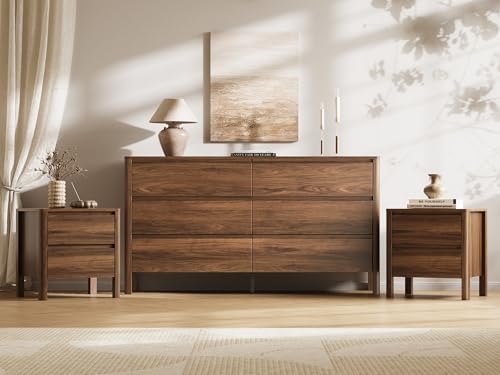
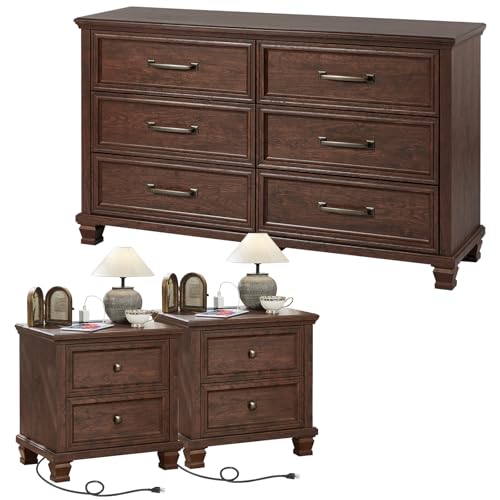
What Qualifies as Real Wood Furniture?
The term "real wood" covers a spectrum of constructions, and understanding the distinctions is essential before you commit to a purchase. At its most basic, real wood refers to furniture made from timber rather than synthetic materials like plastic or metal. However, within that definition, there are meaningful differences that affect durability, appearance, and longevity.
Solid wood means the structural components — drawer fronts, tops, sides, and legs — are cut from a single piece of timber. This is the gold standard for bedroom furniture. Solid wood pieces can be sanded and refinished multiple times, resist warping when properly sealed, and carry natural grain patterns that are impossible to replicate.
Wood veneer consists of a thin layer of real wood applied over an engineered core such as plywood or MDF. While veneered furniture can look beautiful and is often more stable in humid climates, it cannot be refinished as aggressively as solid wood and may delaminate over time if exposed to moisture.
Mixed construction uses solid wood for visible elements like drawer fronts and tops while employing engineered materials for internal structure. This approach can offer a balance of appearance and stability, but buyers should verify exactly which parts are solid.
When browsing listings, look for explicit language such as "solid oak", "kiln-dried hardwood", or "100% solid wood construction". If a product description only says "wood" without qualification, it is likely a veneer or mixed construction. For a deeper look at specific materials, explore our guides on oak dressers and pine dressers.
Comparing Wood Types for Dressers and Nightstands
Each wood species brings distinct characteristics to bedroom furniture. The right choice depends on your style preferences, climate, and how heavily the pieces will be used.
| Wood Type | Best For | Characteristics |
|---|---|---|
| Oak | High-traffic bedrooms, family homes | Dense and durable, prominent grain, excellent wear resistance. Works well in both traditional and modern settings. |
| Walnut | Premium bedrooms, statement pieces | Rich chocolate tones, smooth grain, naturally resistant to decay. A top-tier choice for luxury interiors. |
| Maple | Contemporary and minimalist spaces | Fine, uniform grain, light color, very hard surface. Resists dents and scratches well. |
| Cherry | Traditional and formal bedrooms | Warm reddish-brown tones that deepen with age. Moderately hard, smooth texture, excellent for fine furniture. |
| Pine | Rustic and cottage-style rooms | Softer wood with distinctive knots and grain. Entry-level tier for solid wood, best suited to lighter use. |
| Mahogany | Heirloom-quality furniture | Deep reddish-brown, extremely stable, superb grain. A luxury-tier material that ages gracefully. |
For those drawn to the warmth and character of oak, our oak dresser and nightstand set guide covers matching pairs in detail. If you prefer the clean look of painted finishes over real wood, consider exploring real wood white chest of drawers for a fresh, bright aesthetic.
Construction Details That Signal Quality
Wood species is only part of the story. The way a piece is assembled determines how well it will hold up over years of daily use. Here are the construction features that distinguish professional-grade furniture from entry-level alternatives.
Joinery Methods
Dovetail joinery is the benchmark for drawer construction. Interlocking wedge-shaped pins and tails create a mechanical lock that resists pulling apart — even after decades of opening and closing. Box joints and mortise-and-tenon joints are also strong indicators of quality. Avoid drawers held together primarily by nails, staples, or glue alone.
Drawer Glides and Hardware
Solid wood drawers should run on sturdy glides. Metal ball-bearing slides offer smooth operation and are common in mid-range to premium pieces. Wood-on-wood runners are traditional and can work well when waxed, but they may require more maintenance. Soft-close mechanisms are a hallmark of high-end tier furniture and prevent slamming.
Finishing and Sealing
A properly finished real wood dresser will have a consistent, smooth surface with no rough patches or overspray. Look for water-based or oil-based finishes that penetrate and protect the wood. The back panel and drawer bottoms should also be finished or at least sealed to resist moisture absorption.
Stability Features
Quality dressers include anti-tip hardware for wall anchoring — an essential safety feature, especially in homes with children. Adjustable leveling feet help compensate for uneven floors. Corner blocks and reinforced internal framing add rigidity.
Entry-Level Tier
Solid wood in visible areas, engineered core elsewhere. Basic hardware. Suitable for guest rooms or light use.
Mid-Range Tier
Solid wood construction throughout with dovetail drawers and smooth metal glides. A balanced choice for daily use.
High-End Tier
Premium hardwoods, hand-finished details, soft-close hardware, and heirloom-quality joinery. Built for generations.
Matching Dressers and Nightstands as a Set
A coordinated bedroom set creates visual harmony, but it also simplifies the shopping process. When purchasing a real wood dresser and nightstand together, you can verify that the wood species, finish, and hardware match perfectly — avoiding the subtle color variations that can occur between separate production runs.
Our guide to real wood dressers explores standalone pieces in depth, while the real wood chest of drawers page covers taller storage options. If you are furnishing a nursery, the nursery dressers collection highlights safe, solid wood choices designed for little ones.
For a cohesive bedroom setup, consider how the nightstand height relates to your bed. Ideally, the top of the nightstand should sit level with or slightly below the mattress surface. Dressers used as changing tables should be secured to the wall and paired with a contoured pad.
Care and Maintenance for Longevity
Real wood furniture rewards gentle care with decades of service. Follow these practices to preserve the beauty and integrity of your dresser and nightstand:
- Dust regularly with a soft, lint-free cloth. Avoid abrasive cleaners or silicone-based polishes that can build up and dull the finish.
- Control humidity — aim for 30–50% relative humidity. Extremely dry air can cause cracking, while excessive moisture promotes warping.
- Keep out of direct sunlight to prevent uneven fading. Use curtains or blinds during peak sun hours.
- Address spills immediately with a dry cloth. Blot rather than rub to avoid spreading moisture into the grain.
- Reapply wax or oil annually if your piece has an oiled finish. This nourishes the wood and maintains its protective layer.
- Use coasters and felt pads under lamps, plants, and decorative objects to prevent ring marks and scratches.
Should your piece develop minor scratches or dents over time, solid wood can often be repaired by sanding and refinishing — a significant advantage over veneered alternatives. For those interested in restoration, our refinished dresser and painted dresser with wood top guides offer practical techniques.
Frequently Asked Questions
What is the difference between solid wood and real wood furniture?
Solid wood means every structural component is cut from a single piece of timber. Real wood is a broader term that can include solid wood, wood veneers over engineered cores, and mixed constructions. When shopping, look for terms like "solid oak" or "solid walnut" to confirm the construction.
Which wood type is best for a bedroom dresser?
Oak and maple offer excellent durability and resist daily wear. Walnut provides a premium look with rich grain. Pine is softer and better suited to lighter use or rustic styles. Consider your climate and humidity levels when choosing.
How can I verify real wood construction before purchasing?
Check the product specifications for terms like "solid wood," "kiln-dried hardwood," or "dovetail joinery." Look at drawer interiors and the back panel — solid wood will show continuous grain, while engineered materials often appear uniform. Ask the retailer for a material breakdown if unclear.
Do real wood dressers require special maintenance?
Real wood benefits from occasional dusting with a soft cloth and application of furniture wax or oil every six to twelve months. Avoid direct sunlight and keep humidity stable to prevent cracking or warping.
Can a real wood dresser be painted or refinished?
Yes — solid wood furniture can be sanded down and repainted or restained multiple times. Veneered pieces have limitations because the wood layer is thin. If you plan to customize the color, solid wood offers far more flexibility.