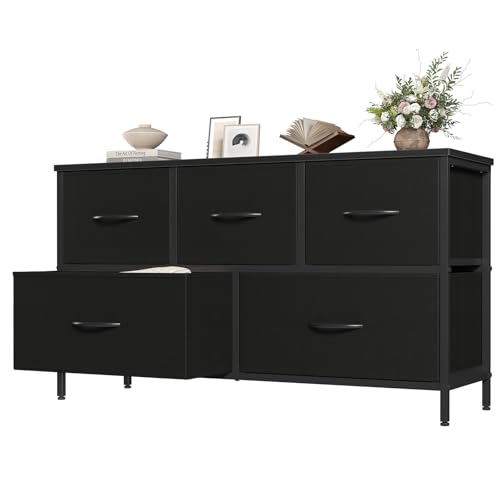
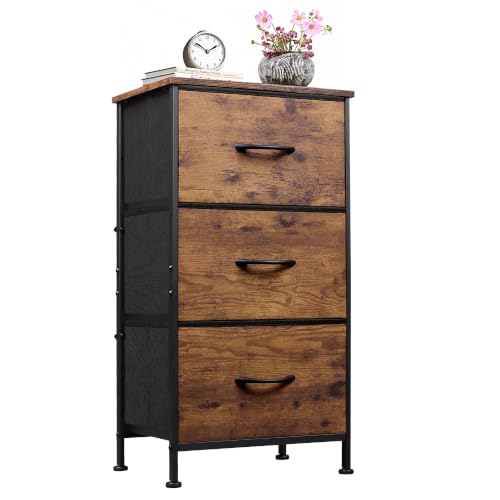
Mini Dressers: The Complete Guide to Compact Bedroom Storage
Quick summary: Mini dressers are compact storage units typically under 40 inches wide with two to four drawers. They are engineered for small bedrooms, dorms, entryways, and closets where full-size dressers simply will not fit. This guide explains sizing, drawer configurations, materials, safety, and how to choose the right mini dresser for your space.
If you live in a studio apartment, a compact bedroom, or a dorm, every square foot counts. A standard dresser can easily overwhelm a small room, leaving little walking space and making the layout feel cramped. Mini dressers solve this problem by delivering practical drawer storage in a footprint that respects tight floor plans.
But not all mini dressers are created equal. Some are sturdy, well-engineered pieces that last for years, while others are flimsy boxes that wobble the moment you open a drawer. This guide walks you through the details that actually matter when you are comparing options: dimensions, drawer glide quality, material grade, tipping risk, and how each configuration fits different rooms.
By the end of this page, you will understand which mini dresser size fits your space, which drawer count matches your storage volume, and which quality tier makes sense for your long-term needs. You will also find a recommended product section further down where you can explore current options.
What Exactly Is a Mini Dresser?
A mini dresser is a scaled-down version of a standard bedroom dresser. While dimensions vary between manufacturers, the category generally includes pieces with the following characteristics:
- Width: Under 40 inches, often between 20 and 36 inches.
- Height: Usually 24 to 36 inches, low enough to sit under a window or beside a bed.
- Depth: Typically 14 to 18 inches, shallower than full-size dressers.
- Drawer count: Two to four drawers is the norm, though some designs stack five narrow drawers vertically.
- Weight: Generally lighter than standard dressers, which makes them easier to move but also increases the importance of anti-tip anchoring.
You may see these pieces labeled in different ways: mini dresser, small dresser, compact dresser, narrow chest, or mini storage chest with drawers. The terminology overlaps significantly, but the core idea is the same: functional drawer storage in a footprint that suits tight spaces.
A common confusion is the difference between a mini dresser and a nightstand. A nightstand typically has one or two shallow drawers and is designed to sit directly beside a bed at a comfortable height. A mini dresser usually offers deeper drawers and more total storage volume. That said, some two-drawer mini dressers work perfectly as oversized nightstands. If you want a dedicated bedside piece instead, explore options in the mini dresser category and compare heights before deciding.
Why Choose a Mini Dresser? Five Practical Benefits
1. Space efficiency in small rooms
The most obvious advantage is the compact footprint. In rooms under 100 square feet, a full-size dresser can consume an entire wall. A mini dresser frees up floor area for circulation while still providing organized drawer storage.
2. Multi-room flexibility
Because mini dressers are lightweight and small, they adapt easily to different rooms. Use one in a nursery for baby clothes, in an entryway for gloves and scarves, in a bathroom for towels, or in a closet for folded items. The same piece can be repurposed as your needs change.
3. Lower tipping risk when anchored
Lighter furniture is generally easier to tip, but the smaller height also means a lower center of gravity in many designs. Crucially, most modern mini dressers ship with anti-tip straps. When properly secured to a wall stud, a mini dresser is a safe choice for households with children or pets.
4. Easier to move and rearrange
Standard dressers can weigh well over 100 pounds and are notoriously difficult to move alone. Mini dressers often weigh 40 to 70 pounds, making them manageable for one person to reposition for cleaning or redesign.
5. Fits tight architectural constraints
Narrow hallways, sloped ceilings, and oddly shaped alcoves often cannot accommodate full-size furniture. A mini dresser can slide into these awkward spots and turn dead space into usable storage.
Mini Dresser Size Guide: Finding the Right Fit
Before comparing specific models, measure your available space carefully. The three dimensions below will narrow your options immediately:
- Available wall width: Leave at least 2 to 3 inches on each side for easier access and a less cramped look.
- Room for drawer extension: Drawers typically pull out 12 to 16 inches. Ensure there is clear floor space in front of the dresser.
- Height relative to windows and outlets: A tall mini dresser may block a low window sill or an electrical outlet you need to access.
| Category | Typical Width | Typical Drawers | Best For |
|---|---|---|---|
| Ultra-compact mini dresser | Under 24 inches | 2 | Dorm rooms, tiny bedrooms, bedside use, narrow hallways |
| Standard mini dresser | 24 to 32 inches | 3 | Small bedrooms, nurseries, entryways |
| Wide mini dresser | 32 to 40 inches | 3 to 4 | Compact apartments, closets, guest rooms |
| Vertical mini chest | 18 to 24 inches | 4 to 5 | Corners, closets, bathrooms (tall and narrow) |
When in doubt, choose the narrower option. A slightly smaller dresser always fits, but an oversized one creates daily frustration. If you have more width available and want a low, horizontal storage profile, you might also consider a low profile dresser as an alternative to a vertical mini dresser.
Drawer Configuration: How Many Drawers Do You Actually Need?
Drawer count is not just about aesthetics; it determines how you organize your belongings. Here is a practical breakdown:
Two-drawer mini dressers
Best for bedside use, entryway catch-all storage, or bathrooms. Two deep drawers can hold folded t-shirts or towels, but they are not ideal for separating many small item categories.
Three-drawer mini dressers
The most versatile configuration. Three drawers allow basic separation: one for tops, one for bottoms, one for accessories. This is the sweet spot for small bedrooms and nurseries.
Four-drawer mini dressers
Offers more organization flexibility in a wider footprint. Four drawers let you dedicate sections to specific clothing types, which matters if you are using the mini dresser as your primary clothing storage.
Vertical mini chests (four to five narrow drawers)
These trade width for height. They suit corners, closets, and narrow alcoves. The trade-off is that narrow drawers limit what you can store; bulky sweaters may not fit well.
For drawer organization ideas that apply to any size, see our guide on drawer organization ideas. If you are specifically outfitting a closet, the dressers for closet page covers placement and sizing in detail.
Materials and Build Quality: What to Look For
Mini dressers span the full range of quality tiers. Understanding construction differences helps you avoid a piece that sags or wobbles within a year.
Solid wood vs. engineered wood
Solid wood (pine, oak, maple, mango) offers durability and repairability. Engineered wood (MDF, particleboard) is common in entry-level and mid-range pieces; it is stable and smooth but less forgiving of moisture and heavy impacts. High-end engineered pieces with quality laminates can perform very well, but the lowest-tier particleboard constructions tend to loosen at the joints over time. For a deeper comparison, read solid wood vs engineered wood.
Drawer runners and glides
This is the single most important mechanical component. Entry-level mini dressers often use basic side-mounted roller glides, which work fine for light loads but can feel rough. Mid-range models frequently upgrade to ball-bearing side glides. Premium and luxury tiers use under-mount soft-close slides that glide smoothly and shut quietly. If smooth daily operation matters to you, prioritize the glide system over decorative details.
Joinery and frame rigidity
Check for corner blocks, dowels, or cam-lock fittings. A rigid frame prevents the dresser from racking (twisting side to side) when drawers are pulled. Reviews that mention wobbling are usually describing weak frames, not weak drawers.
Finish durability
Painted and laminated finishes vary widely. Look for water-resistant top coats and sealed edges on engineered wood, which prevent moisture from swelling the core material.
For a full breakdown of wood species and finish options, visit our materials and finishes section.
Quality Tiers Explained
To compare mini dressers without referencing currency, we use universal quality tiers. Each tier reflects the relative position of a product within the market, not an absolute figure.
| Tier | Typical Construction | Drawer Glides | Best For |
|---|---|---|---|
| Entry-level | Particleboard or thin MDF with paper or laminate finish | Basic roller glides | Dorms, temporary setups, light-duty use |
| Mid-range | Thicker engineered wood or mixed solid/engineered construction | Ball-bearing side glides | Primary bedroom storage, nurseries, daily use |
| Premium | Solid wood frames, quality veneers, reinforced joinery | Under-mount soft-close slides | Long-term daily use, guest rooms, apartments |
| Luxury | Hardwood construction, hand-finished details | Premium soft-close hardware | Design-focused spaces, long-term investment |
As a rule, mid-range models typically offer the best balance: smoother mechanisms, sturdier frames, and finishes that hold up better than entry-level pieces, without the design premium of luxury tiers. If you want to explore higher-end construction, see the luxury dresser guide.
Safety First: Anti-Tip Protection Is Non-Negotiable
Any dresser, regardless of size, can tip over if drawers are left open and weight is placed on them. Mini dressers are lighter, which makes them easier to move but also means they rely heavily on proper anchoring.
- Always use the anti-tip kit. Most mini dressers include a wall strap and screws. Anchor into a wall stud or use appropriate drywall anchors rated for the load.
- Avoid overloading top drawers. Heavy items in an open top drawer shift the center of gravity forward.
- Keep heavy items in lower drawers. This improves stability whether or not the dresser is anchored.
- Check the anchor annually. Straps can loosen over time, especially in homes with vibration from doors or nearby appliances.
If you plan to use a mini dresser in a nursery, review our nursery dressers guide for additional safety and placement guidance.
Where to Use a Mini Dresser: Room-by-Room Ideas
Small bedrooms and studios
A three-drawer mini dresser placed beside the bed or against a short wall provides essential clothing storage without crowding the room. Pair it with under-bed storage for seasonal items.
Dorm rooms
Space is extremely limited in dorms. A two-drawer mini dresser can sit under a lofted bed or at the foot of the bed, keeping clothes organized without consuming floor space.
Nurseries
Baby clothes are small, so a mini dresser often provides ample capacity. Place it near the changing area for easy access. For broader storage planning, see nursery dresser ideas.
Entryways and hallways
A two-drawer mini dresser in the entryway holds gloves, keys, and mail. The top surface doubles as a drop zone for small items.
Bathrooms
Moisture-resistant finishes matter here. A narrow mini dresser can store towels and toiletries when wall cabinets are not an option.
Closets
If your closet is large enough, a mini dresser inside it centralizes folded clothing storage. See closet dresser ideas for layout tips.
Mini Dresser Buying Checklist
Use this checklist before finalizing any decision:
- Measure twice: width, height, depth, and drawer extension clearance.
- Confirm drawer count matches your storage categories.
- Check the glide type: soft-close under-mount > ball-bearing > basic rollers.
- Verify anti-tip hardware is included and install it.
- Inspect material specs: solid wood, engineered wood thickness, finish type.
- Read reviews for wobble reports, which signal weak frame construction.
- Match the style to your existing bedroom furniture. If you plan to pair it with other pieces, browse matching dresser and nightstand options.
If you want a broader decision framework that applies to all dresser sizes, the complete dresser buying guide walks through every criterion in detail.
Frequently Asked Questions
What size is considered a mini dresser?
A mini dresser typically measures under 40 inches in width and stands no taller than 36 inches. Most models have two to four drawers and are designed for tight spaces like small bedrooms, dorms, entryways, or closets.
How many drawers should a mini dresser have?
Most mini dressers offer between two and four drawers. Two-drawer models suit nightstand duty or entryway storage, while three- and four-drawer versions provide more room for folded clothing in compact bedrooms.
Where can I use a mini dresser in my home?
Mini dressers work well in small bedrooms, dorm rooms, nurseries, entryways, bathrooms, closets, and living rooms. Their compact footprint lets them double as nightstands, side tables, or hallway storage without dominating a room.
Are mini dressers stable and safe?
Most modern mini dressers include anti-tip hardware that should be secured to the wall. Stability varies by build quality: premium and mid-range models typically use reinforced drawer runners and sturdier frames, which improves safety and longevity.
Ready to Explore Mini Dresser Options?
Browse our recommended compact dressers and storage pieces below, or continue reading our related guides for more detail.
View Recommended Mini Dressers