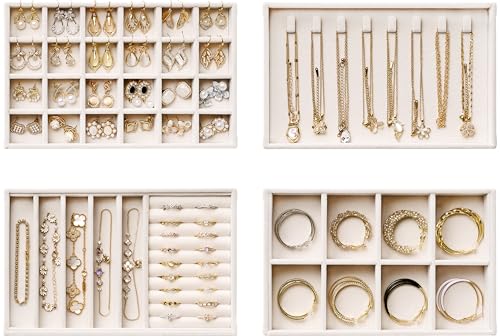
Jewelry Trays: The Key to an Organized Dresser Top
Your dresser is more than a place to store clothing—it is the first surface you see in the morning and the last you touch at night. A well-chosen jewelry tray transforms that surface from a tangle of chains and loose earrings into a calm, curated display that protects your accessories and simplifies your daily routine.
Explore Jewelry TraysWhy jewelry trays matter on a dresser: A dresser top is prime real estate. Without a defined landing spot, rings scratch, necklaces knot, and small earrings vanish. A jewelry tray creates a dedicated zone for the pieces you wear most often, keeps them visible and accessible, and shields delicate finishes from dust and accidental knocks. Whether you own a compact jewelry organizer for dresser top or a larger multi-section tray, the right setup turns daily accessorizing into a pleasant ritual rather than a scavenger hunt.
What a Jewelry Tray Actually Does for Your Dresser
At its core, a jewelry tray is a shallow, compartmentalized vessel designed to hold small valuables. But its role on a dresser goes far beyond simple containment. Understanding these benefits helps you choose a tray that matches your daily habits and the pieces you own.
Prevents Tangles and Scratches
Separate slots and soft linings keep chains from knotting and metal from rubbing against metal. Even a simple velvet-lined tray dramatically reduces wear on plated and polished finishes.
Creates a Daily Routine Zone
When your most-worn pieces have a fixed home, you instinctively place them there each evening. That single habit prevents the "where did I leave my ring" scramble every morning.
Protects Dresser Surfaces
Metal jewelry, perfume bottles, and watches can leave marks on wood finishes. A tray acts as a protective barrier while also catching stray earring backs and small links.
Elevates the Visual Look
A thoughtfully arranged tray turns clutter into a display. Grouping pieces by type or color makes your dresser top look intentional, like a boutique display rather than a pile of accessories.
Types of Jewelry Trays for Dresser Tops
Jewelry trays come in several configurations, each suited to different collections and spatial constraints. The best choice depends on what you own, how often you wear it, and how much surface area your dresser offers.
Single-Compartment Catchall Tray
A shallow, open tray with no dividers. Best for those who wear one or two pieces daily and prefer a minimalist look. Works well for a jewelry dresser with glass top where the tray becomes part of the display.
Entry-LevelMulti-Section Ring and Earring Tray
Divided into small squares or slots, ideal for rings, studs, and small hoops. Keeps pairs together and makes choosing earrings effortless. Often paired with a jewelry stand for necklaces.
Mid-RangeLayered Stacking Trays
Two or three shallow trays that stack vertically, maximizing dresser space. Each layer can hold a different category—rings on top, bracelets in the middle, watches below. A smart choice for compact dressers.
Mid-TierVelvet-Lined Jewelry Tray
Soft velvet or suede lining protects delicate stones and polished metals. Often found in premium sets and frequently paired with a jewelry box for top of dresser for a coordinated look.
PremiumAcrylic or Glass Display Tray
Transparent trays let you see contents at a glance and suit modern or minimalist decor. Easy to clean and visually light, they work especially well on a high-gloss white lacquer dresser.
Balanced TierTravel-Style Zip Jewelry Tray
Compact trays with a zip cover or roll-up design. While designed for travel, they double as dust-protected storage on a dresser for those who rotate accessories seasonally.
Essential TierMaterials and Finishes: What to Look For
The material of your jewelry tray affects durability, appearance, and how well it protects your pieces. Here is how the most common options compare.
| Material | Best For | Durability | Care Notes |
|---|---|---|---|
| Velvet / Suede Lining | Rings, earrings, delicate stones | Moderate — lining can flatten over time | Brush gently; avoid moisture |
| Solid Wood | Watches, bracelets, larger trays | High — durable construction | Wipe with dry cloth; avoid prolonged dampness |
| Acrylic | Modern decor, visible storage | High — shatter-resistant variants available | Clean with mild soap and soft cloth |
| Leather / Faux Leather | Executive or masculine dresser styles | Moderate to high | Condition occasionally; keep away from direct sun |
| Ceramic / Stoneware | Decorative catchall trays | High but brittle | Handle with care; avoid dropping |
| Metal (Brass, Steel) | Industrial or vintage-inspired decor | High — heavy-duty options exist | Check for rust-proof finish; polish occasionally |
How to Choose the Right Jewelry Tray for Your Dresser
Before you commit to a tray, consider these practical factors. A tray that fits your space and habits will be used every day; one that does not will end up in a drawer.
- Measure your dresser top first. Leave room for a lamp, mirror, or decorative items. A tray should occupy a defined zone—usually one corner or the center—without crowding the surface.
- Match the tray to your collection. If you own mostly necklaces, look for a tray with a bar or notch system. If rings dominate, prioritize divided slots. Multi-section trays offer flexibility.
- Consider your daily routine. Do you remove jewelry at night and put it back in the morning? A shallow open tray is fastest. If you rotate pieces weekly, a covered or stacked tray keeps dust off.
- Coordinate with your dresser style. A velvet tray suits traditional or romantic decor, while acrylic or metal trays pair well with modern and industrial styles. The tray should feel like an intentional accessory, not an afterthought.
- Check the base. A tray with a felt or rubberized bottom protects your dresser finish and prevents sliding when you reach for a piece.
- Think about cleaning. Removable liners and smooth surfaces are easier to maintain. Velvet-lined trays require more careful care than acrylic or wood.
Editorial tip: If your dresser top is also your getting-ready station, consider pairing a jewelry tray with a jewelry stand for longer necklaces and a small jewelry organizer for dresser top for overflow. Together they create a complete, functional zone without occupying the entire surface.
Organizing Your Jewelry Tray Like a Stylist
A tray is only as effective as its arrangement. These simple principles keep your tray functional and visually appealing.
- Group by frequency, not category. Place the pieces you wear daily front and center. Seasonal or occasional pieces can sit toward the back or in a covered compartment.
- Use small dishes within the tray. A tiny ceramic dish or a sectioned insert can hold earring backs, studs, and rings without letting them roll around.
- Lay necklaces flat or hang them. If your tray has a necklace channel, use it. Otherwise, lay chains flat in a single layer to prevent tangling.
- Keep watches upright or on a cushion. If your tray includes a watch pillow, use it—this prevents scratches on the case and keeps the strap in shape.
- Edit regularly. Once a month, remove pieces you have not worn and store them elsewhere. An overfilled tray defeats the purpose of organization.
Jewelry Trays vs. Jewelry Boxes vs. Jewelry Stands
Each storage format serves a different purpose. Understanding the distinctions helps you build a system that works for your dresser top.
| Format | Best For | Footprint | Access Speed |
|---|---|---|---|
| Jewelry Tray | Daily pieces, rings, earrings, watches | Shallow and wide | Fastest — everything visible |
| Jewelry Box | Mixed collections, travel, dust protection | Compact but tall | Moderate — requires opening |
| Jewelry Stand | Necklaces, bracelets, hanging earrings | Vertical, narrow base | Fast for hanging pieces |
Many dresser setups combine all three: a tray for rings and studs, a stand for necklaces, and a box for pieces worn less often. This layered approach keeps everything accessible without cluttering the surface. If you are also considering a dedicated piece of furniture, explore options like a jewelry dresser that integrates storage into the dresser itself.
Jewelry Tray Placement on Different Dresser Styles
The right placement depends on your dresser's proportions and the way you use the space. Here are practical starting points.
- On a wide dresser: Place the tray on one side, leaving the center open for a mirror or decorative object. This creates visual balance and keeps the tray within easy reach.
- On a tall dresser: A stacked or covered tray works well because it contains small items without spilling. Keep the tray toward the front edge for easy access.
- On a small dresser: Choose a single compact tray or a stacking set. Avoid multiple open trays that consume the entire surface. A jewelry organizer for dresser top with built-in compartments can maximize limited space.
- On a dresser with a glass top: Use a tray with a felt base to prevent scratching and to keep the tray from sliding. A jewelry dresser with glass top pairs especially well with an acrylic or velvet tray.
Care and Maintenance for Jewelry Trays
A well-maintained tray protects your jewelry and keeps your dresser looking polished. These habits extend the life of both.
- Dust weekly. A soft microfiber cloth removes dust from velvet, acrylic, and wood surfaces without scratching.
- Keep liquids away. Perfume, lotion, and water can stain velvet and warp wood. Apply products before placing jewelry in the tray.
- Rotate and inspect. Every few weeks, check for loose earring backs, tangled chains, and worn lining. Small issues are easier to fix before they become bigger ones.
- Store in a stable spot. Avoid placing the tray near the edge of the dresser where it can be knocked off. A felt or rubber base helps it stay put.
- Clean according to material. Acrylic trays can be washed with mild soap; velvet should be brushed dry; wood should be wiped with a barely damp cloth and dried immediately.
Frequently Asked Questions About Jewelry Trays
What size jewelry tray is best for a dresser top?
A tray that occupies roughly one-quarter to one-third of your dresser's surface is usually ideal. It should be large enough to hold your daily pieces without crowding other items like a lamp or mirror. Measure your available space before choosing.
Is velvet or acrylic better for jewelry?
Velvet is softer and better for delicate stones and polished metals because it reduces scratches. Acrylic is easier to clean and suits modern decor. Neither is universally better—choose based on your collection and style preferences.
Can I use a jewelry tray for watches?
Yes, provided the tray has enough depth or a watch cushion. A shallow tray without a cushion can work if you lay watches flat, but a dedicated watch section or pillow better preserves the strap shape.
How do I prevent necklaces from tangling in a tray?
Lay each necklace flat in its own channel or use a tray with a necklace bar. Avoid piling multiple chains together. If your tray lacks dividers, small pouches or separate dishes can help.
Should I choose a covered or open jewelry tray?
Open trays offer the fastest access and display your pieces. Covered trays protect against dust and are better if your dresser is near a window or in a humid room. Many people use both—an open tray for daily pieces and a covered box for the rest.
How often should I reorganize my jewelry tray?
A quick tidy weekly and a deeper edit monthly works well for most people. Remove pieces you have not worn recently and clean the tray surface to prevent buildup of dust and residue.
Related Dresser and Jewelry Storage Guides
Turn Your Dresser Top Into a Curated Display
A jewelry tray is a small investment in daily calm. It protects your pieces, simplifies your routine, and makes your dresser feel intentional. Browse our recommended jewelry trays below to find the right fit for your collection and your space.
View Jewelry Tray Options