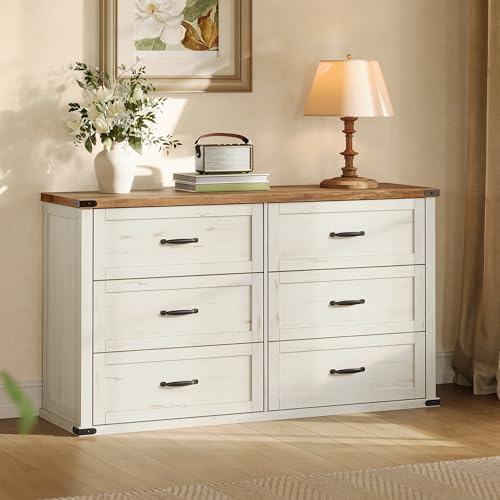
Fully Assembled Dressers & Chests: Ready to Use, Right Out of the Box
Skip the tools, the confusing diagrams, and the missing screws. This guide explains everything you need to know about fully assembled dressers and chests — from construction quality and drawer systems to delivery logistics and long-term durability — so you can choose with confidence.
Jump to Buying ChecklistWhy fully assembled furniture deserves a closer look: A ready-built dresser removes the biggest frustration of flat-pack furniture — assembly. But “fully assembled” is not a single standard. Some pieces arrive with every drawer and glide installed, while others ship with legs or handles detached for safe transit. Understanding what the label really means helps you avoid surprises on delivery day and judge whether the construction justifies its position in the market.
What “Fully Assembled” Actually Means
The term is used loosely across the furniture industry, so it helps to separate the common interpretations. In most cases, a fully assembled dresser or chest arrives with the carcass, drawer boxes, runners, and internal dividers already joined. What may still require a few minutes of attention includes:
- Attaching legs or feet — often removed for shipping to protect the frame and reduce box height.
- Installing handles or knobs — hardware is frequently packed separately to prevent scratches in transit.
- Mounting a mirror — mirror-to-dresser attachments are sometimes left for the final step.
- Anti-tip hardware — wall anchoring is almost always a user-installed safety step.
If a listing says “no assembly required,” confirm whether that includes hardware and legs. A quick check of the product description or a message to the retailer prevents disappointment. For a broader view of how dressers differ from chests in form and function, the dresser vs chest comparison is a useful starting point before you commit to a category.
The Real Advantages of Pre-Assembled Pieces
The appeal goes beyond convenience. Factory assembly typically means the piece was built and inspected under controlled conditions, which has a measurable effect on how it holds up over years of daily use.
1. Stronger, More Consistent Joinery
When a dresser is assembled at the factory, joints are often glued, clamped, and cured properly. This produces tighter seams and more rigid frames than hand-assembled flat-pack furniture, where the quality of the final joint depends on the buyer’s tools and patience. Solid wood and high-grade engineered panels benefit most from this controlled process.
2. Drawers That Align Correctly
Drawer alignment is one of the most common frustrations with self-assembly. Factory-built units have their runners installed and tested before shipping, so drawers glide evenly and close flush. If smooth operation matters to you, look for metal ball-bearing glides or soft-close mechanisms — features more often found on mid-range and premium assembled pieces.
3. No Missing Hardware, No Guesswork
Flat-pack furniture lives or dies by the completeness of its hardware bag. A fully assembled dresser eliminates that risk almost entirely. The only loose parts are typically the ones intentionally left off for transit, and those are usually packaged with clear labeling.
4. Immediate Usability
For renters, people moving into a new home, or anyone replacing a broken piece in a hurry, the ability to use a dresser the same day it arrives is a genuine practical benefit. There is no waiting for a free weekend or borrowing tools from a neighbor.
Trade-Offs You Should Understand Before Ordering
Fully assembled furniture is not without compromises. Being aware of them ahead of time turns a potentially frustrating purchase into a predictable one.
- Weight and maneuverability. A built dresser is heavy. Moving it up stairs or through tight hallways requires planning. Measure doorways, stairwell width, and elevator dimensions before delivery.
- Delivery logistics. Some retailers offer room-of-choice delivery, while others drop the piece at the curb. Confirm the service level, especially for large chests and wide dressers.
- Higher market tier. Assembly labor and sturdier construction usually place these pieces in a higher tier than flat-pack equivalents. The trade-off is long-term durability versus upfront simplicity.
- Return complexity. Returning a large assembled item can involve freight shipping. Read the return policy carefully before checkout.
These trade-offs are manageable with a little preparation. The key is matching the piece’s size and delivery terms to your actual space and access route.
Fully Assembled vs. Flat-Pack: A Side-by-Side View
The table below compares the two approaches across the factors that matter most to buyers researching before purchase. Tiers are described in relative market terms rather than absolute figures.
| Factor | Fully Assembled | Flat-Pack / Self-Assembly |
|---|---|---|
| Setup time | Minutes — position and anchor | One to several hours depending on complexity |
| Joinery quality | Factory-glued and clamped; tighter seams | Depends on buyer’s tools and skill |
| Drawer alignment | Pre-tested at the factory | Adjusted manually after assembly |
| Market tier | Mid-range to luxury | Entry-level to mid-range |
| Delivery | Freight or room-of-choice service common | Standard parcel delivery |
| Mobility after delivery | Heavy; plan the route in advance | Lighter; can be moved in sections |
| Return process | May require freight return arrangement | Often easier to re-box and return |
| Best for | Long-term use, low-maintenance households | Frequent movers, tight access routes |
The Buying Checklist for Fully Assembled Dressers
Use the following criteria to evaluate any pre-assembled piece before you order. Each card represents a decision point that directly affects satisfaction after delivery.
Measure the Delivery Path
Record the width of doorways, hallway turns, stairwells, and elevator openings. Compare these against the dresser’s assembled dimensions — not the box dimensions. A few centimeters of clearance can be the difference between a smooth delivery and a returned item.
Confirm the Assembly Scope
Check whether legs, handles, and mirrors ship detached. Read the product description or ask the retailer directly. Knowing exactly what remains to be done on arrival sets realistic expectations.
Inspect Drawer Glide Quality
Metal ball-bearing glides with soft-close features are a hallmark of higher-tier construction. Plastic rollers are common at entry level. Glide quality determines how the dresser feels in daily use more than almost any other component.
Evaluate Material and Finish
Solid wood frames and high-grade engineered panels with durable finishes resist warping and surface wear. Look for reinforced drawer bottoms and corner blocks — small details that signal a solid build.
Check Safety Certification
Anti-tip kits should be included. For nursery or children’s rooms, confirm compliance with relevant furniture safety standards. Stability matters more than style when the piece is tall or heavily loaded.
Understand Delivery and Returns
Clarify whether delivery includes placement in the room, unpacking, and debris removal. Review the return window and who covers freight costs for large assembled items. These terms vary widely between retailers.
Editorial note: A fully assembled dresser is a long-term investment in convenience and structural integrity. When comparing options, weigh the build quality and drawer mechanism more heavily than cosmetic details — those are the elements you will interact with every day.
Matching the Right Assembled Piece to Your Space
Fully assembled furniture comes in the same broad range of forms as flat-pack, so the selection question is really about fit. The following categories cover the most common research paths:
For Bedrooms with Limited Floor Space
A tall, narrow chest maximizes vertical storage without consuming wall width. Pre-assembled tall chests are popular for small bedrooms because they arrive ready to anchor against a wall. If depth is the constraint, a narrow dresser keeps walkways clear while still offering multiple drawers.
For Primary Bedrooms and Larger Rooms
Wide dressers and double dressers provide generous surface area and a balanced visual anchor. A wide dresser suits rooms where the piece will sit opposite the bed. For very spacious layouts, an extra-large dresser delivers substantial storage capacity in a single assembled unit.
For Entryways and Multi-Purpose Rooms
Fully assembled chests are increasingly used outside the bedroom. An entryway dresser offers concealed storage for gloves, mail, and seasonal accessories while doubling as a console. In living areas, an entertainment dresser combines media storage with the visual warmth of wood furniture.
For Nurseries and Children’s Rooms
Safety and stability are paramount. A nursery dresser should include anti-tip hardware and smooth-closing drawers. Factory assembly reduces the risk of loose joints that can develop in self-built furniture over time, which is a meaningful advantage in a child’s room.
For Coordinated Bedroom Sets
If you prefer a unified look, a dresser and nightstand set delivers matching finishes and hardware without the risk of mismatched assembly quality between pieces. Pre-assembled sets are particularly convenient when furnishing a room from scratch.
Materials and Construction: What Separates Tiers
Because you cannot inspect a dresser in person before ordering online, the material specification becomes your primary quality signal. The descriptors below follow a consistent tier system used throughout this guide.
- Entry-level: Engineered wood panels with laminated finishes and plastic drawer rollers. Suitable for light use and shorter ownership horizons.
- Mid-range: A mix of solid wood in stress areas and high-grade engineered panels elsewhere. Metal ball-bearing glides appear at this tier, along with improved corner reinforcement.
- Premium: Solid wood frames, dovetail or reinforced drawer joints, soft-close glides, and durable hand-applied or catalyzed finishes. Built for long-term daily use.
- Luxury: Hardwood construction throughout, precision joinery, premium hardware, and finishes that resist wear across decades. Often accompanied by white-glove delivery.
For a deeper dive into how wood species and finishes affect longevity, the materials and finishes guide explains the practical differences between oak, walnut, pine, and engineered alternatives. If solid timber is a priority, browse the solid wood chests collection to see how construction quality scales with tier.
Preparing for Delivery Day
A little preparation makes the arrival of a fully assembled dresser stress-free. Work through these steps in the week before delivery:
- Clear the path. Remove rugs, furniture, and wall art along the delivery route to prevent damage to both the piece and your home.
- Protect the floors. Place moving blankets or cardboard along the path if the delivery team will be maneuvering a heavy piece.
- Identify the final position. Decide where the dresser will live before it arrives. Moving an assembled piece twice is unnecessary effort.
- Have the anti-tip kit ready. Locate wall studs in advance if the dresser requires anchoring, especially in children’s rooms.
- Inspect on arrival. Check drawers for smooth operation, confirm all hardware is present, and photograph any transit damage before signing the delivery receipt.
Explore Related Guides
Continue your research with these closely related topics:
Frequently Asked Questions
What does fully assembled mean for a dresser?
A fully assembled dresser arrives with the frame, drawers, hardware, and interior components already put together. You only need to position it in your room, and in some cases attach the legs or handles if the manufacturer ships them detached for safe transit.
Are fully assembled dressers heavier to move?
Yes, a fully assembled dresser is considerably heavier than a flat-pack version because the structure is already built. Plan the delivery route in advance, measure doorways and stairwells, and arrange for a helper or professional delivery service when the piece is large.
Do fully assembled chests cost more than flat-pack options?
Fully assembled pieces usually sit in a higher tier than flat-pack equivalents because they include construction labor and often use sturdier joinery. The long-term value depends on materials, drawer glide quality, and how long you plan to keep the piece.
Can I return a fully assembled dresser?
Return policies vary by retailer. Many stores accept returns within a set window, but the buyer may need to arrange and cover return shipping for large assembled items. Always confirm the return terms before ordering.
Is a fully assembled dresser worth the higher tier?
For households that value structural durability and want to avoid assembly, the higher tier is often a worthwhile investment. Factory joinery tends to hold up better over years of use, and the time saved is significant. Frequent movers, however, may prefer lighter flat-pack pieces that are easier to transport.