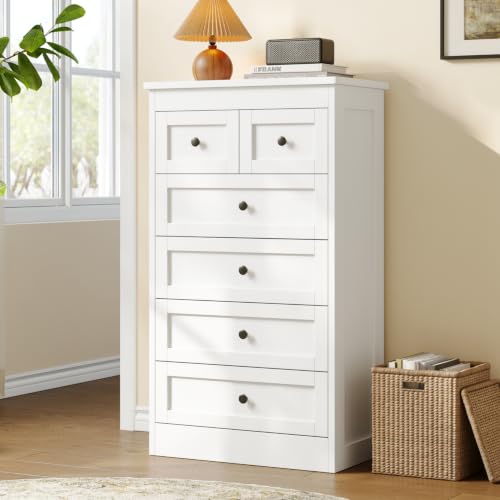
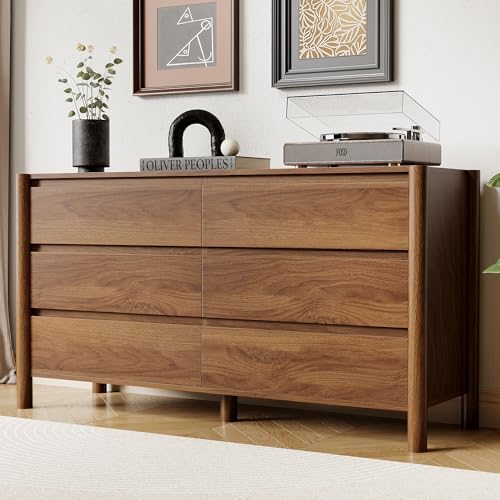
Fully Assembled 6 Drawer Chest: Complete Buying Guide
Skip the tools and the frustration. Learn everything about ready-assembled six-drawer chests — from construction quality and drawer glide systems to sizing, safety, and styling — so you can choose with confidence.
START EXPLORINGWhy consider a fully assembled chest? A six-drawer chest is one of the most versatile storage pieces for a bedroom. When it arrives fully assembled, you save hours of setup time and avoid common assembly pitfalls such as misaligned drawers or stripped hardware. This guide walks you through what matters most before you buy.
In This Guide
- What Is a Fully Assembled 6 Drawer Chest?
- Key Benefits of Ready-Assembled Chests
- Construction & Material Quality
- Drawer Glides and Interior Layout
- Sizing Your Six-Drawer Chest
- Safety Features to Look For
- Market Tiers: Entry-Level to Luxury
- Comparison Table by Tier
- Buying Checklist
- Frequently Asked Questions
What Is a Fully Assembled 6 Drawer Chest?
A fully assembled six-drawer chest is a bedroom storage unit that arrives at your door ready to use — no flat-pack boxes, no Allen keys, no missing screws. The manufacturer builds the frame, installs the drawer boxes and glides, attaches the hardware, and often finishes the piece before shipping. You simply place it in your room and start organizing.
Six drawers strike a practical balance: enough capacity for clothing, linens, or accessories, yet compact enough to fit most bedrooms without dominating the floor plan. If you are comparing storage formats, our guide on fully assembled dressers and chests explains how a chest differs from a wide dresser in both form and function.
Ready-assembled pieces are especially appealing if you have a busy schedule, limited DIY skills, or simply prefer a polished result from day one. They are also a strong choice for guest rooms, rentals, and primary suites where a clean, finished look matters.
Key Benefits of Ready-Assembled Chests
Choosing a pre-built chest comes with several practical advantages that go beyond convenience:
- Zero assembly time. The piece is usable the moment it is placed and leveled.
- Factory-aligned drawers. Drawers are installed and tested at the factory, which typically means smoother operation and fewer alignment issues.
- Structural integrity. Joints, glue, and fasteners are applied under controlled conditions rather than by hand at home.
- Immediate styling. You can decorate the top, arrange the room, and enjoy the finished look without waiting on a project.
- Fewer missing parts. There is no hardware bag to lose and no risk of discovering a missing screw mid-build.
One consideration is delivery logistics. Because the chest arrives as a single built unit, it is heavier and bulkier than a flat-pack box. Confirm doorway widths and stair access before ordering, and check whether the retailer offers room-of-choice delivery.
Construction & Material Quality
The construction of a six-drawer chest determines how long it will last and how well it will perform day to day. Here is what to examine:
Frame and Carcass Materials
Solid wood frames — such as oak, maple, or walnut — offer the most durable construction and the most natural grain character. Engineered wood with quality veneers can also perform well and often provides a more uniform finish. Entry-level chests frequently use particle board or MDF with laminate surfaces; these are serviceable but less resilient to moisture and heavy use over time.
Joinery and Fasteners
Look for dovetail or box joints on drawer boxes, and mortise-and-tenon or doweled joints on the frame. These techniques signal a solid build. Staples and basic butt joints are common in starter-tier furniture and may loosen with years of use.
Finish and Hardware
A quality finish protects the wood and resists everyday wear. Painted, lacquered, and oil-rubbed finishes each have distinct care requirements. Hardware — knobs and pulls — should feel secure and comfortable in the hand. If you plan to customize, our guide on gold handles for dresser projects explains how hardware swaps can refresh the look of a ready-built piece.
Drawer Glides and Interior Layout
Drawer glides are the single most important mechanical component in a chest. They determine how smoothly the drawers open, how much weight they can hold, and how long the piece stays pleasant to use.
Types of Drawer Glides
- Wood-on-wood runners: Found on traditional and antique-style chests. Charming, but require waxing and can stick over time.
- Standard metal side glides: Common in mid-tier chests. Reliable and smooth for everyday use.
- Ball-bearing side glides: A step up in smoothness and load capacity, often found in premium pieces.
- Undermount soft-close glides: The top tier. Hidden beneath the drawer, they offer full extension, quiet closing, and a clean look.
Interior Layout Options
Six-drawer chests typically follow one of two layouts: six equal drawers, or a mix of deeper lower drawers with shallower upper drawers. If you store folded clothing, deep lower drawers are practical. For accessories, linens, or delicates, a mix of depths lets you organize more precisely. Some models include felt-lined top drawers for jewelry and small valuables.
Consider the internal drawer dimensions, not just the exterior footprint. A chest that looks generous from the outside may have shallow or narrow drawers that limit what you can store.
Sizing Your Six-Drawer Chest
Before ordering, measure your space and plan the placement. A six-drawer chest generally falls into two broad footprints: a tall, narrow chest (ideal for smaller rooms) or a wider, lower chest (better for larger bedrooms).
- Height: Tall chests typically reach 48–60 inches; lower chests sit around 30–36 inches, doubling as a display surface.
- Width: Narrow six-drawer chests can be as slim as 24–30 inches; wider versions run 40–50 inches or more.
- Depth: Most chests are 16–20 inches deep. Confirm the drawer extension clearance so drawers can open fully without hitting a bed or door.
Leave at least two to three feet of walking clearance in front of the chest. If your room is tight, a tall chest is usually the smarter choice because it maximizes vertical storage without consuming floor space. For very large rooms, an extra-large chest of drawers may be a better fit than a standard six-drawer model.
Safety Features to Look For
Safety is non-negotiable, especially in homes with children or pets. A loaded six-drawer chest is heavy, and an open drawer can shift the center of gravity.
- Anti-tip kit: A wall-anchoring strap or bracket should be included or available. Use it.
- Drawer stops: These prevent drawers from pulling all the way out accidentally.
- Interlock system: Some chests allow only one drawer to open at a time, reducing tip-over risk.
- Sturdy back panel and base: A solid back and wide feet or a plinth base add stability.
Always anchor the chest to the wall, even if you do not have young children. It is a simple step that takes minutes and provides lasting peace of mind.
Market Tiers: Entry-Level to Luxury
Six-drawer chests span a wide range of market positions. Rather than focusing on numbers, it helps to understand what each tier typically delivers in terms of materials, glides, and finish.
Entry-Level Tier
Entry-level chests usually feature engineered wood frames, standard side glides, and basic hardware. They are a practical choice for guest rooms, rentals, or starter apartments. Construction is generally sound for light-to-moderate use, though drawer boxes may be stapled rather than dovetailed.
Mid-Range Tier
Mid-range models step up to sturdier frames, smoother ball-bearing glides, and more refined finishes. Drawer boxes often use stronger joinery, and hardware feels more substantial. This tier represents a balanced choice for a primary bedroom where the chest will see daily use.
Premium Tier
Premium chests offer solid wood construction, soft-close undermount glides, dovetailed drawer boxes, and careful finishing. They are built to last and often include thoughtful details such as felt-lined top drawers and adjustable levelers.
Luxury Tier
Luxury and professional-grade pieces feature premium hardwoods, hand-finished surfaces, custom hardware, and precision joinery. They are long-term investments designed to be passed down or to anchor a high-end bedroom design. If you are exploring statement pieces in this category, our overview of extra-large solid wood dresser options shows what top-tier construction looks like in practice.
Comparison Table by Tier
Use this table to match your needs to the right tier. It focuses on construction and features rather than any numeric figure.
| Tier | Frame Material | Drawer Glides | Best For |
|---|---|---|---|
| Entry-Level | Engineered wood with laminate or veneer | Standard metal side glides | Guest rooms, rentals, light use |
| Mid-Range | Engineered wood with quality veneer or mixed solid | Ball-bearing side glides | Primary bedrooms, daily use |
| Premium | Solid wood with dovetailed drawer boxes | Undermount soft-close glides | Long-term daily use, design-focused rooms |
| Luxury | Premium hardwoods, hand-finished | Full-extension soft-close undermount | Statement pieces, long-term investment |
Within each tier, some models stand out for being especially well-specified for their class. Reading customer reviews about drawer smoothness and finish durability is a reliable way to separate the stronger options from the rest.
Buying Checklist
Before you commit to a fully assembled six-drawer chest, run through this checklist:
- Measure twice. Confirm height, width, depth, and the clearance needed for drawers to open.
- Check delivery access. Verify door widths and stair turns; a built chest cannot be disassembled for tight spaces.
- Confirm the assembly status. "Fully assembled" should mean ready to use, not "minimal assembly required." Ask the retailer if unsure.
- Review the glide type. Soft-close and full-extension glides are worth prioritizing for daily-use bedrooms.
- Inspect joinery details. Dovetail or box joints on drawer boxes indicate a more durable build.
- Plan for anchoring. Confirm an anti-tip kit is included or available.
- Consider the finish. Match the finish to your room's humidity and light exposure; solid wood and quality veneers handle both well.
- Read owner feedback. Look for comments on drawer alignment, smell, and finish durability after several months of use.
Quick Tip: Weigh the Drawer Boxes
If you can inspect the chest in person, open a drawer and feel its weight. Heavier drawer boxes with solid bottoms and metal glides signal better construction than thin, flexible panels with lightweight runners. This simple check tells you a lot about long-term durability.
Frequently Asked Questions
Does "fully assembled" really mean no setup at all?
In most cases, yes. The chest arrives built, and you only need to position it, level it if adjustable feet are included, and attach the anti-tip strap to the wall. Some retailers may still require you to attach knobs or handles that were removed for shipping, so confirm the exact condition before ordering.
How heavy is a fully assembled six-drawer chest?
Weight varies with material and size. Engineered-wood chests are generally lighter, while solid wood models are noticeably heavier. Because the unit ships built, plan for two people to move it and clear a direct path to the intended room before delivery.
Is a six-drawer chest enough storage for one person?
For many people, yes. Six drawers can hold folded clothing, loungewear, and accessories. If you also need hanging space or store bulky items like bedding, pair the chest with a closet or consider a wider dresser configuration. Tall six-drawer chests maximize vertical capacity in compact rooms.
What is the difference between a chest and a dresser?
The terms are often used interchangeably, but a chest typically refers to a taller, narrower piece with stacked drawers, while a dresser is usually wider and lower. A six-drawer chest is a good fit for narrow walls; a wide dresser suits rooms with more horizontal space.
Can I customize the hardware on a fully assembled chest?
Yes. Knobs and pulls are usually easy to swap, provided the new hardware uses the same screw spacing or you are willing to fill and redrill holes. Swapping hardware is one of the simplest ways to personalize a ready-built piece.
How do I care for a solid wood chest?
Dust regularly with a soft cloth, avoid prolonged direct sunlight, and keep the piece away from heat sources. Use a mild wood cleaner rather than abrasive products, and address spills promptly. For painted or veneered finishes, follow the manufacturer's care guidance to preserve the surface.
Ready to Choose Your Six-Drawer Chest?
Browse our recommended fully assembled six-drawer chests and compare features, materials, and drawer systems side by side.
VIEW RECOMMENDATIONS