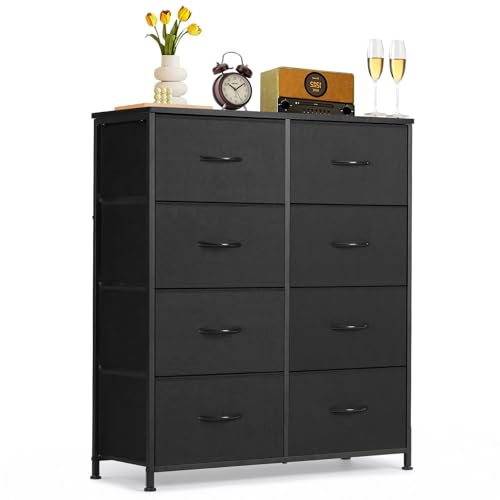
Fabric Storage Dresser: A Complete Guide
Everything you need to know about fabric storage dressers — from frame construction and fabric durability to drawer organization and room placement. Make a confident, informed choice for your bedroom, closet, or nursery.
Explore Recommended ModelsWhy fabric storage dressers deserve your attention: A fabric storage dresser combines lightweight portability, breathable drawer material, and flexible organization in a way that solid wood and metal furniture simply cannot match. If you are researching this category before buying, this guide walks you through construction, fabric types, drawer mechanics, safety, and styling so you can decide with clarity.
What Is a Fabric Storage Dresser?
A fabric storage dresser is a storage unit whose drawers are constructed from woven or non-woven fabric rather than wood, metal, or plastic. These drawers typically slide into a supporting frame made of powder-coated steel, engineered wood, or a combination of both. The result is a furniture piece that is noticeably lighter than a traditional wooden dresser while still offering structured, multi-drawer storage for clothing, linens, accessories, and household items.
Fabric dressers occupy an interesting position in the market. They are frequently chosen for bedrooms, walk-in closets, dorm rooms, nurseries, and rental apartments where flexibility matters more than permanence. Many models are collapsible or modular, which makes them easy to relocate, reconfigure, or store away when not needed. If you are comparing this category against rigid alternatives, our guide to the broader fabric dresser category provides useful context on how these units differ from conventional wooden dressers.
It is also worth distinguishing a fabric storage dresser from a fabric chest of drawers. The terms overlap considerably in retail, but a chest of drawers typically refers to a taller, narrower unit with stacked drawers, while a dresser is usually wider and lower. Both formats exist in fabric construction, and the right choice depends on your room layout and the volume of items you need to store.
Anatomy of a Fabric Storage Dresser
Understanding how a fabric dresser is built helps you evaluate quality beyond surface appearance. A well-made unit consists of several distinct components, each of which affects durability, usability, and safety.
1. The Frame
The frame is the structural backbone. Entry-level models often use thin tubular steel or a combination of metal and engineered board. Mid-range fabric dressers usually feature thicker powder-coated steel frames with cross-bracing, while high-end tier units may incorporate reinforced side panels and corner joints for added rigidity. A sturdy frame prevents drawer sagging, which is the most common failure point in fabric storage furniture.
2. The Drawers
Fabric drawers come in two main constructions: collapsible (often with a removable base board) and rigid (with a fixed base). Collapsible drawers are convenient for transport and storage, but rigid drawers generally hold their shape better under load. The drawer front may be reinforced with cardboard or engineered board to maintain a clean, structured appearance.
3. The Fabric
Fabric quality directly influences breathability, ease of cleaning, and lifespan. Common materials include:
- Non-woven polypropylene: The most common material in entry-level and mid-range fabric dressers. It is lightweight, moisture-resistant, and easy to wipe clean.
- Polyester blends: Offer a softer hand feel and better color retention, often found in premium fabric dressers.
- Cotton or canvas: Breathable and aesthetically pleasing, but more prone to staining and require gentler care.
- Linen-look blends: Popular for bedroom aesthetics, combining visual texture with reasonable durability.
4. Drawer Slides and Glides
Many fabric dressers use simple friction glides or plastic runners rather than full metal ball-bearing slides. Mid-range and top-tier models increasingly incorporate smoother metal glides or reinforced fabric runners that reduce friction and extend drawer life. If smooth operation matters to you, look for models that explicitly describe their glide mechanism.
5. Safety Features
Anti-tip hardware is essential, particularly in nurseries and households with children. Many fabric dressers include wall-anchoring straps, and some feature rounded corners and soft-close drawer fronts for additional safety.
Fabric Types Compared
The table below summarizes how different fabric constructions perform across the criteria that matter most to buyers. Use it as a quick reference when comparing product listings.
| Fabric Type | Breathability | Cleaning Ease | Durability | Best For |
|---|---|---|---|---|
| Non-woven polypropylene | Moderate | High — wipe clean | Good | Everyday bedroom storage, dorms, rentals |
| Polyester blend | Moderate | High — spot clean | Very good | Family bedrooms, multi-use rooms |
| Cotton / canvas | High | Moderate — gentle wash | Moderate | Nurseries, aesthetic-focused bedrooms |
| Linen-look blend | High | Moderate | Good | Styled bedrooms, guest rooms |
| Reinforced woven fabric (top-tier) | Moderate to high | High | Excellent | High-traffic rooms, long-term use |
Quality Tiers: How Fabric Dressers Compare
Rather than focusing on numeric figures, it helps to understand fabric storage dressers across relative quality tiers. The classification below describes how units differ in construction and intended use.
| Tier | Frame Construction | Fabric Quality | Best For |
|---|---|---|---|
| Entry-level | Lightweight tubular steel, simple assembly | Standard non-woven fabric | Dorm rooms, temporary setups, light storage |
| Mid-range | Reinforced steel frame with cross-bracing | Polyester blend or durable non-woven | Everyday bedroom use, family homes |
| Premium | Heavy-duty steel or wood-reinforced frame | Woven fabric with reinforced stitching | Long-term use, styled bedrooms, nurseries |
| Top-tier | Commercial-grade frame with premium glides | High-grade woven fabric, moisture-resistant lining | High-traffic rooms, professional organization |
When comparing within these tiers, mid-range models generally offer a noticeably smoother drawer action and better frame rigidity than entry-level units, while top-tier fabric dressers approach the structural stability of conventional wooden furniture.
Advantages and Trade-offs
No furniture category is without compromise. Here is an honest assessment of what fabric storage dressers do well and where they require consideration.
Advantages
- Lightweight and easy to move between rooms
- Breathable drawers reduce mustiness in stored linens
- Soft edges are safer for nurseries and children's rooms
- Often collapsible or modular for flexible storage
- Soft-close or quiet drawer operation in many models
- Broad stylistic range, from minimalist to patterned designs
- Minimal assembly compared to solid wood dressers
Trade-offs
- Lower load capacity than solid wood or metal dressers
- Fabric can stain if not spot-cleaned promptly
- Collapsible drawers may lose shape under heavy loads
- Not ideal for very heavy items such as tools or books
- Fabric may fade with prolonged direct sunlight exposure
- Frame rigidity varies significantly between tiers
For many households, these trade-offs are entirely acceptable. A fabric dresser excels as a secondary storage piece, a closet organizer, or a bedroom dresser for lightweight clothing and linens. If you need to store heavy denim, books, or equipment, a solid wood unit is a better fit. Our overview of the fabric chest of drawers format explores how taller fabric units handle different storage loads.
Where a Fabric Storage Dresser Works Best
Placement has a direct impact on how well a fabric dresser performs. The following room-by-room guidance helps you match the unit to the environment.
Bedrooms
Fabric dressers are a natural fit in bedrooms, particularly as a secondary storage piece for folded clothing, pajamas, and accessories. Their softer aesthetic blends well with upholstered headboards and textile-rich decor. Keep the unit away from direct sunlight to slow fabric fading, and consider a model with a reinforced frame if you plan to use it as a primary dresser.
Closets and Walk-ins
A fabric dresser inside a closet maximizes vertical storage without the bulk of wooden furniture. Lightweight construction makes it easy to reposition as your organization system evolves. Many buyers pair a fabric dresser with shelving and hanging rods to create a complete closet system.
Nurseries and Children's Rooms
Soft fabric drawers and rounded frame edges make fabric dressers a sensible choice for nurseries. Always anchor the unit to the wall using the supplied anti-tip hardware. Choose models with non-toxic fabric finishes and avoid placing heavy items in upper drawers. If you are furnishing a nursery, our fabric storage dresser guide covers safety considerations in more depth.
Dorm Rooms and Rentals
Portability and tool-light assembly make fabric dressers ideal for temporary living situations. They pack flat, move easily, and can be reconfigured across multiple living spaces without the commitment of permanent furniture.
Entryways and Multi-Purpose Rooms
A fabric dresser can serve as a catch-all storage unit in entryways for gloves, scarves, and small accessories. In multi-purpose rooms, it can hold craft supplies, linens, or media accessories. Just avoid overloading drawers with dense, heavy items.
Organization Strategies for Fabric Drawers
Because fabric drawers are softer than wooden ones, they benefit from a thoughtful organization approach. The following strategies help you get the most from every drawer.
- Assign by frequency: Place everyday items in the top drawers and seasonal or occasional items lower down.
- Use drawer dividers: Fabric-safe dividers keep folded clothing upright and prevent drawers from bulging.
- Fold rather than stack: Vertical folding (file-style) maintains shape and makes items easier to find.
- Rotate seasonal items: Swap heavy winter items for lighter summer pieces at the change of season to reduce drawer strain.
- Keep heavy items low: Place denser items such as jeans or linens in lower drawers to maintain stability.
- Label or color-code: Small labels or color-coded bins make shared dressers easier to navigate.
- Mind the weight limit: Distribute weight evenly and avoid compressing drawers beyond their structural capacity.
For a deeper dive into drawer organization, our broader bedroom storage resources cover folding techniques and divider systems that work particularly well with fabric drawers.
Organization tip: Fabric drawers benefit from periodic "rest" — emptying and reshaping collapsible drawers every few months helps them retain their structure and extends their usable life.
Care and Maintenance
Fabric storage dressers are straightforward to maintain when you follow a few consistent habits.
Routine Cleaning
- Vacuum drawer interiors monthly with a brush attachment to remove dust and lint.
- Spot-clean stains with a damp cloth and mild soap; avoid soaking the fabric.
- Wipe metal frames with a dry or slightly damp cloth to prevent dust buildup.
- Check drawer glides periodically and clear any debris that causes friction.
Protecting the Fabric
- Keep the dresser out of direct sunlight to prevent fading.
- Avoid placing the unit in damp basements or bathrooms without ventilation.
- Use a fabric protector spray on woven cotton or canvas drawers if recommended by the manufacturer.
- Allow damp clothing to dry fully before storing it in fabric drawers.
Long-Term Durability
- Tighten frame screws and connectors every few months.
- Avoid overloading drawers beyond the manufacturer's stated capacity.
- Reinforce collapsible drawer bases with the supplied board if they begin to sag.
- Store the unit in a dry place if disassembled for an extended period.
Buying Checklist: Questions to Ask Before You Choose
Use this checklist to evaluate any fabric storage dresser you are considering. It focuses on the factors that most influence long-term satisfaction.
- What is the frame material and thickness? Thicker, powder-coated steel with cross-bracing signals better rigidity.
- Are the drawers collapsible or rigid? Rigid drawers hold shape better; collapsible drawers are more portable.
- What fabric is used, and is it moisture-resistant? Polypropylene and polyester blends are easiest to maintain.
- Does the unit include anti-tip hardware? Essential for nurseries and households with children.
- What is the drawer glide mechanism? Metal glides or reinforced runners offer smoother operation than simple friction glides.
- What are the assembled dimensions? Confirm the unit fits your intended space and leaves room for doors and walkways.
- How much assembly is required? Most fabric dressers assemble in under an hour with basic tools.
- Is the fabric removable or washable? Removable drawers simplify deep cleaning.
- Does the design match your room's aesthetic? Fabric dressers range from minimalist solids to patterned statement pieces.
- What does the warranty cover? Frame and stitching coverage varies considerably between tiers.
Fabric vs. Wood vs. Metal Dressers
Understanding how fabric compares with other materials helps you choose the right dresser for each room. The table below summarizes the key differences.
| Aspect | Fabric Dresser | Wood Dresser | Metal Dresser |
|---|---|---|---|
| Weight | Lightweight, easy to move | Heavy, semi-permanent | Moderate to heavy |
| Load capacity | Moderate | High | High |
| Breathability | High | Low to moderate | Low |
| Assembly | Minimal, often collapsible | Moderate to extensive | Moderate |
| Aesthetic range | Soft, textile-focused | Classic to modern | Industrial, minimalist |
| Best for | Bedrooms, closets, nurseries, rentals | Primary bedroom furniture, long-term use | Modern interiors, high-traffic areas |
Many households use a combination: a wooden dresser as the primary bedroom piece and a fabric dresser for secondary storage in a closet or guest room. Our guide to the full fabric dresser range explores how these pieces integrate into broader bedroom furniture sets.
Frequently Asked Questions
What is a fabric storage dresser?
A fabric storage dresser is a lightweight storage unit featuring drawers made from breathable fabric, often supported by a metal or wooden frame. These dressers offer flexible organization for clothing, linens, and accessories, making them ideal for bedrooms, closets, and small spaces.
Are fabric dressers durable enough for everyday use?
Fabric dressers with reinforced frames and high-grade fabric drawers can handle everyday use effectively. Mid-range and premium fabric dressers typically feature stronger stitching, sturdy metal frames, and moisture-resistant linings that extend their lifespan significantly.
How do I clean and maintain a fabric storage dresser?
Most fabric drawers can be spot-cleaned with a damp cloth and mild soap. Removable drawers can often be hand-washed or vacuumed with a brush attachment. Keep fabric dressers away from direct sunlight and excessive humidity to preserve the fabric and frame integrity.
Can fabric dressers be used in nurseries and children's rooms?
Yes, fabric dressers are popular for nurseries because they are lightweight, have no sharp edges, and offer soft-close functionality. However, always anchor the dresser to the wall for safety and choose models with non-toxic fabric finishes.
How much weight can a fabric drawer hold?
Capacity varies by tier and drawer size. Entry-level fabric drawers typically handle light clothing and linens, while premium and top-tier models with reinforced bases support heavier folded items and small accessories. Always distribute weight evenly and avoid exceeding the manufacturer's stated capacity.
Can I use a fabric dresser in a humid climate?
Yes, provided you choose moisture-resistant fabric such as non-woven polypropylene or polyester blends, and ensure the room is well ventilated. Avoid placing the unit in bathrooms or basements with persistent dampness unless the manufacturer explicitly rates it for humid environments.
Ready to Choose Your Fabric Storage Dresser?
Browse our curated selection of fabric storage dressers and chests of drawers, selected for construction quality, fabric durability, and everyday usability. Compare features, check availability, and find the model that fits your space.
View Recommended Models