Fabric Dresser Buying Guide
Soft-sided storage that fits real bedrooms, closets, and small spaces. Learn how fabric dressers work, what separates a good one from a weak one, and how to choose the right model for your home.
What Is a Fabric Dresser?
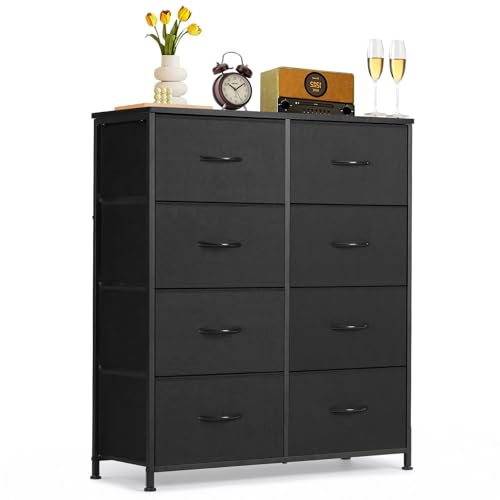
A fabric dresser is a storage unit whose drawers and body are wrapped in fabric or built from soft-sided materials, usually supported by a metal or engineered wood frame. Unlike traditional wooden dressers, fabric dressers are lightweight, often foldable, and designed to be moved easily between rooms or packed away when not in use. They have become a practical choice for renters, students, families with young children, and anyone organizing a bedroom or closet without committing to heavy furniture.
If you are still comparing storage categories, our guide to fabric chest of drawers explains how soft-sided chests differ from standard dressers, and our overview of fabric storage dressers covers the wider range of soft storage options available today.
Why Choose a Fabric Dresser?
Fabric dressers solve problems that rigid wooden furniture cannot. They are light enough for one person to carry upstairs, they fit into narrow closets and dorm rooms, and many models collapse flat for storage or moving. For households that reorganize frequently or live in temporary housing, that flexibility matters more than the heirloom durability of solid wood.
They are also a sensible option in nurseries and children's rooms, where sharp corners and heavy drawers are a concern. Soft edges and lighter drawer weights reduce the risk of injury, and the fabric covers are often removable and washable. For bedrooms that need extra drawer space without a full furniture replacement, a fabric dresser can sit at the end of the bed or inside a closet and add storage quietly. If you are planning a bedroom layout, our guide to an end of bed dresser shows how a low fabric unit can work as a bench-and-storage combination.
Types of Fabric Dressers
Fabric dressers are not a single product category. They vary widely in frame construction, drawer style, and intended use. Understanding the main types helps you match the dresser to your room and storage habits.
Soft-sided drawer towers
These are the most common fabric dressers: a stack of three to ten fabric drawers inside a lightweight frame. The drawers are usually removable bins, which makes them easy to carry to a closet or laundry area. They suit folded clothing, linens, and lightweight household items.
Fabric-covered rigid dressers
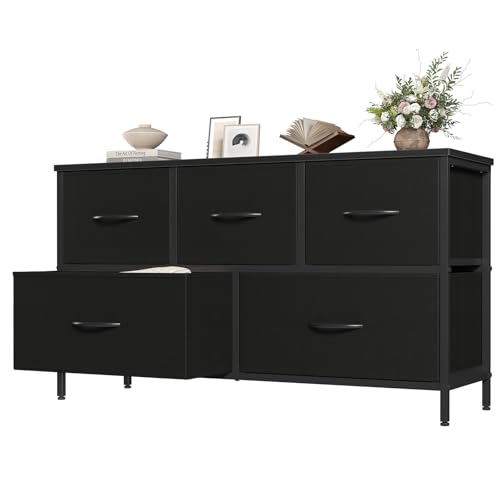
These combine a solid frame with fabric-wrapped drawer fronts. They look closer to a traditional dresser while keeping a softer visual texture. They are a good fit for bedrooms that need a calmer, upholstered look without the weight of full wood construction.
Collapsible and portable dressers
Designed for dorm rooms, temporary rentals, and travel, these dressers fold flat and reassemble without tools. They prioritize portability over long-term rigidity, so they work best for light clothing and short-term use.
Hanging and closet fabric organizers
Some fabric dressers are designed to hang inside a closet or attach to a rod, adding drawer space without floor footprint. These are useful in apartments where floor area is limited and in closets that already have vertical space.
Materials and Construction
The quality of a fabric dresser comes down to three parts: the frame, the fabric, and the drawer construction. Entry-level models often use thin steel tubing and lightweight non-woven fabric. Mid-range models typically upgrade to reinforced frames, denser fabric, and stitched drawer bases. Premium and high-end tier fabric dressers use heavier gauge frames, double-stitched seams, and fabric covers that can be removed and washed.
Common fabrics include polyester blends, non-woven polypropylene, canvas, and linen-look textiles. Polyester blends resist stains and moisture better, while canvas and linen-look fabrics feel more substantial and suit bedrooms with a softer design language. Look for reinforced handles, stitched rather than glued seams, and drawer bases that are supported rather than free-floating.
Frame material matters as much as fabric. Powder-coated steel frames resist rust and hold their shape, while engineered wood frames offer a more rigid structure but are heavier. For a closer look at how soft-sided chests are built, see our fabric chest of drawers guide.
Sizing and Placement
Fabric dressers range from narrow three-drawer towers to wide eight-drawer units. Before choosing a size, measure the intended wall or closet space and account for drawer pull-out clearance. A fabric dresser needs less depth than a wooden dresser, which makes it useful in narrow rooms, but the drawers still need room to open fully.
For small bedrooms, a narrow tower placed beside the bed or inside a closet usually works better than a wide unit. For shared rooms and family bedrooms, a wider fabric dresser with six to eight drawers provides more sorting space without adding much weight. If you are furnishing a compact apartment, our guide to a fabric storage dresser covers space-saving configurations in more detail.
Quality Tiers: What to Expect
Fabric dressers are best compared by tier rather than by any single specification. The table below summarizes the general differences between entry-level, mid-range, and premium fabric dressers.
| Tier | Typical Construction | Best For |
|---|---|---|
| Entry-level | Light steel frame, non-woven fabric, basic drawer bases | Light clothing, seasonal storage, temporary setups |
| Mid-range | Reinforced frame, denser fabric, stitched drawer bases | Daily bedroom use, closets, nurseries |
| Premium | Heavy-duty frame, removable washable covers, reinforced handles | Frequent use, shared bedrooms, long-term soft storage |
Fabric Dresser vs Wooden Dresser
Fabric dressers are not a replacement for solid wood furniture. They are a different tool for a different job. Wooden dressers offer greater rigidity, longer service life, and better support for heavy items. Fabric dressers offer portability, lower weight, softer edges, and easier storage when not in use.
The right choice depends on your situation. Renters who move frequently, students, and families with small children often benefit more from a fabric dresser. Homeowners furnishing a permanent bedroom usually get more long-term value from a wooden dresser, and a fabric unit works alongside it as supplemental closet storage.
Buying Checklist
- Measure the space first. Confirm wall width, floor depth, and drawer pull-out clearance before choosing a size.
- Check the frame. Prefer reinforced steel or engineered wood frames over thin tubing for daily use.
- Inspect drawer bases. Stitched, supported bases hold shape better than glued or unsupported ones.
- Look for removable covers. Washable fabric covers extend the life of the dresser considerably.
- Test the handles. Reinforced fabric or metal handles last longer than stitched loops on entry-level units.
- Match the tier to the use. Choose entry-level for seasonal storage and mid-range or premium for daily bedroom use.
Cleaning and Maintenance
Fabric dressers need light but regular care. Vacuum the fabric with a soft brush attachment every few weeks to prevent dust buildup. Spot-clean stains with a mild detergent solution and a clean cloth, working from the outside of the stain inward. Avoid soaking the fabric, and let the dresser air-dry fully before replacing drawers.
Keep the dresser out of direct sunlight to prevent fading, and avoid damp areas where fabric can develop odors. Check the frame connections and drawer slides periodically and tighten any loose fittings. Removable fabric covers should be washed according to the manufacturer's instructions and air-dried rather than tumble-dried.
Frequently Asked Questions
What is a fabric dresser?
A fabric dresser is a storage unit with drawers wrapped in fabric or made from soft-sided materials, usually supported by a metal or wood frame. It is lightweight, often foldable, and suited to bedrooms, closets, and temporary living spaces.
Is a fabric dresser durable enough for daily use?
Durability depends on the frame, fabric density, and drawer construction. Mid-range and premium fabric dressers with reinforced frames, double-stitched seams, and sturdy drawer bases can handle daily use well, while entry-level models are better for light or seasonal storage.
Where can I place a fabric dresser?
Fabric dressers work in bedrooms, closets, dorm rooms, nurseries, entryways, and small apartments. Their lightweight build makes them easy to move, and many models fit into tight spaces where rigid wooden dressers will not.
How do I clean and maintain a fabric dresser?
Vacuum the fabric regularly with a soft brush attachment, spot-clean stains with a mild detergent solution, and keep the dresser away from direct sunlight and damp areas. Check the frame and drawer slides periodically and tighten any loose fittings.
Final Thoughts
A fabric dresser is a practical, flexible storage solution when it is matched to the right job. Choose an entry-level model for light or seasonal storage, a mid-range unit for everyday bedroom use, and a premium fabric dresser when you need washable covers and a sturdier frame. Measure your space, check the construction details, and treat the fabric with regular care, and a good fabric dresser will serve your bedroom or closet well for years.