Dresser That Turns Into a Bed
Maximize your space with the ultimate convertible furniture. Discover the best dresser-bed combos for guest rooms, small apartments, and multi-functional living.
$800–$2,500 Shop Top PicksTransform your space: A dresser that turns into a bed is the ultimate space-saving solution. Whether you need a guest bed that hides away or a multi-functional piece for a studio apartment, these innovative designs combine storage with sleeping comfort. Our comprehensive guide covers everything from mechanisms and materials to sizing and buying tips.
What Is a Dresser That Turns Into a Bed?
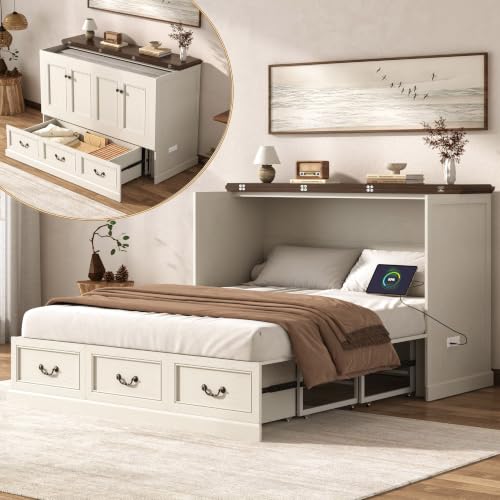
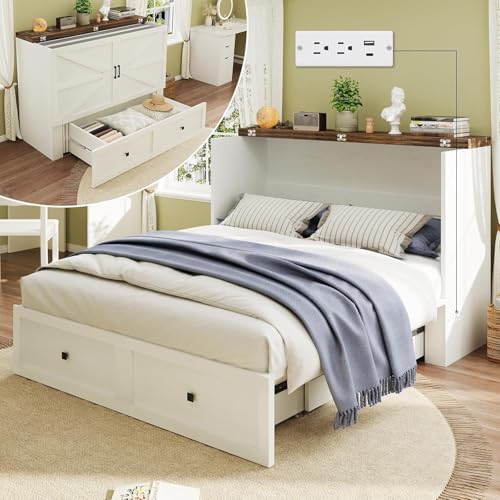
A dresser that turns into a bed is a cleverly designed piece of furniture that functions as a storage unit during the day and converts into a comfortable sleeping surface at night. Also known as a dresser bed frame or murphy dresser bed, it typically features a pull-down or pull-out mechanism that reveals a mattress. These designs are ideal for:
- Guest rooms that need a bed but also serve as home offices or hobby spaces
- Small apartments and studio layouts where every square foot counts
- Children's rooms that require flexible sleeping arrangements for sleepovers
- Multi-purpose rooms where you want to maintain a clean, uncluttered look
Unlike traditional sofa beds or futons, these dresser beds offer generous storage drawers and a sleek aesthetic that blends with any decor. Many models feature high-quality solid wood construction and soft-close hardware, ensuring durability and ease of use. The mattress is typically stored vertically or horizontally within the dresser frame, keeping it clean and protected when not in use.
Key Features of the Best Convertible Dresser Beds
Easy Conversion
Smooth mechanisms allow you to switch from dresser to bed in seconds.
Ample Storage
Multiple drawers provide generous space for clothing, linens, and personal items.
Space Efficiency
Combines two essential functions in one compact footprint, perfect for small spaces.
Types of Dresser-Bed Combos
When shopping for a dresser that turns into a bed, you'll encounter several distinct mechanisms. Understanding the differences will help you choose the best option for your space and lifestyle.
1. Pull-Down (Murphy Style)
These are the most common type. The bed folds down from the front or side of the dresser, similar to a traditional murphy bed. The mattress is stored vertically inside the cabinet, and the dresser drawers remain accessible even when the bed is open. This style is excellent for rooms with standard ceiling heights.
2. Pull-Out (Drawer Bed)
These designs feature a bed that slides out from the bottom of the dresser, similar to a trundle bed. The mattress lies flat in a pull-out tray, and the upper drawers serve as the headboard area. This type is ideal for lower-profile spaces and offers easy access for children and seniors.
3. Flip-Over (Tilt Mechanism)
Less common but highly innovative, these designs use a tilting mechanism where the front panel of the dresser flips over to reveal a bed. The mattress is stored on a hinged platform, and the dresser front doubles as the bed base. This is a great conversation piece and works well in modern interiors.
Comparison of Convertible Dresser Bed Types
| Type | Space Required | Ease of Use | Storage Capacity | Best For |
|---|---|---|---|---|
| Pull-Down (Murphy) | Standard wall clearance | Moderate | High (6+ drawers) | Guest rooms, home offices |
| Pull-Out (Drawer Bed) | Low clearance (floor space) | Easy | Medium (4–6 drawers) | Kids' rooms, studios |
| Flip-Over (Tilt) | Standard wall clearance | Moderate | Medium (4–5 drawers) | Modern interiors, apartments |
How to Choose the Right Dresser That Turns Into a Bed
Selecting the perfect convertible dresser bed requires careful consideration. Here are the essential factors to evaluate before making your purchase:
Size and Dimensions
Measure your space carefully. Consider the dresser's footprint when closed and the bed's dimensions when open. A tall narrow dresser might be ideal for tight spots, while a wider model offers more storage. Standard mattress sizes (Twin, Full, Queen) determine the bed size. Ensure there's adequate clearance for the bed to fully extend.
Material and Build Quality
Look for solid wood dressers or high-quality engineered wood with durable veneers. The mechanism should be made of heavy-duty steel or aluminum. Check for smooth operation, soft-close drawers, and robust hinges. A sturdy dresser ensures safety and longevity, especially when the bed is in use.
Mechanism Quality
Test the conversion mechanism if possible. It should feel smooth and balanced, requiring minimal effort. Counterbalance systems (like spring or gas pistons) are preferable for pull-down models. Read reviews about ease of use and durability, especially for frequent conversions.
Storage Capacity
Evaluate your storage needs. A dresser with deep drawers offers more volume for bulky items. Consider the number and size of drawers, as well as any additional shelves or compartments. Some models include nightstand-style side tables or charging ports for added functionality.
Style and Aesthetics
Choose a design that complements your existing decor. Modern dressers feature clean lines and minimalist hardware, while farmhouse-style dressers offer rustic charm. Color options like white, black, gray, and natural wood finishes are widely available.
Pros and Cons of Dresser-Bed Combos
Advantages
- Exceptional space-saving: two functions in one
- Keeps spare room tidy and multi-purpose
- Ample storage for clothing and linens
- Comfortable sleep surface (better than sofa beds)
- Available in various styles and finishes
Considerations
- Heavier than standard dressers
- Higher initial cost ($800–$2,500+)
- Requires wall clearance for bed opening
- Mattress may not be included
- Professional assembly often recommended
Maintenance and Care Tips
To ensure your convertible dresser bed remains in top condition, follow these maintenance guidelines:
- Regular cleaning: Dust the exterior and drawers with a soft cloth. Use wood cleaner appropriate for your finish.
- Mechanism care: Periodically lubricate hinges and tracks with silicone spray. Keep the mechanism free of dust and debris.
- Mattress care: Use a mattress protector. If stored vertically, ensure it's properly secured. Rotate the mattress occasionally if it's used frequently.
- Drawer maintenance: Check for loose screws or hardware. Avoid overloading drawers to prevent warping or damage.
- Weight limits: Respect the manufacturer's weight capacity for both the bed and drawers.
Frequently Asked Questions
Are dresser beds comfortable?
Yes, when using a quality mattress. Unlike futons, these beds support standard mattresses, offering comfort comparable to a regular bed. Choose a mattress that matches your sleep preferences.
Can I use my own mattress?
Most models are compatible with standard mattress sizes (Twin, Full, Queen). Always check the manufacturer's specifications for mattress thickness and weight limitations.
How much space do I need?
You'll need enough wall clearance for the bed to open fully—typically 80–90 inches in length and width. For pull-down models, ensure the ceiling is high enough to accommodate the bed when vertical.
Are these easy to assemble?
Assembly can be complex due to the mechanism. Professional assembly is often recommended. Many sellers offer delivery and installation services for an additional fee.
If you're looking for other multi-functional furniture, explore our guides on twin bed and dresser sets or dresser bed frame designs. For small spaces, consider dresser closet combos or wall dressers that maximize vertical space.