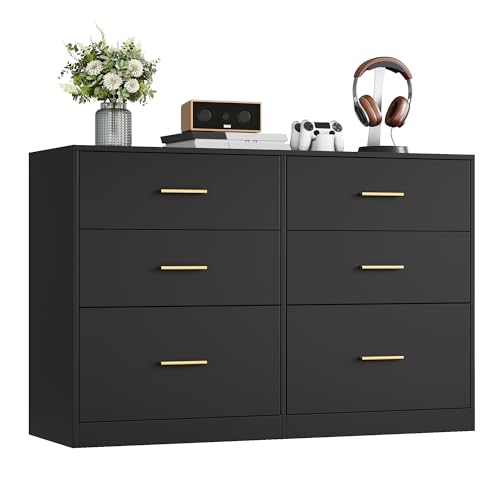
Wood Dressers for Bedroom: The Complete Buying Guide
Wood dressers bring warmth, durability, and timeless character to a bedroom. This guide covers wood types, finishes, sizes, drawer configurations, and maintenance tips so you can choose the right wooden dresser with confidence.
Explore the Full Dresser Buying GuideWhy choose a wood dresser for the bedroom? A wooden dresser is more than storage — it is a long-term investment in bedroom furniture. Wood naturally regulates moisture, ages gracefully, and can be refinished when styles change. Whether you prefer the clean grain of oak or the rich depth of walnut, the right wood dresser can anchor your bedroom layout for years.
Best Wood Types for a Bedroom Dresser
Not all woods behave the same in a bedroom environment. Temperature shifts, humidity, and sunlight affect how a dresser ages. Below is a breakdown of the most common wood types used in bedroom dressers, grouped by market tier and durability characteristics.
Oak Dressers
Oak is heavy, dense, and highly durable. Its prominent grain works well in rustic, farmhouse, and traditional bedrooms. Oak resists wear well, making it a top-tier choice for daily use.
High-End TierWalnut Dressers
Walnut offers rich, dark tones and a smooth finish. It is a premium wood that suits modern and mid-century bedrooms. Walnut is stable and resistant to warping when properly finished.
PremiumMaple Dressers
Maple is hard, uniform, and takes paint well. It is a versatile choice for painted or natural finishes. Maple is an excellent option for a clean, minimalist bedroom look.
Mid-RangeMahogany Dressers
Mahogany is a classic furniture wood with deep reddish-brown tones. It is durable and works well for traditional and luxury bedroom styles. Mahogany dressers often feature fine detailing.
LuxuryPine Dressers
Pine is a softwood with a warm, casual look. It is an entry-level wood that suits cottage and farmhouse bedrooms. Pine can dent more easily, so it works best in low-traffic bedrooms or guest rooms.
Entry-LevelEngineered Wood Dressers
Engineered wood uses layered wood fibers bonded together. It is stable, smooth, and often finished with wood veneer. This is a balanced-tier option for bedrooms where consistent humidity is a concern.
Balanced TierIf you want to explore specific wood materials in more depth, see our guide on dresser quality and construction. For those comparing solid wood against veneered options, the complete dresser buying guide covers the trade-offs in detail.
Wood Finishes for Bedroom Dressers
The finish determines how a wood dresser looks and how well it resists moisture and scratches. In a bedroom, where humidity can fluctuate, the right finish matters.
- Natural oil finish: Brings out the grain and feels warm to the touch. Requires periodic re-oiling but is easy to spot-repair.
- Lacquer finish: Provides a smooth protective layer. Common on mid-range and premium dressers. Resists minor spills well.
- Polyurethane finish: Highly durable and water-resistant. A good choice for bedrooms with children or high daily use.
- Painted finish: Covers the grain and suits white, gray, or black bedroom palettes. Painted wood dressers can be refreshed with a new coat when styles change.
- Stained finish: Enhances the wood tone while keeping the grain visible. Popular for walnut, oak, and mahogany dressers.
For color-specific ideas, see our guides on dresser color ideas and dresser makeover ideas to match your bedroom palette.
Choosing the Right Size Wood Dresser
Size is the most common mistake in dresser buying. A wood dresser that is too large crowds the bedroom, while one that is too small leaves clothes piled on chairs. Use the table below to match dresser width to bedroom size and storage needs.
| Dresser Category | Typical Width | Best For | Drawer Count |
|---|---|---|---|
| Narrow / Tall Wood Dresser | Under 40 inches | Small bedrooms, apartments, guest rooms | 3–5 drawers |
| Standard Wood Dresser | 40–55 inches | Standard bedrooms, couples | 5–6 drawers |
| Wide Wood Dresser | 55–70 inches | Master bedrooms, shared rooms | 6–9 drawers |
| Extra-Wide Wood Dresser | Over 70 inches | Large master suites, walk-in closets | 9+ drawers |
If space is tight, our dresser for small spaces guide and the dresser options for small spaces article provide layout strategies. For walk-in closets, consider a double-sided dresser for walk-in closets for maximum accessibility.
Drawer Configuration and Organization
A wood dresser is only as good as its drawer layout. The right configuration keeps folded clothes, socks, and accessories organized without wasted space.
3-Drawer Wood Dressers
Best for guest rooms or as a secondary dresser. Deep drawers suit bulky knitwear and jeans.
5–6 Drawer Wood Dressers
The most versatile configuration. A mix of shallow and deep drawers handles socks, shirts, and folded trousers.
9+ Drawer Wood Dressers
Ideal for shared bedrooms or people with extensive wardrobes. Often paired with a mirror for grooming.
To get more from your drawer layout, see our dresser organization ideas and the drawer dividers guide. A dresser drawer jewelry organizer is a smart add-on for smaller items.
Matching Wood Dressers to Bedroom Style
Wood tone and shape set the visual tone of a bedroom. Choose a wood dresser that complements the bed frame and other furniture.
- Farmhouse bedroom: Oak or pine dresser with visible grain, paired with painted walls and woven textures.
- Modern bedroom: Walnut or maple dresser with clean lines and minimal hardware.
- Mid-century bedroom: Walnut dresser with tapered legs and brass pulls.
- Traditional bedroom: Mahogany dresser with detailed trim and classic knobs.
- Coastal bedroom: Distressed or whitewashed wood dresser with soft hardware.
For full room inspiration, explore our dresser organization ideas collection and the wood dresser and nightstand set options to create a cohesive bedroom.
Hardware and Customization
Hardware is a small detail that makes a big difference on a wood dresser. The right knobs or pulls can modernize a traditional dresser or soften an industrial one.
Explore our guides on dresser knobs, dresser handles, and the dresser hardware guide. If you are restoring an older piece, our dresser restoration guide covers cleaning, sanding, and refinishing wood.
Wood Dresser Buying Checklist
- Measure the wall space before shopping. Leave at least 30 inches of walking clearance.
- Check drawer slides — full-extension slides make the back of deep drawers usable.
- Verify wood construction — solid wood or high-quality veneer over engineered wood both work well.
- Look for anti-tip hardware — especially important in bedrooms with children.
- Inspect the finish — the finish should be even, smooth, and free of drips or rough patches.
- Confirm drawer capacity — match drawer count and depth to your clothing volume.
- Plan for humidity — wood dressers perform best in bedrooms kept between 40% and 60% humidity.
For a broader framework, see the complete dresser buying guide. If you need help matching a dresser to a specific bed, our dresser and nightstand set collection is a good starting point.
Frequently Asked Questions
What is the best wood type for a bedroom dresser?
Oak, walnut, maple, and mahogany are among the best wood types for a bedroom dresser due to their durability and natural beauty. Oak offers excellent strength and visible grain, walnut provides rich dark tones, maple delivers a smooth uniform look, and mahogany brings classic elegance. The best choice depends on your style preference and the level of durability you need.
Is solid wood better than engineered wood for a bedroom dresser?
Solid wood is generally more durable and can be refinished multiple times, making it a long-term investment. Engineered wood options are typically more stable in humid conditions and offer a smoother finish at a lower entry point. For bedroom use, solid wood is ideal for longevity, while high-quality engineered wood can be a solid choice for balanced tiers.
What size wood dresser fits a standard bedroom?
A standard bedroom dresser typically ranges from 30 to 60 inches wide. For small bedrooms, a narrow or tall wood dresser under 40 inches works well. For master bedrooms, a wide wood dresser between 50 and 70 inches provides ample storage. Always measure your available wall space and leave at least 30 inches of clearance for walking.
How do I maintain a wooden dresser in the bedroom?
Dust your wooden dresser weekly with a soft dry cloth, avoid direct sunlight to prevent fading, and keep it away from radiators and humidifiers. Use a wood-safe polish every few months and wipe up spills immediately. For painted or stained finishes, avoid harsh chemicals and use a damp cloth with mild soap when needed.
Ready to Choose Your Wood Dresser?
Use the guides above to narrow down your wood type, size, and drawer layout — then compare available options to find the right fit for your bedroom.
Read the Complete Buying Guide