Dresser Drawers for Sale: The Complete Buyer's Guide
Everything you need to know before choosing dresser drawers for your bedroom. Compare drawer types, materials, and configurations to find the perfect storage solution for your space.
Explore Recommended OptionsWhy this guide matters: Dresser drawers are the workhorse of bedroom storage. The wrong drawer depth, slide mechanism, or material can leave you frustrated within months. This guide walks you through the key decisions so you can evaluate any dresser drawer set with confidence — whether you are buying new or upgrading an existing piece.
What to Look for in Dresser Drawers
Not all drawers are built the same. The quality of a dresser's drawers determines how long it will last and how pleasant it is to use every day. Before browsing options, focus on four factors: drawer construction, slide mechanism, material, and internal layout. These determine durability, smoothness of operation, and how much usable storage you actually get.
Basic Drawer Boxes
Often made from thinner engineered wood with stapled or glued joints. Suitable for light use and guest rooms, but may loosen over time if overloaded.
Reinforced Construction
Solid wood fronts with dovetail or reinforced corner joints. Smooth metal slides are common at this tier and handle daily use well.
Solid Wood & Soft-Close
Full dovetail joinery, solid hardwood sides, and soft-close or undermount slides. Built for decades of heavy use with a refined feel.
Types of Dresser Drawers
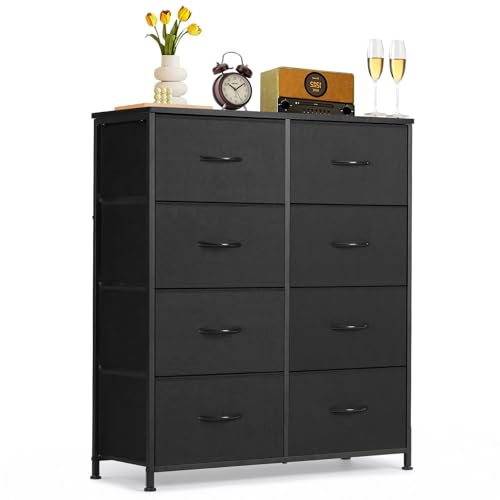
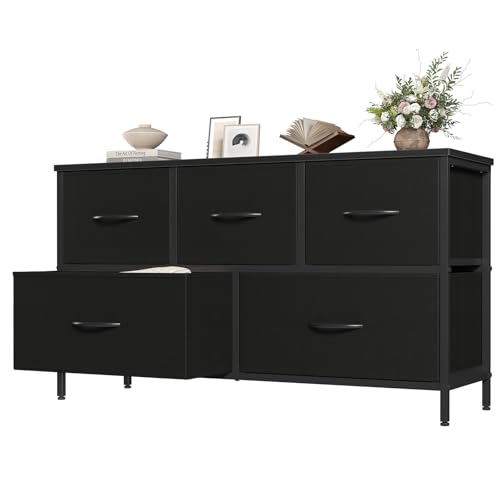
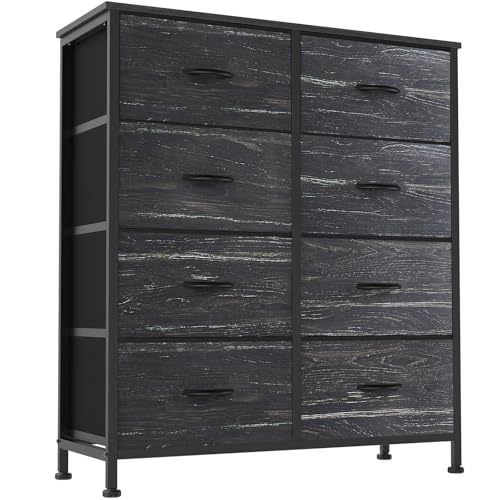
Understanding drawer configurations helps you match a dresser to what you actually store. Deep drawers suit bulky items like sweaters and jeans, while shallow drawers work well for folded shirts, undergarments, and accessories. Many modern dressers combine both within a single unit. If you need to organize small items, consider adding drawer organizers for a more structured layout.
| Drawer Type | Best For | Typical Placement |
|---|---|---|
| Deep drawers (8–10 in) | Sweaters, jeans, bulky knitwear | Lower section of dresser |
| Medium drawers (5–7 in) | Folded shirts, towels, loungewear | Middle section |
| Shallow drawers (3–5 in) | Underwear, socks, accessories, jewelry trays | Top section |
| Split / divided drawers | His-and-hers storage, small item separation | Varies by design |
| Jewelry-lined drawers | Watches, rings, and delicate accessories | Top drawer, often felt-lined |
Materials That Matter
The material of your dresser drawers affects both durability and appearance. Engineered wood (MDF or particleboard) is common at the entry-level tier and offers a uniform finish. Solid wood — pine, oak, maple, or walnut — sits at the mid-range to premium tiers and holds up better to repeated opening and closing. Dovetail joints are a hallmark of premium drawer construction, as they interlock the drawer sides and resist pulling apart under weight.
Drawer Slide Mechanisms
- Center-wood slides: Common on entry-level dressers. Simple and functional, but can stick over time.
- Ball-bearing side slides: Standard at the mid-range tier. Smooth operation and easy to replace if needed.
- Undermount soft-close slides: Found on premium dressers. Concealed, quiet, and self-closing for a refined feel.
- Heavy-duty full-extension slides: Ideal for large or frequently used drawers. Allow the drawer to open completely. See our heavy-duty full-extension drawer slides guide for more detail.
Ready to Compare Dresser Drawer Options?
Browse our curated selection of dresser drawers available online, organized by build quality and intended use so you can find the right fit faster.
View Recommended DressersSize, Fit, and Room Planning
Before committing to a dresser, measure your available wall space and walkway clearance. A dresser that is too deep can block foot traffic, while one that is too wide may crowd a smaller room. As a rule of thumb, leave at least 24 inches of clearance in front of the dresser so drawers can open fully. If your space is limited, explore our guide on dressers for small spaces for layout-friendly options.
Also consider the height relative to your bed. A dresser that sits slightly below mattress height is comfortable to use and visually balanced in most bedrooms. For shared bedrooms, a wider dresser with split drawers can keep two people organized without conflict.
Matching Hardware and Finishes
Drawer hardware is an easy upgrade that transforms the look of a dresser. If you are refreshing an existing piece, swapping dresser knobs or drawer pulls can modernize the design without replacing the entire unit. For a cohesive bedroom, pair your dresser with a matching nightstand set — see our selection of dresser and nightstand sets.
Care and Maintenance Tips
- Dust drawers weekly with a soft cloth to prevent buildup in the tracks.
- Avoid overloading drawers beyond their rated capacity — this strains slides and joints.
- Lubricate metal slides annually with a silicone-based product, not oil.
- Keep dressers out of direct sunlight to prevent finish fading.
- Use felt pads inside jewelry drawers to protect delicate items from scratches.
Frequently Asked Questions
What is the ideal drawer depth for everyday clothes?
A medium drawer depth of 5–7 inches works for most folded clothing. Reserve deeper drawers (8–10 inches) for bulky items like sweaters or jeans, and shallow drawers (3–5 inches) for undergarments and accessories.
Are metal or wood drawer slides better?
Metal ball-bearing slides are more durable and smoother than traditional wood slides. For premium feel, undermount soft-close slides are the top-tier choice. Wood slides remain common on entry-level pieces and are acceptable for light use.
How many drawers do I need?
For a single adult, a 4–5 drawer dresser typically covers daily clothing. Couples often prefer 6–9 drawers or a split-drawer design. Consider your wardrobe volume before choosing a drawer count.
Can I replace drawers in an existing dresser?
Yes, replacement drawers are available for common dresser sizes, though matching exact dimensions and finish can be challenging. Measuring the drawer opening and slide type before ordering is essential.
What is dovetail drawer construction?
Dovetail joinery interlocks the drawer sides with wedge-shaped pins and tails. It is a hallmark of premium construction because it resists pulling apart under weight and lasts far longer than stapled or glued joints.
Buying tip: Always check the drawer's weight rating and slide type before purchasing. A dresser with well-built drawers at the mid-range tier often outperforms a flashier piece with weak construction. Prioritize function over finish.