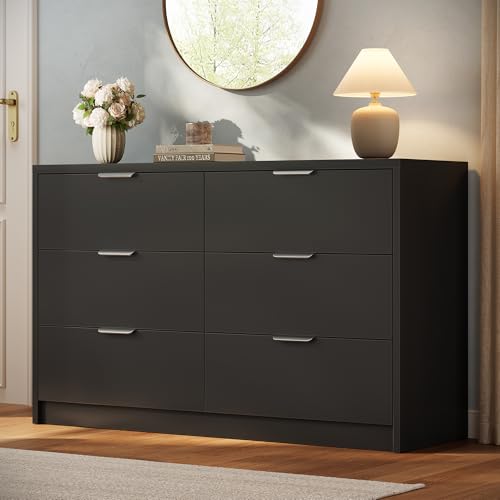
Black Oak Dresser: The Complete Buying Guide
Everything you need to know about choosing, styling, and caring for a black oak dresser. From wood grain character to drawer configurations, this guide helps you make a confident, informed decision for your bedroom.
Why a black oak dresser? Black oak combines the natural texture and durability of oak wood with a dramatic, contemporary finish. The visible grain beneath the dark stain creates depth and character that solid painted furniture cannot replicate. Whether you are furnishing a modern loft, a traditional bedroom, or a compact apartment, a black oak dresser offers a distinctive focal point that balances visual weight with practical storage.
What Makes Black Oak Dressers Different
Oak has long been valued in furniture making for its hardness, density, and prominent grain pattern. When finished in black, the wood takes on a refined, moody character. The open grain of oak absorbs stain differently than closed-grain woods, producing a finish where light catches the natural texture and creates subtle variations across each drawer front. This is why no two black oak dressers look exactly alike.
The construction method matters as much as the finish. A black solid wood dresser built from oak will develop a patina over time, with edges softening slightly and the grain deepening in character. Engineered wood with an oak veneer offers a more uniform appearance at a lower entry point, while solid oak construction represents a long-term investment that can be refinished or repaired decades later.
Visible Grain Texture
Oak's open grain remains readable through black finishes, giving each piece depth and tactile appeal that painted surfaces lack.
Dense, Hard Wood
Oak ranks high on the Janka hardness scale, making it resistant to dents, scratches, and everyday wear in busy bedrooms.
Versatile Styling
Black oak bridges modern and traditional aesthetics, working equally well with brass hardware, matte black pulls, or no hardware at all.
Long-Term Durability
Solid oak construction holds screws and joinery firmly, resisting the drawer sag and wobble that affect softer woods over time.
Black Oak Dresser Styles and Configurations
The style of your black oak dresser should reflect both your room's architecture and your storage habits. Below are the most common configurations and the spaces they suit best.
Modern and Minimalist
A black wood dresser with clean lines, flat drawer fronts, and integrated handles suits contemporary bedrooms. Look for designs with little to no ornamentation, where the oak grain provides the only visual texture. These pieces often feature soft-close drawer slides and slim metal legs that create a floating effect, making small rooms feel more open.
Mid-Century Inspired
The black mid-century modern dresser draws on tapered legs, angled drawer pulls, and a low, horizontal profile. These designs pair well with walnut nightstands, textured rugs, and warm lighting. Mid-century black oak dressers often include a mix of drawer sizes, with smaller top drawers for accessories and deeper lower drawers for folded clothing.
Traditional and Transitional
A black wood dresser with mirror brings a classic bedroom aesthetic into the present. Ornate hardware, bracket feet, and framed drawer fronts characterize this style. Black oak softens the formality of traditional designs, making them suitable for modern farmhouse, transitional, and even eclectic interiors.
Tall and Narrow vs. Wide and Low
A black tall dresser with deep drawers maximizes vertical storage in rooms with limited floor space, while a black wide dresser provides generous surface area for display and doubles as a console in larger bedrooms. Consider the flow of your room: a tall dresser works well beside a closet door, while a wide dresser anchors a wall beneath a window or artwork.
How to Evaluate Quality Across Tiers
Black oak dressers span a range of construction quality. Understanding the tier you are shopping in helps you set realistic expectations and identify where manufacturers invest their resources. The table below describes what to look for at each level without referencing specific figures.
| Market Tier | Construction Focus | Best For |
|---|---|---|
| Entry-Level | Oak veneer over engineered wood, basic drawer slides, staple-and-glue joinery | Guest rooms, first apartments, seasonal use where the dresser receives light daily handling |
| Mid-Range | Solid oak fronts with engineered wood cases, ball-bearing slides, dowel-and-screw joinery | Primary bedrooms, daily-use furniture for couples, spaces where the piece anchors the room |
| Premium | Solid oak throughout, dovetail drawer boxes, soft-close undermount slides, kiln-dried lumber | Long-term family furniture, homes where the dresser will be moved between rooms |
| Luxury | Hand-selected quarter-sawn oak, mortise-and-tenon joinery, custom hardware, hand-rubbed finishes | Custom interiors, collector-grade furniture, spaces where the dresser serves as a statement piece |
Within each tier, inspect the drawer action first. A mid-range dresser with well-tuned slides often outperforms a premium unit with poorly aligned glides. Check that drawer fronts sit flush when closed and that the case does not rack when you push on opposite corners. These signs reveal more about real-world durability than the label on the sales tag.
Quality Checklist Before You Decide
- Open and close every drawer several times — listen for scraping or rattle
- Check that drawer bottoms are supported by more than staples or brad nails
- Look for dust panels between drawers to keep clothing clean
- Verify that the back panel is attached firmly and sits square
- Feel the finish for even coverage — patches of thin stain reveal cheap preparation
- Confirm that hardware screws seat firmly and are not stripped
- Measure the depth of the drawers — deep drawers store bulky items but waste space for folded clothing
Sizing Your Black Oak Dresser
Proportion matters more than any single measurement. A black oak dresser that overwhelms a small room creates visual clutter, while an undersized unit leaves the wall looking unfinished. As a starting point, measure the wall where the dresser will stand and leave at least 12 inches of clearance on each side for circulation. In a compact bedroom, a black small dresser for bedroom keeps the footprint manageable while still offering three or four drawers of storage.
For couples sharing a room, a black long dresser for bedroom arrangements provides side-by-side drawer access without conflict. If your closet is limited, consider a black tall narrow chest of drawers as a second storage unit in a hallway or alcove.
Practical tip: Tape out the dresser footprint on your floor before shopping. Walk around the tape for a few days. This simple step reveals whether the size feels natural in your room and prevents the most common furniture-buying regret: a piece that fits the wall but not the life around it.
Styling a Black Oak Dresser
Black oak is a forgiving finish that supports many decorative directions. The key is balancing the visual weight of dark furniture with lighter elements nearby.
Hardware Swaps
Change the character of your dresser instantly with new pulls. Black knobs for dresser drawers create a seamless monochrome look, while brass or bronze hardware adds warmth and contrast against the dark oak.
Mirror Placement
A black mirrored dresser or a standalone mirror above the unit amplifies light and reflects the room's lighter tones, preventing the dresser from feeling heavy against a wall.
Bedroom Set Coordination
Pair your black oak dresser with a black nightstands set of 2 to establish a cohesive bedroom palette, or mix in a black metal dresser for a layered, industrial edge.
Textile Contrast
Use light-colored runners, ceramic lamps, and natural fiber baskets on top of the dresser. These softer elements keep the dark oak from dominating the room and add tactile variety.
Care and Maintenance
Black oak dressers are forgiving but not indestructible. Dust weekly with a microfiber cloth to prevent grit from dulling the finish. Avoid silicone-based polishes, which can build up and create a cloudy film over time. A slightly damp cloth followed by a dry buff handles most marks.
Keep the dresser out of direct sunlight, particularly near windows where ultraviolet exposure can fade or shift the finish unevenly. In dry climates, a humidifier set to 40–50 percent relative humidity helps prevent the oak from drying and cracking at the joints. If a drawer begins to stick, rub a paraffin block or candle stub along the runner rather than applying oil, which attracts dust.