Black Dresser and Two Nightstands: Your Complete Buyer's Guide
A matched black dresser and two nightstands set creates a cohesive, elegant bedroom. Learn how to choose the right size, finish, drawer quality, and layout before you commit.
Why Choose a Black Dresser and Two Nightstands Set
A coordinated bedroom set removes the guesswork from furniture shopping. Instead of hunting for a dresser that happens to match nightstands you already own, a three-piece black set gives you a unified look from day one. Black is one of the most versatile anchor colors in bedroom design: it reads as modern in a minimalist room, dramatic in a glam setting, and grounded in a rustic or farmhouse space.
Beyond aesthetics, buying a matched set solves several practical problems. Drawer heights, hardware finishes, and wood tones are already harmonized, so there is no risk of mismatched tones under different lighting. Delivery and assembly are also simpler because the pieces are designed to be handled together.
If you prefer a slightly softer palette, a grey dresser collection offers a similar coordinated look with less visual weight. But for bedrooms that need definition and contrast, black remains the strongest choice.
Key takeaway: A matched black dresser and two nightstands set is the fastest route to a cohesive bedroom. The main decisions are size, finish type, and drawer quality — not whether the pieces will look good together.
Understanding the Three-Piece Configuration
A standard three-piece set includes one dresser and two matching nightstands. The dresser is typically the largest piece and serves as the primary clothing storage, while the nightstands flank the bed for essentials like lamps, books, and a phone. This configuration works in most primary bedrooms, guest rooms, and even larger teen rooms.
What the Dresser Provides
The dresser in a three-piece set usually carries the bulk of folded clothing storage. Depending on the model, expect between five and eight drawers. Deeper bottom drawers are common and useful for bulky items like sweaters or linens. If you need more capacity, consider a large dresser with lots of drawers as an upgrade within the same style family.
What the Nightstands Provide
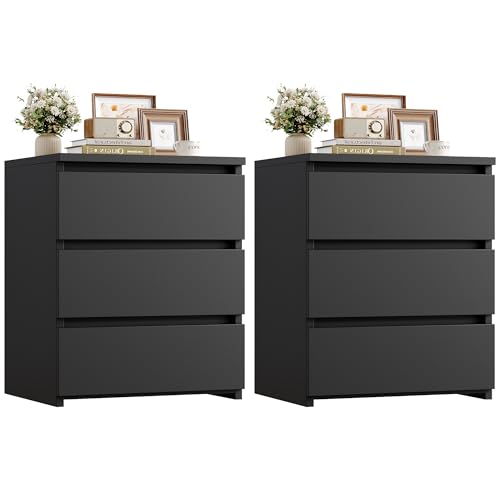
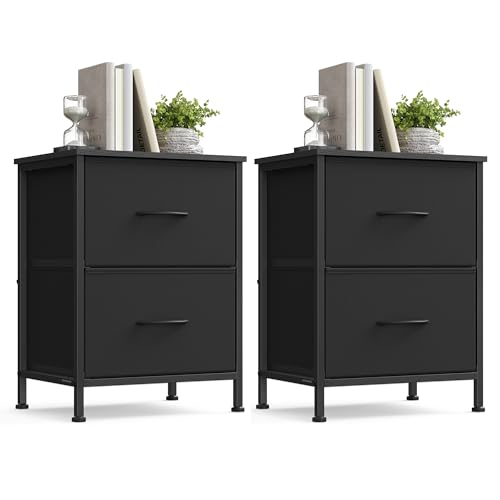
Nightstands in these sets are usually one- or two-drawer units, sometimes with an open shelf or cubby. They are sized to sit comfortably beside a queen or king bed without crowding the sleep area. Matching nightstands keep the visual rhythm of the room symmetrical, which is especially important in bedrooms with a centered bed.
When a Three-Piece Set Makes Sense
- You are furnishing a bedroom from scratch and want a unified look.
- You have a centered bed with equal space on both sides.
- You prefer a single delivery and one assembly session.
- You want hardware and finishes that are guaranteed to match.
If your room is asymmetrical or you only have space for one bedside table, a black bedside dresser paired with a standalone dresser may be more practical. And if you want a more glamorous look, a black and gold dresser and nightstand set adds metallic accents without breaking the coordinated theme.
Sizing Your Dresser and Nightstands
Size is the most common source of buyer's remorse in bedroom furniture. A dresser that looks proportionate in a showroom can overwhelm a small bedroom, and nightstands that are too tall can block wall outlets or look awkward beside a low platform bed. Measure twice before ordering.
Dresser Width and Height
For a primary bedroom, a dresser between 48 and 72 inches wide is typical. Wider dressers offer more drawer surface but require more wall space. If your wall is tight, a 48-inch wide chest of drawers balances capacity with a smaller footprint. For larger rooms, a 72-inch wide dresser provides generous storage and a substantial visual anchor.
Nightstand Height Relative to the Bed
The top of each nightstand should sit within a few inches of the mattress top. If the nightstand is much lower, reaching for a lamp or phone becomes awkward; if it is much higher, the bed looks sunken. Measure your mattress height from the floor, then add your box spring if applicable. Standard nightstand heights range from 22 to 28 inches, but platform beds and low-profile frames may call for shorter units.
Clearance and Walkways
- Leave at least 24 inches of walking space between the foot of the bed and the dresser.
- Keep 18 to 24 inches between each nightstand and the side of the bed for easy access.
- Allow 3 to 4 inches of clearance behind the dresser for cables, ventilation, and wall protection.
- Confirm that drawers can fully extend without hitting the bed frame or a wall.
Pro tip: Use painter's tape to outline the dresser and nightstand footprints on your floor before ordering. This simple step prevents most sizing mistakes and helps you visualize walkways.
Black Finishes and Materials Explained
"Black" is not a single finish. The way black is applied — and the material underneath — affects durability, sheen, and how the piece reads in a room. Understanding the differences helps you choose a set that matches your maintenance preferences and design style.
Painted Black Finishes
Painted finishes offer a smooth, opaque look and are common in modern and farmhouse designs. Quality varies widely: a well-sealed paint finish resists chipping, while thinner finishes may show wear around high-touch areas like drawer fronts. A dresser with painted finish is a good reference point for understanding how these surfaces are described and maintained.
Lacquered Black Finishes
Lacquer produces a deeper, glossier black with a reflective quality. It suits contemporary and art deco-inspired bedrooms. Lacquered surfaces show fingerprints more readily than matte finishes, so they need more frequent wiping. If you love the polished look, explore lacquered dressers to see how this finish is typically specified.
Stained and Espresso-Toned Woods
A black-stained wood finish preserves visible grain while darkening the surface. This approach works well in rustic and transitional bedrooms because it retains the texture of the wood. Espresso tones are a close cousin of true black and often appear in sets that include a dark brown dresser and nightstand set, which can read as near-black in low light.
Engineered Wood and Solid Wood
Engineered wood is stable, consistent, and common in mid-range sets. Solid wood offers long-term durability and can be refinished. If longevity is your priority, read about engineered wood dressers to understand where they perform well and where solid wood remains superior. For a deeper material comparison, our solid wood dresser guide covers construction details that apply across drawer counts.
Drawer Construction and Hardware Quality
Drawers are the part of a dresser you interact with every day. A beautiful black finish cannot compensate for sticky, flimsy drawers. When evaluating a set, focus on the drawer box, the slides, and the hardware.
Drawer Box Construction
- Dovetail joints: Interlocking joints at the drawer corners signal higher-grade construction and long-term durability.
- Stapled or glued boxes: Common in entry-level sets; acceptable for light use but more prone to loosening over time.
- Bottom panel thickness: A thicker drawer bottom resists sagging under heavy loads like denim or linens.
- Drawer depth: Deep drawers are ideal for bulky clothing; shallow drawers suit accessories and folded shirts.
Drawer Slides
Basic metal slides get the job done, but upgraded options improve daily use. Soft-close slides prevent slamming and reduce wear. Full-extension slides let you reach the back of the drawer easily. If these features matter to you, review the specifications for heavy-duty soft-close drawer slides and full-extension drawer slides before comparing sets.
Hardware and Knobs
Black sets often use contrasting hardware to add visual interest. Matte black knobs create a monochrome look, while brushed gold or brass pulls add warmth. If you plan to customize later, check that the drawer fronts accept standard pull spacing. Our guide to dressers with black hardware shows how hardware choices change the character of a black piece.
Quality Tiers: Entry-Level to Luxury
Black dresser and nightstand sets span a wide range of construction quality. Rather than focusing on numeric figures, use these universal tier descriptors to compare sets on relative market position and build quality.
| Tier | Typical Construction | Best For |
|---|---|---|
| Entry-level | Engineered wood, stapled drawer boxes, basic metal slides, painted finish | Guest rooms, first apartments, short-term furnishing |
| Mid-range | Engineered or mixed wood, reinforced drawer boxes, smooth slides, sealed painted or stained finish | Primary bedrooms, daily-use family homes |
| Premium | Solid wood or high-grade engineered wood, dovetail joints, soft-close slides, durable lacquer or stain | Long-term primary bedroom use, design-focused rooms |
| Luxury | Solid hardwood, hand-finished surfaces, premium hardware, full-extension soft-close mechanisms | High-end interiors, heirloom-quality furnishing |
Entry-level sets are perfectly functional for light use, but mid-range models typically offer smoother drawer mechanisms and better-sealed finishes that hold up longer. Premium and luxury tiers focus on joinery, material density, and hardware refinement. The right tier depends on how heavily the furniture will be used and how long you plan to keep it.
How to compare: Within any tier, prioritize drawer slide smoothness and finish durability. These two factors affect daily satisfaction more than any other specification.
Bedroom Layout and Placement Tips
Where you place the dresser and nightstands affects both function and visual balance. A few layout principles apply to nearly every bedroom.
Nightstand Placement
- Center the bed on the wall first, then position nightstands equidistant from the bed frame.
- Keep nightstand tops clear enough for a lamp, a book, and a charging cable.
- If outlets are behind the nightstands, choose units with open backs or cutouts for cable routing.
Dresser Placement
- Place the dresser on a wall that allows full drawer extension without obstruction.
- A dresser facing the bed can work as a visual anchor, but avoid blocking natural walkways.
- In smaller rooms, a small dresser for the bedroom may fit better than a full-width unit.
- Consider a dresser with TV stand capability if you want dual-purpose furniture.
Combining with Other Black Pieces
A black dresser and nightstand set can anchor a larger black-and-wood scheme. If your bed frame is also black, keep at least one other material — wood flooring, a light rug, or fabric headboard — to prevent the room from feeling heavy. Our collection of black bedroom furniture sets illustrates how different combinations of black pieces interact.
Styling a Black Bedroom Set
Black furniture is a strong base, and the styling choices around it determine whether the room feels moody, modern, or cozy. A few simple rules keep the look intentional.
Contrast and Texture
Balance dark furniture with lighter textures: linen bedding, a woven rug, or a light-colored wall. Contrast prevents black from feeling flat. Metallic accents — especially gold or brass — add warmth and are a natural pairing for black finishes.
Lighting
Black surfaces absorb light, so bedrooms with black furniture benefit from layered lighting: bedside lamps, a ceiling fixture, and perhaps a floor lamp. Warm-toned bulbs (around 2700K) soften the look and make black furniture feel inviting rather than stark.
Accessories and Display
Use the dresser top deliberately. A tray for small items, a framed print, and a plant or sculptural object create a composed vignette. Avoid overcrowding: black surfaces show clutter more clearly than lighter finishes.
Matching a Mirror
If you want a traditional bedroom look, a matching mirror can be attached to the dresser. Explore black dresser with mirror options to see how a mirror changes the proportions of the piece. Mirrors also help brighten rooms with dark furniture.
Pre-Purchase Checklist
Before you order a black dresser and two nightstands set, run through this checklist to avoid the most common mistakes.
- Measure the wall: Confirm the dresser width plus 3 inches of clearance on each side.
- Measure the mattress height: Match nightstand height to the top of your mattress.
- Check drawer extension space: Ensure drawers open without hitting the bed or walls.
- Verify outlet access: Confirm nightstands will not block wall outlets.
- Review drawer slides: Look for soft-close or full-extension features if daily use matters.
- Confirm finish type: Decide between painted, lacquered, or stained black based on maintenance preferences.
- Check assembly requirements: Some sets ship flat-packed; confirm tools and time needed.
- Plan delivery access: Measure doorways and stairwells against the largest box dimensions.
Ready to Compare Black Dresser Sets?
Browse curated options below to find the right three-piece set for your bedroom's size, style, and storage needs.
Explore OptionsFrequently Asked Questions
Should the dresser and nightstands match exactly?
A matched set is the easiest way to guarantee a cohesive look, and it is the standard for three-piece bedroom sets. However, a deliberately mixed approach — for example, a black dresser with wood nightstands — can work well in eclectic or transitional rooms. The key is to repeat at least one element, such as hardware finish or drawer style, across the pieces.
How tall should nightstands be next to a queen bed?
Nightstand tops should sit within a few inches of the mattress top. For a standard queen bed with a box spring, this often means a nightstand height of 24 to 28 inches. Platform beds and low-profile frames may need shorter nightstands. Always measure from the floor to the top of your mattress before choosing.
Is black furniture suitable for small bedrooms?
Yes, with the right styling. Black furniture can make a small room feel grounded and intentional. To prevent a cramped feeling, pair black pieces with light walls, a light rug, and layered lighting. Avoid placing too many black pieces in a tight space; one matching set plus a lighter bed frame usually balances well.
What is the difference between painted black and stained black?
Painted black is opaque and covers the wood grain, producing a smooth, uniform surface. Stained black darkens the wood while preserving visible grain, giving a more textured, natural look. Painted finishes suit modern and farmhouse styles; stained finishes suit rustic and transitional interiors.
How many drawers should a dresser in a three-piece set have?
Most dressers in three-piece sets have between five and eight drawers. Five to six drawers suit a single adult or a guest room. Seven to eight drawers are better for couples or for rooms where the dresser holds most of the folded clothing. Nightstands add one or two drawers each for bedside essentials.
Do black dresser sets show dust more than lighter finishes?
Black finishes can show dust and fingerprints more visibly than light wood tones, especially on glossy or lacquered surfaces. Matte and stained finishes are more forgiving. Regular dusting with a microfiber cloth keeps black furniture looking sharp with minimal effort.