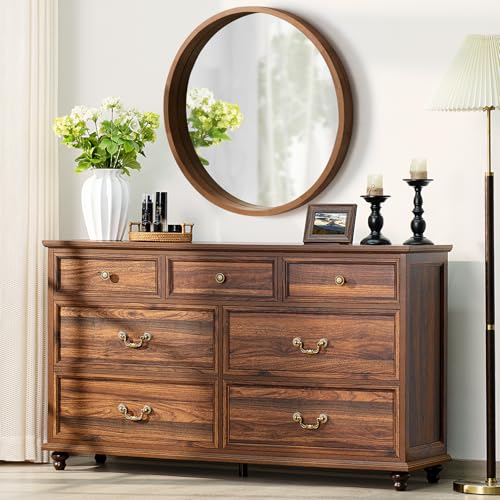
Antique Dressers: A Buyer’s Guide to Styles, Value & Craftsmanship
Learn how to identify genuine antique dressers, evaluate their condition and value, and choose a timeless piece that adds character and functionality to your home.
An antique dresser is more than just a place to store clothes—it’s a piece of history, a work of craftsmanship, and a statement of personal style. Whether you’re a seasoned collector or a first-time buyer, understanding the nuances of antique furniture can help you make a wise investment. This guide covers the most popular antique dresser styles, how to assess their value, key features to inspect, and where to find authentic pieces.
💡 Did you know? Antique dressers are generally defined as pieces that are at least 100 years old. Items between 50 and 100 years old are considered “vintage.” True antiques often feature dovetail joints, solid wood construction, and hand-carved details that mass-produced furniture lacks.
Popular Antique Dresser Styles
Antique dressers come in a variety of styles, each reflecting the design trends and craftsmanship of its era. Recognizing these styles can help you identify the period and potential value of a piece.
Victorian (1837–1901)
Ornate, dark wood (walnut, mahogany), often with heavy carvings, turned legs, and marble tops. Mahogany wood chest of drawers is a classic example of Victorian richness. Expect elaborate hardware and a commanding presence.
Art Deco (1920s–1930s)
Geometric shapes, bold lines, exotic woods (ebony, rosewood), and chrome or glass accents. Art Deco dressers often feature sleek, stepped designs and contrasting veneers.
Mid-Century Modern (1940s–1960s)
Clean lines, tapered legs, warm teak or walnut veneers, and organic shapes. Mid-century modern 6-drawer dressers are highly sought after for their timeless appeal and functional design.
French Provincial (18th–19th Century)
Curved, cabriole legs, ornate brass hardware, and painted or distressed finishes. French Provincial dressers bring a touch of rustic elegance to any bedroom.
How to Assess Value & Authenticity
When evaluating an antique dresser, consider these key factors that influence its value and authenticity. A genuine antique will have signs of age and quality construction that are hard to replicate.
- Construction: Look for dovetail drawers—a hallmark of quality. Hand-cut dovetails are often irregular and indicate age. Also check for wooden pegs, mortise-and-tenon joints, and solid wood panels.
- Wood Type: Mahogany, walnut, oak, and cherry are common in antiques. Dark oak dressers and antique dressers with mirror are particularly prized.
- Hardware: Original brass or porcelain knobs and pulls add value. Dresser hardware guide can help you identify period-appropriate pieces.
- Provenance: A documented history or maker’s mark can significantly increase value. Look for labels, stamps, or signatures inside drawers.
- Condition: Original finish and minor wear are acceptable; heavy damage, replaced parts, or over-refinishing can diminish value.
What to Look For When Buying
Shopping for an antique dresser requires patience and a keen eye. Here are practical tips to help you find a piece that is both beautiful and functional:
✅ Inspect the Structure
Check for stability—no wobbling. Open and close each drawer; they should glide smoothly without sticking. Look for original dresser hardware and functional locks.
✅ Examine the Finish
A patina that comes with age is desirable. Avoid pieces that have been heavily sanded or refinished, as this can reduce value. Dresser makeover ideas can help if you plan to restore.
✅ Consider the Size
Antique dressers come in various sizes. For smaller rooms, look for small wood dressers for bedroom spaces, or opt for tall dressers with sliding doors for vertical storage.
✅ Know the Market
Prices vary widely. Compare similar pieces online, and don’t be afraid to negotiate. Set a budget and stick to it.
Caring for Your Antique Dresser
Once you’ve found the perfect antique dresser, proper care will preserve its beauty and value for generations. Follow these simple guidelines:
- Clean gently: Use a soft, dry cloth to remove dust. Avoid harsh chemicals or abrasive cleaners.
- Control humidity: Keep the dresser away from direct sunlight, radiators, and damp areas to prevent warping or cracking.
- Polish sparingly: Use a high-quality furniture wax or polish designed for antique wood. Over-polishing can build up and dull the finish.
- Handle with care: When moving, lift rather than drag to avoid stressing joints. Use felt pads under heavy objects on top.
Is an Antique Dresser Right for You?
An antique dresser is an investment in quality, history, and style. It can be the centerpiece of a bedroom, a conversation starter, and a functional storage solution. Whether you are drawn to the ornate details of Victorian design or the clean lines of mid-century modern, there is an antique dresser that reflects your personal taste.
Ready to start your search? Explore our curated recommendations below to find a range of antique and vintage-inspired dressers that combine timeless charm with modern convenience.