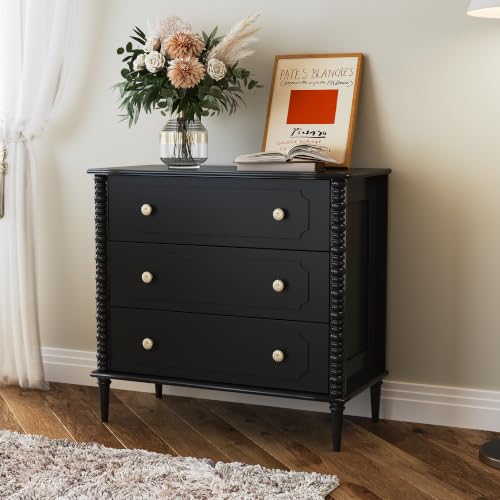
Antique 3 Drawer Dresser: A Timeless Storage Piece
Discover the elegance and history of a 3-drawer antique dresser. Our complete guide helps you find the perfect piece, understand its value, and care for it for years to come.
Start Your JourneyWhy Choose an Antique 3 Drawer Dresser?
An antique 3 drawer dresser is more than just a piece of furniture; it's a statement of style, history, and enduring quality. Unlike mass-produced modern dressers, these pieces were crafted with meticulous attention to detail, using solid woods and traditional joinery techniques that have stood the test of time. A 3-drawer dresser offers a compact and versatile storage solution, ideal for a variety of rooms, from the bedroom and nursery to an entryway or living room.
When you buy an antique dresser, you are acquiring a piece with a past. Each scratch, patina, and unique hardware detail tells a story. This guide will walk you through everything you need to know about finding, evaluating, and styling your very own antique 3 drawer dresser.
💡 Key Insight: The "3 drawer" format is a hallmark of classic antique design. It provides balanced storage: a top drawer for smaller items like jewelry or accessories, and two deeper drawers for clothing or linens. This makes it a perfect small chest of drawers for the bedroom or a versatile piece for any room.
How to Identify a Genuine Antique 3 Drawer Dresser
Navigating the world of antiques can be daunting, but knowing a few key indicators can help you distinguish a true antique from a reproduction. When inspecting a potential purchase, keep an eye out for these telltale signs of authenticity and age.
Construction and Joinery
One of the most reliable ways to date a piece is by examining its construction. Antique dressers were built to last, often using dovetail joints for drawer construction. Look for hand-cut dovetails, which typically have irregular spacing and varying widths, a clear sign of pre-industrial craftsmanship. In contrast, machine-cut dovetails, which are uniform and precise, usually indicate a more modern piece from the 20th century or later.
Wood Type and Patina
The wood used is another crucial clue. Common woods for antique dressers include oak, mahogany, walnut, and cherry. Over time, natural wood develops a rich patina—a soft, warm glow that is impossible to replicate artificially. Examine the drawers and back of the piece for the original, unfinished wood, which can give you a clear idea of the material used.
Hardware
The knobs, pulls, and hinges are often original and can be a significant indicator of the era. Antique hardware is typically made of solid brass, bronze, or iron, and shows signs of age like a natural tarnish or wear. Be wary of shiny, modern-looking hardware on a piece that is supposed to be old; it may be a reproduction or have been replaced.
For those interested in different styles, exploring the vintage-style dresser category can offer similar aesthetics with modern convenience. You can also learn more about the antique chest of drawers to see how it compares.
Popular Styles and Eras
Victorian (1837-1901)
Victorian dressers are known for their ornate detailing, dark woods like mahogany and walnut, and heavy, substantial builds. Look for elaborate carvings, curved lines, and often a marble top. A Victorian dresser is a statement piece that commands attention and adds a touch of grandeur to any room.
Georgian (1714-1837)
Georgian furniture is characterized by its elegant proportions, graceful curves, and use of rich woods like mahogany. This style often features simple, refined hardware and a focus on symmetry and balance. It offers a sophisticated look for those seeking a classic aesthetic.
Art Deco (1920s-1930s)
For a more modern antique, consider the Art Deco style. Known for its geometric shapes, sleek lines, and use of exotic woods and metallic accents, an Art Deco dresser offers a touch of glamour and sophistication. It's a bold choice for a contemporary home.
Mid-Century Modern (1940s-1960s)
While not as old as others, Mid-Century Modern pieces are increasingly considered antiques. They feature clean lines, organic shapes, and a blend of wood with materials like fiberglass and metal. A vintage mid-century modern dresser brings a functional and iconic style to any space.
Your Ultimate Antique 3 Drawer Dresser Buying Guide
Purchasing an antique is an investment. This guide provides a structured approach to help you navigate the market, assess value, and make a confident purchase, whether you are a seasoned collector or a first-time buyer.
1. Condition and Authenticity
Carefully assess the dresser's condition. While some wear is expected and even adds to the charm, check for structural damage like broken joints, warped wood, or extensive water damage. A piece that needs significant restoration may not be a good value unless you are looking for a dresser makeover project.
2. Wood and Material Quality
Examine the wood quality. Solid wood, especially from a single plank, is more valuable and durable than veneered or glued pieces. Look at the back and interior of the drawers to confirm it is solid wood. Pieces made from high-quality hardwoods like oak and walnut are generally excellent investments.
You may also want to consider other materials for a similar look, such as a solid pine dresser, which offers a different aesthetic and price point.
3. Provenance and Maker
If possible, research the piece's provenance. Knowing who made the dresser and its history can significantly increase its value. Look for maker's marks, labels, or stamps that can help you identify the origin. Consulting an expert or antique appraiser can be a wise step for high-value purchases.
4. Pricing and Value
Antique prices can vary widely based on factors like age, rarity, condition, and demand. For a quality antique 3 drawer dresser, you can expect to pay anywhere from $800 to $2,500 or more, depending on the style and maker. Researching recent sale prices for comparable pieces can help you gauge a fair price.
For those looking for a more budget-friendly option while still getting a classic look, consider exploring a vintage wood dresser.
Styling Your Antique 3 Drawer Dresser
An antique dresser is a versatile piece that can be styled in countless ways to fit your home's aesthetic. Here are a few ideas to inspire you:
- As a Statement Piece: Let the dresser be the focal point of the room. Keep the top clutter-free with just a few carefully chosen items, like a lamp, a small vase, or a framed photo.
- For Display: Use the top surface to display a collection of decorative items, such as vintage books, antique clocks, or a beautiful mirror. This adds personality and a curated feel to your space.
- Practical Storage: In an entryway, it can serve as a drop zone for keys and mail. In a bedroom, it's ideal for storing undergarments, socks, or accessories. In a nursery, a 3-drawer dresser can perfectly complement a crib and dresser set, providing storage for baby clothes and diapers.
- Mix of Old and New: Pair your antique dresser with modern decor to create an eclectic and interesting look. The contrast between the old-world charm of the dresser and contemporary art or lighting can be visually striking.
Caring for Your Antique Dresser
Proper care is essential to preserve the beauty and value of your antique 3 drawer dresser. Here are some maintenance tips to keep it looking its best:
- Dust Regularly: Use a soft, dry cloth to dust the surface and details. Avoid using feather dusters or rough cloths that could scratch the finish.
- Avoid Harsh Cleaners: Never use strong chemical cleaners, furniture polish with silicone, or water-based products, as these can damage the wood's patina.
- Protect from Sunlight: Prolonged exposure to direct sunlight can fade the wood and finish. Place your dresser away from windows or use curtains and blinds to filter the light.
- Humidity Control: Wood expands and contracts with changes in humidity. Keep the dresser in a room with a stable humidity level to prevent cracking or warping.