White Dresser with Black Accents: A Bold Contrast Buying Guide
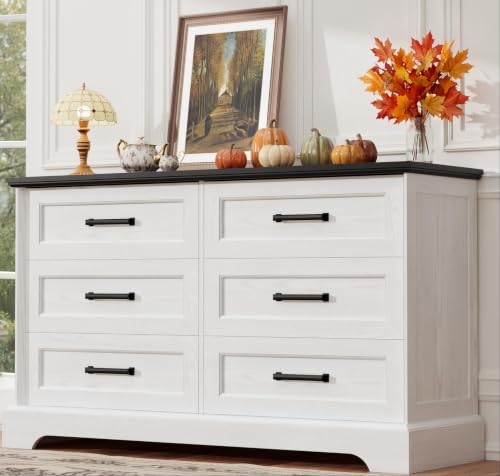
A white dresser with black accents is one of the most dependable ways to give a bedroom a sharper, more intentional look. The white body keeps the room airy and bright, while black hardware, legs, trim, or a dark top create definition and visual weight. The result is a piece that reads modern without feeling cold, and structured without feeling heavy.
If you have already decided that contrast is the direction you want, the remaining questions are practical ones: which accent type suits your room, what materials hold up over time, and how do you match the dresser to the rest of your bedroom? This guide walks through those decisions in order, so you can move from research to a confident shortlist.
Quick answer: Choose a white dresser with black accents when you want a crisp, contemporary focal point that still blends with neutral walls. Prioritize satin or matte black hardware for daily durability, confirm the drawer glide system before committing, and match the dresser width to roughly two-thirds of the wall it will occupy.
Why the White-and-Black Combination Works
White and black is the highest-contrast neutral pairing available, which is exactly why it reads as deliberate rather than accidental. A white dresser on its own can visually dissolve into pale walls; adding black accents anchors the piece and gives the eye a place to land. The contrast also makes drawer lines and hardware easier to see, which helps a dresser feel organized even when it is full.
From a styling standpoint, black accents are forgiving. They pair naturally with wood tones, warm textiles, brass, and brushed metals, so the dresser does not lock you into a single palette. If your bedroom already uses black window frames, a black bed frame, or dark curtain rods, the dresser will feel like part of a coherent scheme rather than an isolated purchase.
The Main Types of Black Accents
Not every white dresser with black accents uses contrast in the same way. Understanding the accent type helps you predict how the piece will age and how much visual weight it will add to the room.
Hardware-Led Contrast
This is the most common and most flexible approach: a white cabinet body with black knobs, bar pulls, or cup handles. Hardware-led contrast is subtle at a distance and sharp up close, which makes it suitable for both minimalist and transitional bedrooms. It is also the easiest version to change later, since swapping hardware is a straightforward upgrade. If you want a softer version of the look, a white dresser with black knobs keeps the contrast concentrated on small round details.
Frame and Leg Contrast
Here the black appears on the base, legs, or outer frame while the drawer fronts stay white. This creates a floating effect and adds architectural structure. It suits mid-century and Scandinavian-inspired rooms particularly well, where visible legs are part of the design language.
Top and Trim Contrast
A darker top, edge banding, or trim detail introduces contrast at the horizontal plane. This version feels slightly more formal and works well in bedrooms with wood flooring, since the dark top echoes other timber elements. It also protects the most-used surface from visible wear.
Full Two-Tone Design
Some dressers distribute black across multiple elements, such as black drawer fronts with a white carcass or a black frame with white inset panels. These are the boldest options and work best when the rest of the bedroom is restrained. If your room already has strong patterns or saturated colors, a lighter accent approach is usually the safer choice.
Materials and Finish Quality
Contrast styling draws attention to finish quality, because imperfections show up more clearly against a crisp white surface. Look closely at how the white is applied and how the black is protected.
- Painted or lacquered white: Smooth and easy to clean, but thin coatings can chip at drawer edges. A lacquer or catalyzed finish resists wear better than basic paint.
- Laminate or engineered surfaces: Consistent color and low maintenance, common in entry-level and mid-range pieces. Check that edges are sealed, since lifting laminate is difficult to repair.
- Solid wood with painted finish: The most durable option for long-term use. Solid wood holds hardware screws more securely and can be refinished later.
- Black hardware finishes: Matte and satin black hide fingerprints well; high-gloss black shows smudges. Powder-coated metal resists scratching better than sprayed finishes.
If you are comparing construction standards more broadly, a structured approach to materials and joinery will help you evaluate any dresser before buying. The same criteria apply whether the finish is white, natural, or two-tone.
Comparing Quality Tiers
White dressers with black accents appear across every segment of the market. The table below describes what generally distinguishes each tier, so you can align expectations with the construction you are considering. These descriptors are relative to the category rather than tied to any specific figure.
| Tier | Typical Construction | Hardware and Glides | Best For |
|---|---|---|---|
| Entry-level | Engineered wood panels, laminated or thinly painted surfaces | Basic knobs, standard side-mounted glides | Guest rooms, first apartments, temporary setups |
| Mid-range | Thicker panels, better edge sealing, some solid wood components | Metal pulls, smoother glides, occasional soft-close | Primary bedrooms with regular daily use |
| Premium | Solid wood carcass, reinforced drawer boxes, quality finish | Solid metal hardware, full-extension or soft-close glides | Long-term bedroom furniture, heavy daily loading |
| Luxury | Hardwood joinery, hand-finished surfaces, precise tolerances | Designer hardware, premium glide systems, fine detailing | Statement pieces in well-planned interiors |
In practice, the biggest visible difference between tiers is drawer movement. Mid-range models usually offer noticeably smoother operation than entry-level ones, and premium models tend to stay aligned longer under heavy use. If the dresser will be opened several times a day, that difference matters more than any cosmetic detail.
Sizing and Placement
Contrast makes a dresser visually prominent, so proportion matters more than usual. A piece that is too small can look stranded against a long wall, while an oversized dresser in a compact room can dominate the space.
- Width: A common guideline is to fill roughly two-thirds of the wall the dresser sits against, leaving breathing room on both sides.
- Height: The top surface should sit around waist height for comfortable daily access. Tall vertical models suit narrow rooms; wide horizontal models suit long walls.
- Drawer clearance: Allow at least 24 inches of open space in front of the dresser so drawers can extend fully.
- Traffic flow: Keep a minimum of 30 inches between the dresser and the bed or doorway to avoid a cramped feeling.
If floor space is limited, a tall configuration often works better than a wide one because it uses vertical storage without consuming wall length. A white tall dresser with black hardware can deliver the same contrast impact in a footprint that suits smaller bedrooms.
Matching the Dresser to Your Bedroom Style
Modern and minimalist rooms benefit from slim black bar pulls and clean white fronts. Scandinavian interiors work well with black legs and light wood flooring. Industrial-inspired bedrooms can carry heavier black hardware and darker trim. Transitional rooms usually prefer smaller black knobs that keep the contrast refined rather than graphic.
Coordinating with Other Furniture
A high-contrast dresser does not need matching companions, but it should feel connected to the rest of the room. Repeating the black accent once or twice elsewhere—on a lamp base, a mirror frame, or a bedside table—creates visual rhythm without turning the room into a matched set.
If you prefer a coordinated bedroom, a white dresser and nightstand set keeps the finish consistent while allowing you to introduce black accents through hardware alone. For rooms where the bed is the focal point, a subtler pairing such as a white dresser with matching nightstand balances the contrast without competing for attention.
Bedrooms with darker flooring or dark window treatments can handle a bolder accent distribution. Rooms with pale walls and light textiles usually look best with contrast concentrated in the hardware, so the dresser reads as a detail rather than a block of dark color.
Drawer Configuration and Daily Use
The number and depth of drawers determines how usable the dresser will be, and contrast styling makes drawer lines more visible—so alignment and spacing matter. A four-drawer layout suits folded clothing and shared bedrooms, while five- and six-drawer layouts allow better separation between clothing types.
Deep bottom drawers are useful for bulky items such as sweaters and bedding, while shallower top drawers work well for accessories and smaller items. If you want a dedicated space for jewelry or small valuables, a white dresser with jewelry drawer adds function without changing the exterior look.
Hardware Choices in Detail
Hardware is where most buyers make their final decision, because it is the most visible accent and the easiest to change. Consider how each option feels in the hand and how it will wear.
- Round knobs: Classic and unobtrusive. Best for smaller drawers and transitional rooms.
- Bar pulls: Modern and easy to grip. Suit wide drawers and minimalist interiors.
- Cup pulls: Slightly traditional; work well in farmhouse and coastal settings.
- Edge pulls: Integrated and very clean; ideal for handle-free modern designs.
Whichever style you choose, check the mounting hole spacing before ordering replacements. Standard spacing varies, and mismatched holes are difficult to hide without filling and refinishing.
Common Mistakes to Avoid
- Overdoing the contrast: Too many black elements can make the dresser feel heavy. Pick one or two accent zones.
- Ignoring the room's existing black elements: Match the tone of existing black frames or fixtures so the dresser feels integrated.
- Choosing gloss black hardware: It shows fingerprints quickly. Satin or matte finishes are more practical.
- Skipping the drawer test: If possible, open and close drawers before buying. Smooth glide action is the clearest sign of build quality.
- Buying before measuring: Confirm wall width, drawer clearance, and door swing before committing to a size.
Frequently Asked Questions
Black accents are the contrasting details that frame a white dresser: drawer pulls, knobs, handles, legs, trim, or an inlaid top. They break up the white mass and give the piece a sharper, more deliberate visual identity.
The combination works especially well in modern, minimalist, Scandinavian, transitional, and industrial-inspired bedrooms. Because black is a neutral, it also fits farmhouse and coastal rooms when the accent details are kept subtle.
Matte black and textured black finishes tend to hide smudges better than glossy ones. Satin black is the most forgiving choice for daily use, while high-gloss black shows marks more readily and needs regular wiping.
Measure the wall space, leave clearance for drawer extension and walking room, and match the dresser width to roughly two-thirds of the wall it sits against. For narrow rooms, a tall vertical dresser uses floor space efficiently; wide horizontal models suit long walls.
Yes. Swapping knobs and pulls is the simplest upgrade, followed by painting the legs or base. Always test the new finish on a hidden area and check that replacement hardware uses the same hole spacing or can cover the original holes.