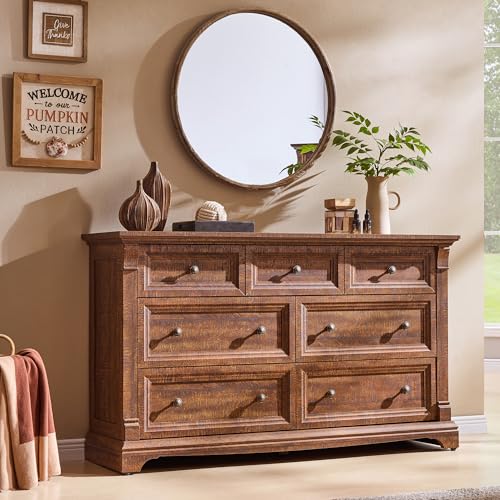
Reclaimed Wood Chest of Drawers
Discover how to choose a reclaimed wood chest of drawers that combines sustainable character with lasting construction. From barn-wood grain to drawer mechanics, this guide covers everything you need before you buy.
START THE GUIDEWhy reclaimed wood matters: A reclaimed wood chest of drawers is more than a storage piece. Each plank carries a history — from old barns, factories, and bridges — giving the furniture a texture and grain pattern that new timber cannot replicate. For buyers who value sustainability and one-of-a-kind design, reclaimed wood delivers both.
If you are comparing styles and construction methods before making a purchase, this guide will walk you through material grades, joinery, hardware, and finish options so you can choose with confidence. You can also explore the broader collection of reclaimed wood dressers to see how chests fit into a full bedroom set.
What Exactly Is a Reclaimed Wood Chest of Drawers?
A reclaimed wood chest of drawers is built from timber that has already served a previous life. Common sources include decommissioned barns, warehouses, shipping pallets, and even old boats. The wood is sorted, de-nailed, kiln-dried, and milled into drawer fronts, side panels, and tops.
Because the raw material is already seasoned, reclaimed timber tends to be dimensionally stable. The trade-off is that each board varies in color, grain, and texture — which is exactly what makes the finished chest unique. If you prefer a uniform look, a real wood chest of drawers built from newly milled lumber may suit you better. If you want visible character, reclaimed is the stronger choice.
Reclaimed Wood vs. New Solid Wood
The comparison below focuses on structural and aesthetic factors, not on financial metrics. Use it as a quick reference when evaluating options in a showroom or online listing.
| Factor | Reclaimed Wood | New Solid Wood |
|---|---|---|
| Grain & Character | Highly varied, with nail holes, knots, and patina | Consistent, cleaner surface |
| Stability | Often very stable due to prior seasoning | Stable when properly kiln-dried |
| Environmental Profile | Diverts material from waste streams | Depends on sourcing and forestry practices |
| Finish Options | Typically wax, oil, or matte lacquer to preserve texture | Wide range from natural to high-gloss |
| Best For | Rustic, industrial, farmhouse, and eclectic interiors | Modern, transitional, and painted finishes |
Construction Quality: What to Inspect Before Buying
A chest of drawers endures daily opening and closing, so the frame and drawer mechanics deserve close attention. Use the checklist below when reviewing a reclaimed wood chest in person or through detailed product listings.
1. Frame and Joinery
- Dovetail or mortise-and-tenon joints signal a durable build. Staples and screws alone are a warning sign on a heavy hardwood chest.
- Corner blocks and braces should be glued and screwed, not just tacked in place.
- Side panels should be solid or high-grade plywood with a consistent thickness — not thin particle board hidden behind a reclaimed front.
2. Drawer Boxes and Runners
- English dovetail drawer boxes are the benchmark for longevity, especially on larger drawers that carry heavier loads.
- Full-extension metal slides with a soft-close mechanism improve daily usability and reduce wear on the wood.
- Wood-on-wood runners are traditional and can work well, but they require a waxed surface and precise alignment to stay smooth.
3. Finish and Moisture Control
Reclaimed timber should be kiln-dried to a moisture content suited to your climate. Ask for the moisture reading if you are buying from a specialist maker. A hard-wax oil or natural wax finish is common because it preserves the tactile surface while offering basic protection. Avoid heavy polyurethane if you want the wood to age gracefully — it can look plastic over time and is difficult to repair.
4. Hardware and Handles
Matte black iron pulls, aged brass knobs, and simple wooden handles all pair well with reclaimed timber. The hardware should feel solid with no wobble, and the mounting screws should bite firmly into the drawer front. For inspiration on mixing metals and wood, see our notes on oak dressers with black handles — the same contrast principles apply to reclaimed chests.
Quality Tiers: Understanding What You Are Paying For
Reclaimed wood chests of drawers occupy a wide range of the market. Instead of focusing on figures, use these universal quality tiers to position any product you are evaluating. The descriptors are relative, not absolute.
Entry-Level Tier
Typically uses reclaimed veneer over engineered panels. Good for guest rooms or light use.
- Basic metal slides
- Simpler joinery
- Limited wood thickness
Mid-Range Tier
Solid reclaimed fronts with a sturdy frame. A balanced choice for daily bedroom use.
- Full-extension slides
- Dovetail drawer boxes
- Hard-wax oil finish
Premium Tier
Heavy solid reclaimed timber throughout, with refined hardware and hand-finished surfaces.
- Reinforced corner joinery
- Soft-close full-extension slides
- Thick drawer fronts
Luxury Tier
Made-to-order pieces from specialist workshops, often with documented wood provenance.
- Hand-cut dovetails
- Custom dimensions and finishes
- Museum-grade hardware
For most bedrooms, the mid-range tier offers the best balance of longevity and craft. If you are furnishing a nursery or a high-traffic space, lean toward premium construction for the drawer mechanics. You can compare this approach with other solid-timber options in our oak chest of drawers collection.
Sizing a Reclaimed Wood Chest for Your Bedroom
Reclaimed chests often run slightly larger than mass-market dressers because the solid timber requires more structural room. Measure your space carefully, including door clearances and the swing of nearby closet doors.
- Height: A chest of drawers typically stands taller than a wide dresser. Check that the top drawer is reachable without stretching.
- Depth: Deeper drawers hold more but reduce floor space. Leave at least 36 inches of walking clearance in front of the chest.
- Width: Match the width to the wall segment, leaving breathing room on both sides for visual balance.
- Anchor: Tall reclaimed chests should be wall-anchored, especially in homes with children or pets.
If you are working with a compact room, a narrow reclaimed piece may be the better fit than a wide dresser. Compare layouts in our guide to small dressers for space-saving ideas that still preserve the character of solid wood.
Styling a Reclaimed Wood Chest of Drawers
Reclaimed timber is visually busy, so the surrounding decor should support rather than compete with it. A few guidelines will keep the room cohesive.
Color Palette
Warm neutrals — oatmeal, clay, sage, and soft charcoal — flatter the natural tones of reclaimed wood. Avoid highly saturated wall colors directly behind the chest unless you want the furniture to recede.
Hardware and Metals
Matte black and aged brass are the safest pairings. Mixing both in one room works if you repeat the metals elsewhere, for example in lighting or curtain rods. Our oak dresser styling notes cover similar metal-and-wood combinations.
Top Surface Decor
Keep the top surface light. A single ceramic vase, a small stack of books, and a table lamp are usually enough. For more ideas, see our collection of on-top-of-dresser storage ideas that avoid visual clutter.
Room Pairings
Reclaimed chests work well in bedrooms, entryways, and even living rooms used as media storage. If you are furnishing a nursery, pair the chest with a nursery dresser that meets current safety anchoring standards.
Maintenance and Long-Term Care
Reclaimed wood is forgiving but not indestructible. A simple routine keeps the surface and the drawer mechanics in good condition.
- Dust weekly with a soft, slightly damp cloth. Avoid silicone-based polishes that can build up.
- Re-wax or re-oil annually if the finish is natural. This restores the surface and protects against minor moisture.
- Control humidity with a dehumidifier in damp climates. Wood expands and contracts, and stable humidity keeps drawers gliding smoothly.
- Lubricate metal slides with a dry lubricant once a year. Avoid oily sprays that attract dust.
- Repair scratches promptly with a matching wax stick to prevent moisture from entering the grain.
If the finish ever needs refreshing, a light sanding and a new coat of hard-wax oil can restore the surface without losing the patina. For more involved restoration, consult a furniture conservator rather than stripping the piece yourself.
Frequently Asked Questions
What is a reclaimed wood chest of drawers?
A reclaimed wood chest of drawers is a storage piece built from timber salvaged from old barns, factories, ships, or buildings. The wood is cleaned, milled, and reworked into drawer chests, giving the furniture unique grain patterns, nail holes, and weathered character.
Is reclaimed wood furniture durable?
Yes, reclaimed wood is often denser and more stable than newly milled timber because it has already gone through decades of natural seasoning. The key is proper kiln drying and a sound joint system, which prevent warping and drawer sticking over time.
How do I maintain a reclaimed wood chest of drawers?
Dust regularly with a soft cloth, avoid harsh chemical cleaners, and reapply a natural wax or oil finish once or twice a year. Keep the piece away from direct heat and humidity swings to preserve the wood and drawer alignment.
Can reclaimed wood chests have a modern look?
Absolutely. Many contemporary designs pair reclaimed timber with clean lines, metal legs, or minimalist hardware. This creates a balanced look that fits modern, Scandinavian, and industrial interiors while retaining the material's natural character.
What drawer hardware works best on reclaimed wood chests?
Matte black iron pulls, aged brass knobs, and simple wooden handles all complement reclaimed timber. Avoid overly ornate hardware that competes with the wood's texture. Full-extension metal slides are recommended for smooth daily use.
Ready to Compare Reclaimed Wood Chests?
Browse curated options and check current availability from trusted retail partners. Every listing is selected for construction quality and material authenticity.
EXPLORE RECOMMENDED CHESTS