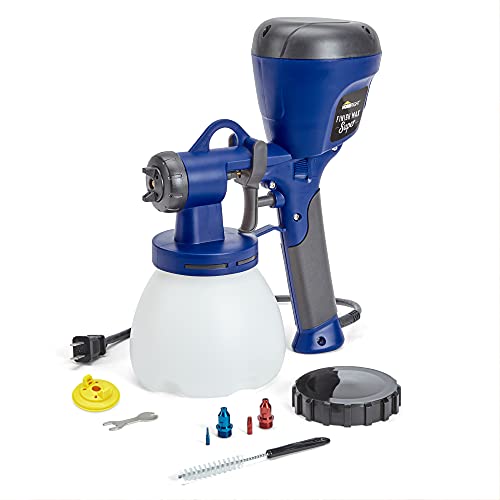
Painting Furniture with a Paint Sprayer
Achieve a professional, flawless finish on your dressers, chests, and bedroom furniture. This complete guide covers techniques, equipment, and step-by-step instructions for stunning results.
Why Use a Paint Sprayer? Whether you're refinishing a vintage find or customizing a new piece, a paint sprayer delivers smooth, even coverage without brush marks. Perfect for dressers, chests, and intricate details.
Why Choose a Paint Sprayer for Furniture?
Painting furniture with a paint sprayer is a game-changer for DIY enthusiasts and professionals alike. Unlike traditional brushes or rollers, sprayers provide a smooth, even finish that enhances the natural beauty of wood and other materials. For those looking to paint a dresser without sanding, a sprayer can help achieve a smooth coat with minimal prep work.
Sprayers are particularly effective for pieces with intricate details, such as antique dresser tables or fluted chests of drawers. They also save time on larger projects, like tall white dressers or double dressers for bedrooms.
Pros & Cons of Using a Paint Sprayer
✅ Advantages
- Flawless finish: No brush strokes or roller marks.
- Speed: Covers large surfaces quickly.
- Versatility: Works on wood, metal, plastic, and more.
- Even coverage: Reaches crevices and details with ease.
⚠️ Disadvantages
- Overspray: Requires careful masking and ventilation.
- Thinning: Paint may need thinning for proper atomization.
- Cleaning: Sprayers need thorough cleaning after each use.
- Learning curve: Requires practice to master technique.
Choosing the Right Paint Sprayer
Selecting the right sprayer for your furniture project depends on the size of the piece and your budget. For large furniture like black king bedroom sets or black queen bed frames, an HVLP (High Volume Low Pressure) sprayer is ideal for fine finishes.
HVLP Sprayers
Best for furniture and cabinetry. Provide excellent control with minimal overspray. Ideal for all dresser types and detailed pieces.
- Best for: Fine finishes, detailed furniture, and indoor use.
- Popular brands: Wagner, Graco, Fuji.
Airless Sprayers
Powerful and fast, suitable for large projects. They can handle thicker paints without thinning.
- Best for: Large furniture, outdoor pieces, and high-volume projects.
- Popular brands: Graco, Titan.
For smaller projects or touch-ups, handheld sprayers are a convenient option, especially when repainting painted furniture or updating handles for dresser drawers.
Step-by-Step Guide: How to Paint Furniture with a Sprayer
Follow these steps to achieve a professional-quality finish on your next furniture painting project. This method works for repainting black furniture, refreshing vintage pieces, or giving a modern look to classic designs.
-
Prepare Your Workspace
Work in a well-ventilated area. Cover floors and nearby objects with drop cloths. Use a spray booth or setup to contain overspray.
-
Clean and Sand the Furniture
Remove dust, grease, and old finish. Sand with fine-grit sandpaper (220-grit) for a smooth base. For pieces like antique dresser tables, gentle sanding preserves the wood's character.
-
Apply Primer
Primer ensures better adhesion and an even finish. Use a high-quality primer suitable for your paint type. This is especially important when repainting painted furniture to prevent bleed-through.
-
Thin the Paint (If Needed)
Follow the manufacturer's instructions for thinning. Most HVLP sprayers require paint to be thinned to the consistency of milk.
-
Spray in Smooth, Even Passes
Hold the sprayer 6–10 inches from the surface. Move in a steady, overlapping pattern. Keep the sprayer perpendicular to the surface for even coverage.
-
Apply Multiple Thin Coats
Apply 2–3 thin coats rather than one thick coat. Allow each coat to dry according to the paint manufacturer's recommendations.
-
Finish with a Protective Topcoat
For high-use furniture like dresser types and double dressers for bedrooms, apply a clear polyurethane or wax for added durability.
Expert Tips for a Flawless Finish
Practice on Scrap Wood
Before spraying your furniture, practice on scrap wood to get a feel for the sprayer's flow and your technique. This is especially helpful when learning to paint furniture with a paint sprayer for the first time.
Maintain Consistent Distance
Keep the sprayer at a consistent distance from the surface to avoid runs and uneven coverage.
Clean the Sprayer Immediately
Clean the sprayer thoroughly after each use to prevent clogs and ensure longevity. This is crucial for handles for dresser drawers and other small parts.
Work in a Dust-Free Environment
Dust and debris can ruin a fresh finish. Ensure your workspace is clean and avoid stirring up dust while painting.
Common Mistakes to Avoid
- Applying too thick of a coat: Leads to runs and drips.
- Not thinning the paint: Causes clogging and uneven spray.
- Spraying too close or too far: Affects coverage and finish quality.
- Skipping primer: Reduces adhesion and can cause peeling.
- Inadequate ventilation: Poses health risks and slows drying.
Recommended Products for Painting Furniture
Using the right products can make all the difference. For a durable, beautiful finish on any dresser type, consider these trusted options.
- Primer: Zinsser B-I-N Shellac-Based Primer (excellent for blocking stains and tannins).
- Paint: Benjamin Moore Advance (waterborne alkyd for a hard, smooth finish).
- Topcoat: General Finishes High Performance Water-Based Topcoat (available in satin, semi-gloss, and gloss).
- Sprayers: Wagner Flexio 3000 (great for beginners) or Graco Magnum X5 (for larger projects).
Ready to Transform Your Furniture?
Painting furniture with a paint sprayer is an accessible skill that can dramatically upgrade your home. Whether you're updating a white tall dresser, refinishing a vintage lingerie chest, or giving new life to an antique dresser table, the results are professional and lasting.
For more inspiration, explore our guides on organizing a dresser and decorating a dresser top to complete your bedroom makeover. Happy painting!