New Kitchen Cabinet Doors and Drawer Fronts
Transform your kitchen's look without a full remodel. Learn how to choose the right doors and drawer fronts for a fresh, durable, and stylish upgrade.
START EXPLORINGWhy this matters: New kitchen cabinet doors and drawer fronts are the most visible surfaces in your kitchen and the fastest way to refresh its appearance. Whether your cabinet boxes are solid but the fronts look dated, or you simply want a different style, replacing doors and drawer fronts delivers a dramatic visual change while preserving the structural core of your cabinetry. This guide walks you through styles, materials, hardware, measuring, and installation so you can make a confident decision.
Cabinet Doors vs. Drawer Fronts: What's the Difference?
Cabinet doors and drawer fronts are both visible faces of your kitchen cabinetry, but they serve different functions. Cabinet doors cover vertical storage compartments and swing open on hinges, while drawer fronts attach to pull-out drawers and slide forward. When planning a kitchen refresh, replacing both together creates a cohesive, factory-finished look. Replacing only one creates visual mismatch, so most homeowners upgrade both at the same time.
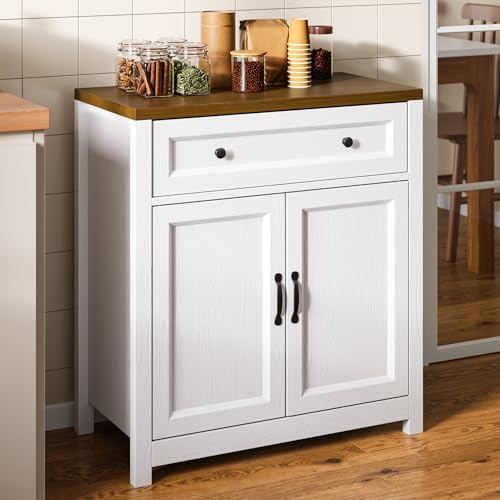
If your kitchen also includes a separate storage cabinet or a freestanding piece, it helps to think about the whole room as one design story. For example, a new cabinet doors and drawer fronts project can be coordinated with a narrow accent cabinet with drawers to keep finishes consistent across the space.
Popular Cabinet Door and Drawer Front Styles
Style is the first decision most homeowners make. Each style carries a distinct personality and works best in specific kitchen layouts. Consider the overall design language of your home before choosing.
Shaker
A recessed center panel with a flat frame. Timeless, versatile, and the most widely compatible style. Works in farmhouse, transitional, and modern kitchens alike.
Slab (Flat Panel)
A clean, uninterrupted surface with no frame. Ideal for contemporary and minimalist kitchens. Easy to clean and available in a wide range of materials and finishes.
Raised Panel
A traditional profile with a raised center panel. Adds depth and formality. Often associated with classic, Georgian, and traditional kitchens.
Beadboard
Vertical grooves create a cottage or coastal feel. Common in farmhouse and country-style kitchens. Works well with painted finishes.
Glass-Front
Inserts of glass replace the solid panel, creating display space. Ideal for upper cabinets and open shelving aesthetics. Choose tempered glass for safety.
Open Frame
A minimalist frame with no panel, often used in modern and industrial kitchens. Requires careful styling of the cabinet interior.
If your design leans modern, pair slab or shaker fronts with modern kitchen cabinet pulls for a unified look. A finger pull profile is especially effective with slab doors and creates a seamless, handle-free appearance.
Choosing the Right Material for Your Doors and Drawer Fronts
Material determines durability, weight, moisture resistance, and how the finish ages. The right choice depends on your kitchen's humidity, daily wear, and desired appearance.
| Material | Tier | Best For | Key Characteristics |
|---|---|---|---|
| Solid Wood | Premium / Luxury | Long-term investment, refinishing | Premium feel, can be sanded and refinished, natural grain variation |
| Plywood Core | Mid-Range | Moisture-prone kitchens | Stable, resists warping, accepts paint and veneer well |
| MDF (Medium-Density Fiberboard) | Entry-Level / Mid-Tier | Smooth painted finishes | Uniform surface, takes paint cleanly, needs sealed edges |
| Particleboard | Entry-Level | Light-use kitchens | Economical, heavier, less moisture-resistant than plywood |
| Thermofoil | Starter Tier | Cleanability and uniformity | Seamless finish, easy to wipe, limited refinishing potential |
For a high-end look, solid wood and premium veneers are the most convincing. For a modern, uniform finish, high-grade MDF with factory-applied paint is a strong choice. Plywood cores are a smart upgrade for kitchens with high humidity or frequent cooking.
Finishes and Colors That Hold Up Over Time
Finish is where style meets durability. The best finish for your kitchen balances your design goals with the practical demands of heat, moisture, and daily cleaning.
- Painted finishes — smooth and modern; look for factory-applied coatings for a more durable result.
- Stained wood — highlights natural grain; ideal for oak, walnut, and maple fronts.
- Thermofoil and laminate — easy to clean, uniform color, strong resistance to moisture.
- Textured and matte finishes — hide fingerprints and smudges, popular in modern kitchens.
- Gloss finishes — reflective and bright, but show smudges more readily.
Design tip: Coordinate your door and drawer front finish with your cabinet pulls. Satin nickel cabinet pulls pair well with gray, white, and natural wood finishes. For a bolder contrast, black cabinet pulls create a crisp look against lighter fronts.
Refacing vs. Full Replacement: Which Approach Fits Your Kitchen?
New doors and drawer fronts are the centerpiece of cabinet refacing. In a refacing project, your existing cabinet boxes stay in place while the visible surfaces—doors, drawer fronts, and the exposed box faces—receive new material. This approach is faster and less disruptive than a full cabinet replacement and preserves the existing layout.
Full replacement makes sense when the cabinet boxes are damaged, the layout no longer works, or you want to reconfigure storage. If your boxes are structurally sound and the layout works, refacing with new doors and drawer fronts is the most efficient route to a fresh kitchen.
If your project extends to other storage areas, such as a pantry or a secondary cabinet, matching the finish across pieces keeps the design coherent. A new cupboard doors upgrade can complete the look in adjacent spaces, and a narrow entryway cabinet with doors can echo the same style in an entryway or hallway.
Measuring and Installation: What to Prepare
Accurate measurements are the single most important factor in a successful door and drawer front order. Measure each opening precisely, then confirm your overlay or inset mounting style before ordering.
- Measure every cabinet opening individually—widths often vary by a fraction of an inch.
- Decide between overlay (door covers the frame) and inset (door sits flush inside the frame).
- Note the hinge type and mounting position on existing doors.
- For drawer fronts, measure the visible face and confirm the drawer box depth.
- Order a single sample door before committing to a full set.
- Plan for hardware placement and confirm pull centers align with your new fronts.
Installation is straightforward for homeowners with basic carpentry experience, but precision matters. If you are unsure about hinge alignment or overlay measurements, working with a professional installer protects your investment. For a broader look at storage upgrades, explore our guide to new kitchen doors and drawer fronts and our overview of new kitchen cabinet doors and drawers.
A Practical Buying Checklist
Use this checklist to organize your decision before you order.
- Confirm the cabinet boxes are structurally sound and the layout works.
- Choose a door and drawer front style that fits your kitchen's design language.
- Select a material that matches your moisture and durability needs.
- Pick a finish and color that coordinates with your pulls and appliances.
- Verify overlay or inset mounting and measure every opening.
- Order a sample and confirm hardware compatibility.
- Plan installation timing to minimize kitchen disruption.
Frequently Asked Questions
What is the difference between cabinet doors and drawer fronts?
Cabinet doors cover vertical storage compartments and swing open on hinges, while drawer fronts attach to pull-out drawers and slide forward. Both are the visible faces of your kitchen cabinetry and are typically replaced together for a consistent look.
Can I replace only the doors and drawer fronts without new cabinets?
Yes. This is known as cabinet refacing. As long as your cabinet boxes are structurally sound, you can install new doors and drawer fronts along with fresh veneer or paint on the visible box surfaces for a complete transformation.
Which material is best for kitchen cabinet doors?
Solid wood offers the most premium feel and refinishing potential, while high-grade MDF with a quality paint delivers a smooth modern look. Plywood cores resist moisture better than particleboard, making them a smart choice in humid kitchens.
How do I measure for new cabinet doors and drawer fronts?
Measure each opening precisely, then decide on overlay or inset mounting. For overlay doors, add the desired overlay amount to each side of the opening. For drawer fronts, measure the visible front face. Always confirm the manufacturer's measuring guide before ordering.
Do I need to replace hardware when installing new fronts?
Not necessarily, but new doors and drawer fronts are an ideal time to update hardware. Fresh pulls and knobs complete the new look and ensure the mounting holes align with your new fronts. Choose pull centers that match your door and drawer dimensions.