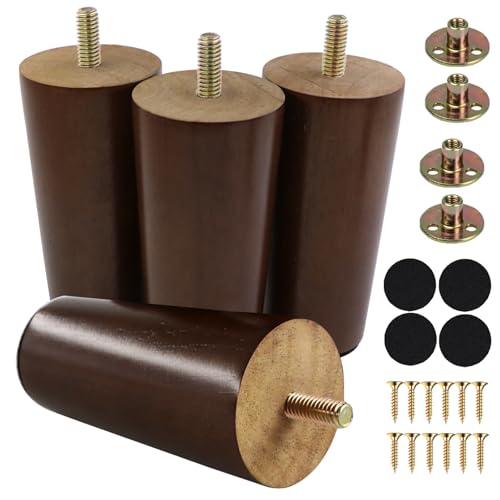
Legs for Dresser: The Complete Guide to Replacement & Upgrade
Everything you need to know about choosing, sizing, and installing dresser legs — so your storage piece looks better and lasts longer.
START THE GUIDEWhy dresser legs matter: Legs are more than a decorative detail. They determine your dresser's stability, its visual weight in the room, and how easy it is to clean underneath. Whether you are replacing worn legs on an older dresser or upgrading a plain piece, choosing the right legs can transform both function and style. This guide walks you through every decision point.
Why Replace the Legs on Your Dresser?
Dresser legs take a surprising amount of abuse. They absorb the impact of drawers opening and closing, support the full weight of the cabinet, and sit in direct contact with floors that may be uneven. Over time, original legs can loosen, crack, or simply look dated. Replacing them is one of the most effective upgrades you can make.
- Restore stability: Wobbly or split legs are a safety risk, especially for taller chests. New solid legs with proper mounting hardware eliminate that sway.
- Refresh the style: Swapping blocky legs for tapered mid-century legs — or metal legs for a modern industrial look — changes the entire silhouette of the piece.
- Adjust the height: Taller legs raise the dresser for easier cleaning and a lighter visual footprint. Shorter legs create a grounded, built-in feel.
- Protect your floors: New legs paired with felt pads or glides prevent scratches and reduce noise when the dresser shifts.
- Extend the life of a good piece: A well-built dresser with worn legs can serve for decades more with a simple leg replacement.
Dresser Leg Styles: Find Your Look
The leg style you choose sets the tone for the entire dresser. Here are the most common options and where they work best.
Tapered Legs
Narrowing toward the floor, tapered legs are the signature of mid-century modern design. They add elegance and visual lightness. Best for streamlined bedroom dressers and pieces with clean, flat drawer fronts.
Straight Block Legs
Simple, square, and sturdy. Block legs suit modern, Scandinavian, and contemporary dressers. They offer excellent weight capacity and a grounded appearance.
Turned Legs
Shaped on a lathe with curves and profiles, turned legs bring traditional, farmhouse, or French provincial character. They pair well with painted dressers and vintage-inspired rooms.
Metal Legs
Steel and iron legs deliver industrial or minimalist style with high strength. Hairpin and angled metal legs are popular for modern dressers and DIY makeovers.
Bun Feet
Rounded, compact feet placed at the corners. Bun feet suit antique and traditional chests and give a low, classic profile.
Cabriole Legs
An S-shaped curve that defines Queen Anne and Louis Philippe furniture. Cabriole legs are elegant and work best with formal or antique dressers.
Materials: What Are the Best Dresser Legs Made Of?
Material choice affects durability, weight capacity, and how the legs age. Use the tier framework below to match the material to your dresser's role in the room.
| Material | Market Tier | Best For |
|---|---|---|
| Solid hardwood (oak, maple, walnut) | Premium tier | Heavy dressers, long-term durability, pieces you plan to refinish |
| Engineered wood with veneer | Mid-tier | Lighter dressers, painted finishes, balanced durability |
| Steel and iron | High-end tier for strength | Modern and industrial styles, high weight loads |
| Plastic and composite | Entry-level tier | Light, temporary dressers or quick cosmetic fixes |
For a bedroom dresser that holds clothing every day, solid hardwood or steel is the safer long-term investment. Entry-level composite legs can work on a small, light dresser, but they are more likely to crack under repeated load.
Choosing the Right Leg Height
Leg height changes both the look and the usability of your dresser. There is no single correct height, but there are practical guidelines.
- 4 to 6 inches: The most common range for bedroom dressers. It keeps the top surface at a comfortable height and allows basic cleaning underneath.
- 6 to 8 inches: Raises the dresser for easier vacuuming and a lighter look. Check that the top does not become too high to use comfortably.
- Under 4 inches: Creates a low, grounded profile. Suitable for low dressers placed at the foot of a bed or in small rooms.
- Over 8 inches: Tall legs add drama and a mid-century feel, but they require a wider base and stronger mounting to stay stable.
A practical rule: the combined height of the leg and the dresser cabinet should keep the top surface around waist height. Measure your current dresser, decide whether you want it higher or lower, and choose legs that close the gap.
How to Buy Dresser Legs: A Step-by-Step Checklist
1. Check the Mounting Type
Most replacement legs attach one of three ways: a threaded bolt screwed into a mounting plate, a metal bracket, or wood screws directly into the frame. Inspect your dresser before buying and match the hardware.
2. Confirm the Weight Load
Add up the dresser's weight plus its contents. Choose legs rated for that load, and prefer legs with metal mounting plates for heavier chests.
3. Measure the Attachment Point
Measure the width of the leg top and the distance between mounting holes. Buying legs that fit the existing footprint avoids drilling new holes.
4. Match the Style to the Room
Consider your bedroom's overall design. Tapered wood legs suit modern rooms, turned legs suit traditional spaces, and metal legs suit industrial or minimalist schemes.
5. Plan for Floor Protection
Add felt pads or glides to every leg. For heavy dressers, choose reinforced glides that spread the load and prevent dents in hardwood floors.
6. Buy a Full Set
Replace all four legs at once, even if only one is damaged. Mismatched legs affect stability and look inconsistent. A matching set also simplifies height and alignment.
Installing Dresser Legs Safely
Installation is usually a simple project, but safety comes first — especially with tall dressers that can tip.
- Empty the dresser and remove the drawers before flipping it onto a padded surface.
- Remove the old legs and inspect the mounting points for cracks or stripped threads.
- Attach the new legs according to the manufacturer's instructions. Tighten firmly, but avoid over-tightening wood screws.
- Stand the dresser upright and check for wobble. Adjust or add shims if the floor is uneven.
- Anchor tall dressers to the wall with an anti-tip strap for extra safety.
- Add felt pads to the bottom of each leg before placing the dresser back in position.
If your dresser uses a threaded bolt system and the new legs do not match, adapter plates are available. For antique pieces with unusual mounts, a furniture repair specialist can fabricate a matching plate.
Related Dresser Guides
Exploring leg options often leads to broader questions about dresser size, style, and materials. These guides can help you plan the rest of your upgrade:
- Large dresser guide — sizing and layout advice for bigger storage pieces.
- Low dresser options — ideal for placing at the foot of a bed.
- Light wood dresser styles — natural finishes that pair well with tapered legs.
- Laminate dresser care — maintenance tips for engineered-wood pieces.
- Linen dresser ideas — soft textures and relaxed bedroom styling.
- LED dresser features — modern lighting integrated into bedroom storage.
Ready to Upgrade Your Dresser?
Browse our recommended legs and storage accessories to find the right fit for your piece.
View RecommendationsFrequently Asked Questions
What height should dresser legs be?
Most dresser legs range from 4 to 8 inches, with 6 inches being the most common. Lower legs create a grounded look, while taller legs add visual lightness and make cleaning underneath easier. Choose a height that balances the dresser's proportions and your room's style.
Can I replace the legs on my existing dresser?
Yes, replacing dresser legs is a straightforward upgrade. Check the mounting type first — most legs attach with a threaded bolt, a mounting plate, or wood screws. Match the new leg's mounting hardware and weight capacity to your dresser for a secure fit.
What materials are best for dresser legs?
Solid hardwood legs offer the best durability and can be refinished. Metal legs provide modern style and high weight capacity. Engineered wood legs are a practical option for lighter dressers. Consider your dresser's weight and the look you want before choosing.
Do dresser legs need floor protection?
Yes, adding felt pads or glides to the bottom of dresser legs protects your floors from scratches and reduces noise. For heavy dressers, use reinforced glides designed for high weight loads.