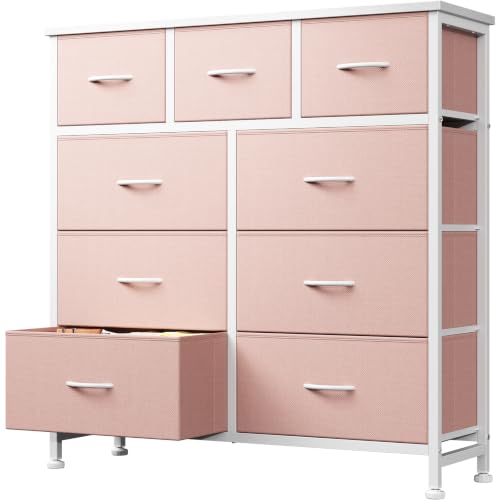
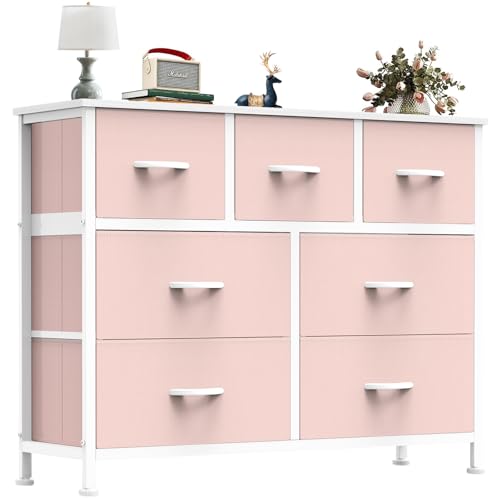
Children's Pink Chest of Drawers: The Complete Guide
Everything parents need to know about choosing a safe, durable, and beautiful pink chest of drawers for a child's bedroom or nursery — from safety anchoring and material quality to sizing and organization.
A children's pink chest of drawers is more than a pretty piece of furniture. It is a daily-use storage solution that must withstand energetic little hands, hold up to repeated opening and closing, and — most importantly — stay safely anchored in place. Whether you are furnishing a nursery, transitioning a toddler to a "big kid" room, or refreshing a school-age child's bedroom, the right pink chest combines safety engineering, durable construction, and a cheerful design that children genuinely enjoy using.
Why a Pink Chest of Drawers Works for Children's Rooms
Color has a real influence on how children feel about their space. A soft pink chest of drawers can make a bedroom feel welcoming and personal, which encourages children to take ownership of their belongings. Beyond aesthetics, a dedicated chest supports independence: when drawers glide smoothly and are positioned at the right height, children can dress themselves, put away toys, and build organizing habits early.
A well-chosen chest also solves practical storage problems. Children's clothing is small but voluminous — socks, pajamas, craft supplies, and toys add up quickly. A chest with a sensible drawer mix (shallow drawers for folded clothes, deeper drawers for bulkier items) keeps the room functional without overwhelming the child. Parents researching children's dresser options often find that a dedicated chest is the most efficient way to keep a small bedroom tidy.
What to Look For in a Children's Pink Chest of Drawers
Safety Anchoring
An anti-tip kit is non-negotiable. Every children's chest should be secured to a wall stud. Prioritize models that include a tested anchoring system and clearly documented installation instructions.
Drawer Glide Quality
Smooth, self-closing, or soft-close glides prevent pinched fingers and reduce noise. Metal ball-bearing slides generally outlast basic plastic runners — an important factor in a child's room.
Non-Toxic Finish
Children put hands (and occasionally mouths) on furniture. Choose low-VOC, water-based finishes and look for indoor air quality certifications such as GREENGUARD Gold where available.
Rounded Edges
Sharp corners are a common injury source. Rounded or chamfered edges on the top and drawer fronts reduce impact risk during play and everyday use.
Correct Height
The top surface should sit at or below the child's chest height so they can reach it safely without climbing. For toddlers, a compact chest keeps everything accessible.
Drawer Stops
Drawer stops or interlock systems prevent drawers from pulling all the way out and tipping the unit forward — a key safety detail many parents overlook.
Materials and Finish: What Holds Up Best
The material determines how the chest ages in a child's room. Solid wood (pine, oak, or rubberwood) offers the most durable construction and can be refinished as tastes change. High-quality engineered wood with reinforced joinery is a solid mid-range option and often carries a more consistent painted pink finish. Entry-level composite boards can work for light use, but check for edge banding quality — chipped edges are common in high-traffic children's furniture.
For the pink finish itself, look for a multi-step painted or lacquered surface rather than a thin laminate. A properly cured paint resists crayon marks and wipes clean more easily. Water-based finishes are preferable for indoor air quality. If you are weighing a compact chest for a nursery corner, the small chest of drawers for nursery guide covers space-efficient options in more detail.
Quality Tiers: Finding the Right Fit for Your Family
Rather than focusing on any single number, it helps to classify children's pink chests by construction tier. The table below maps each tier to its typical build characteristics and the family situation it suits best.
| Tier | Construction Characteristics | Best For |
|---|---|---|
| Entry-Level | Engineered wood panels, basic side-mounted glides, simple assembly, painted finish | Short-term nursery use, guest rooms, families who expect to replace furniture as the child grows |
| Mid-Range | Reinforced engineered wood or mixed solid/engineered construction, metal ball-bearing glides, anti-tip kit included, low-VOC paint | Everyday children's bedroom use, families wanting a balance of durability and design flexibility |
| Premium | Solid wood carcass, dovetail or reinforced drawer boxes, soft-close hardware, certified low-emission finish | Long-term use through childhood, heirloom-quality expectations, heavy daily use |
| Luxury | Hardwood construction, hand-finished surfaces, premium soft-close systems, custom detailing | Design-led bedrooms, families seeking a statement piece that lasts for years |
Within any tier, the safety hardware and drawer glide quality matter more than decorative details. A mid-range chest with a properly installed anti-tip kit and smooth glides is safer and more practical than a premium-looking unit with weak anchoring.
Safety Checklist Before You Buy
- Anti-tip kit included and installed: Secure the chest to a wall stud — never rely on drywall anchors alone for a tall unit.
- Drawer interlock or stops: Prevents multiple drawers from opening at once and reduces tip-over risk.
- Stable base and level feet: A wobbling chest invites climbing and increases risk. Check that the base sits flat on your floor.
- No sharp hardware edges: Inspect knobs and pulls for burrs or loose fittings that small hands can work loose.
- Weight distribution: Store heavier items in lower drawers to keep the center of gravity low.
- Placement away from climbing hazards: Keep the chest clear of beds, chairs, and windowsills that a child could use to climb.
For families comparing compact options, the children's pink chest of drawers category page is the best starting point, and the small chest of drawers selection guide helps narrow down footprint-friendly models for tighter rooms.
Organizing a Child's Chest for Independence
A pink chest of drawers works best when the child can use it independently. Assign the lowest drawers to items the child uses daily — pajamas, play clothes, and socks. Use shallow drawers for folded tops and deeper drawers for bulky items like sweaters or dress-up clothes. Drawer dividers keep small items from becoming a jumbled pile, and labeling drawers with pictures (for pre-readers) or simple words supports routine building.
Keep the top surface minimal: a small lamp, a few books, and one favorite decorative item. Clutter on top invites climbing and makes the chest feel chaotic. Rotating seasonal clothing keeps drawers from overflowing, and a simple weekly tidy-up routine prevents the "everything drawer" problem that defeats the purpose of organized storage.
Ready to Find the Right Pink Chest?
Browse recommended children's pink chests of drawers and compare safety features, drawer configurations, and construction tiers side by side.
Explore Recommendations