Brass Dresser: The Complete Buying Guide
Explore the timeless appeal of brass dressers — from warm antique finishes to polished modern hardware. Learn how to choose the right style, material, and drawer configuration for your bedroom or living space.
Start ExploringWhy a Brass Dresser? A brass dresser combines the practicality of bedroom storage with the visual warmth of metallic accents. Whether you are drawn to antique brass hardware, a full brass-clad chest, or a wood dresser with brass drawer pulls, this guide helps you understand what to look for, how to evaluate quality, and which style fits your room.
What Exactly Is a Brass Dresser?
A brass dresser is a bedroom storage piece that features brass in one form or another. That can mean a dresser fully clad in brass sheeting, a wood dresser accented with brass drawer pulls and trim, or a brass-finished metal chest. The term is broad, so understanding the construction is essential before you buy.
Most shoppers encounter brass dressers in three formats: solid brass hardware on a wood carcass, brass-finished metal dressers, and antique or vintage brass-clad chests. Each brings a distinct look and different levels of durability. If you are still weighing dresser categories in general, our guide to bureau drawer knobs and hardware can help you understand how small details change the whole piece.
Brass has a natural warmth that pairs well with wood tones, painted finishes, and neutral bedroom palettes. Unlike chrome or nickel, brass ages gracefully — developing a patina that many homeowners actively seek. This makes a brass dresser a long-term investment rather than a short-lived trend piece.
Popular Styles of Brass Dressers
Brass works across many design languages. The style you choose should match the surrounding furniture and your overall bedroom aesthetic. Here are the most common interpretations:
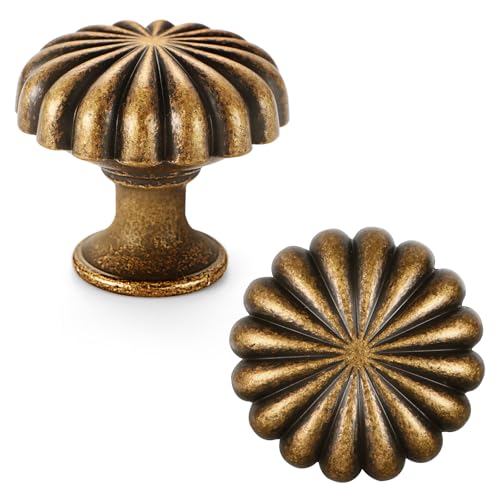
- Antique Brass: A muted, slightly darkened finish that reads as vintage or heritage-inspired. Antique brass dressers suit traditional, transitional, and farmhouse bedrooms.
- Polished Brass: Bright and reflective, polished brass makes a statement. It works well in modern, Art Deco, and glam-style bedrooms.
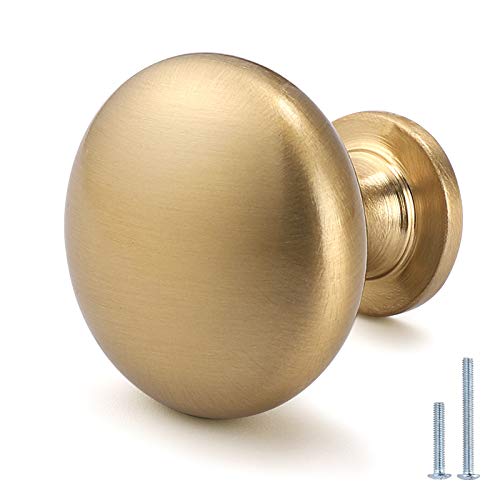
- Brushed Brass: A satin finish with subtle texture. Brushed brass hides fingerprints better than polished brass and suits contemporary and mid-century settings.
- Brass-Clad Chests: Full brass sheeting over a wood frame. These are often statement pieces for living rooms or entryways rather than standard bedroom dressers.
- Wood Dressers with Brass Hardware: The most practical route for most buyers. A solid wood or engineered wood dresser with brass knobs or pulls gives you the brass look without the maintenance of a metal surface.
If you are exploring complementary finishes, our guides to black hardware dressers and brown dressers with gold hardware show how hardware tone shifts the personality of a dresser.
Materials and Construction: What to Inspect
Brass dressers vary widely in build quality. The metal itself is only part of the story — the carcass, drawer boxes, and hardware all affect how the piece performs over time.
Solid brass vs. brass-plated: Solid brass hardware is heavier, develops a patina, and can be polished or left aged. Brass-plated components are a thin coating over a base metal; they can flake or wear through in high-contact areas. For drawer pulls, solid brass is the high-end tier choice and typically lasts decades.
The carcass: A brass-clad dresser still needs a strong wood or engineered wood frame. Look for solid wood drawer fronts and reinforced corner joints. If the dresser is primarily metal, check for welded seams and a powder-coated or lacquered interior to prevent rust.
Drawer slides: Smooth, heavy-duty slides matter more than the brass finish. If you are comparing options, our note on heavy-duty bottom drawer slides explains what to look for in drawer hardware that will not sag under weight.
Quality Tiers: Finding Your Place in the Market
Brass dressers sit across several quality tiers. Rather than shopping by numbers, use these universal descriptors to align your expectations with what each tier delivers.
Entry-Level Tier
Brass-plated hardware on engineered wood. Good for guest rooms or first apartments. Expect basic drawer slides and a finish that may show wear sooner.
Mid-Range Tier
Solid brass knobs or pulls on a solid wood or quality engineered carcass. Smoother slides, better joinery, and a finish designed to hold up to daily use.
Premium Tier
Full solid brass hardware, reinforced drawer boxes, and careful finishing. Often handmade or small-batch, with consistent patina and long-term durability.
Luxury / Heirloom Tier
Brass-clad or solid brass construction with artisan joinery. These are statement pieces intended to be passed down; they reward careful maintenance.
Across tiers, the difference is mostly in hardware density, drawer action, and finish consistency. A mid-range piece with solid brass pulls often delivers better long-term satisfaction than an entry-level piece with decorative plating.
Brass vs. Other Dresser Finishes
| Finish | Best For | Maintenance | Style Fit |
|---|---|---|---|
| Antique Brass | Traditional, farmhouse, heritage bedrooms | Low — patina is part of the look | Warm, lived-in, classic |
| Polished Brass | Modern, Art Deco, glam bedrooms | Moderate — fingerprints show | Bright, reflective, bold |
| Brushed Brass | Contemporary, mid-century, transitional | Low — hides prints and marks | Subtle, textured, versatile |
| Black Hardware | Industrial, minimalist, modern farmhouse | Low | Crisp, high-contrast, architectural |
| Gold / Gold-Tone | Glam, Hollywood Regency, luxe bedrooms | Moderate | Warm, luminous, statement |
Key Factors When Choosing a Brass Dresser
Before you commit, run through these practical checks. They matter more than any single aesthetic preference.
1. Room Size and Footprint
Measure your available wall space, including door swing and walking clearance. A wide brass dresser can dominate a small bedroom, while a tall narrow chest works better in compact rooms. If space is tight, browse tall narrow chest of drawers concepts to understand how vertical storage changes a room.
2. Drawer Count and Configuration
Think about what you store. Socks and underwear fit well in shallow drawers; folded sweaters need deeper drawers. A mix of shallow top drawers and deep lower drawers is the most versatile configuration for most bedrooms.
3. Hardware Quality
On a brass dresser, the pulls are the most-touched surface. Solid brass will age gracefully; plated hardware may pit or flake. Test the weight and feel of a pull in person if possible. If you are mixing metals, our guide to brown dressers with gold handles shows how brass and gold tones coordinate in practice.
4. Finish and Patina
Decide whether you want brass that stays bright or brass that develops character. Lacquered brass holds its shine; unlacquered brass patinas over time. Both are valid — just match the choice to your tolerance for upkeep.
5. Safety and Stability
Tall dressers, including brass-clad models, should come with anti-tip hardware. Always anchor a tall chest to the wall, especially in homes with children or pets. Check that drawer stops prevent accidental pull-out.
Where a Brass Dresser Works Best
Brass is a warm metal, so it tends to work in spaces that already lean warm. Consider these placements:
- Primary bedroom: A brass-accented dresser can serve as a focal point opposite the bed. Pair with soft textiles and warm wood tones.
- Guest room: A smaller brass dresser with brass knobs adds polish without overwhelming a compact room.
- Entryway or hallway: A brass-clad chest doubles as a console with storage. This is a common use for vintage brass chests.
- Living room: A low brass dresser can function as a media console or sideboard, especially in open-plan homes.
If you are building a coordinated bedroom, our guides to black mid-century dressers and brown dressers with black hardware show how mixing finishes can create depth without visual clutter.
Common Mistakes to Avoid
- Confusing brass-plated with solid brass. Plated hardware looks similar in photos but wears differently. Ask the seller directly about hardware construction.
- Ignoring the drawer interior. A beautiful brass exterior can hide thin, rough drawer boxes. Look for sanded interiors and solid joinery.
- Overmatching metals. A room where every fixture is brass can feel heavy. Mixing brass with matte black or nickel creates balance. Our guide to black full bedroom sets illustrates how metals can coexist.
- Skipping anti-tip anchoring. Tall brass chests can be heavy. Always secure to the wall.
- Buying for the look only. A dresser is a daily-use item. Drawer glide quality and handle comfort matter as much as finish.
Caring for a Brass Dresser
Brass is durable but not maintenance-free. How you care for it depends on whether the finish is lacquered or unlacquered.
Lacquered brass: Wipe with a soft damp cloth. Avoid abrasive cleaners, which can scratch the coating. Do not use brass polish — it can strip the lacquer.
Unlacquered brass: Expect a patina to develop. If you prefer the bright look, use a brass polish occasionally. If you like the aged look, simply dust and wipe with a dry cloth.
Wood components: Dust regularly and avoid direct sunlight, which can fade finishes. Use coasters under plants or lamps placed on top of the dresser.
For more on keeping any dresser in top shape, see our broader notes on black wood dressers and their finish care.
Frequently Asked Questions About Brass Dressers
Is a brass dresser durable?
Solid brass hardware and brass-clad frames are highly durable. The main variables are the quality of the underlying carcass and whether the brass is solid or plated. Solid brass develops patina rather than degrading, which is why antique brass dressers often outlast newer pieces.
Can brass dressers fit a modern bedroom?
Yes. Brushed brass and antique brass work especially well in modern and transitional bedrooms. The key is to balance the metal with matte finishes and natural textures so the brass reads as an accent rather than a dominant theme.
How do I tell solid brass from brass-plated hardware?
Solid brass is heavier and typically has a slightly warmer tone. Plated hardware is lighter and may show a silver-toned edge where the plating has worn. A magnet will not stick to solid brass but may attract the base metal under plating. When buying online, ask the seller to confirm.
Should I polish a brass dresser?
Only if the brass is unlacquered and you want a bright finish. Polishing lacquered brass can damage the protective coating. Many homeowners prefer the natural patina that develops on unlacquered brass, so polishing is optional.
What rooms suit a brass dresser best?
Bedrooms are the most common setting, but brass dressers also work in entryways, living rooms, and guest rooms. In living spaces, a low brass chest can function as a console or sideboard with concealed storage.
Explore More Dresser Styles: If you are comparing finishes, our guides to black mid-century modern dressers and brown mid-century modern dressers show how wood tones and hardware finishes interact. For a coordinated bedroom, see our notes on black wood dressers with mirror.