Black Changing Table Dresser: The Complete Buying Guide
Everything you need to know about choosing a black changing table dresser for your nursery — from safety features and materials to organization strategies and long-term value.
Start Your ResearchWhy a black changing table dresser? A black changing table dresser combines two essential nursery functions — a safe changing surface and ample clothing storage — into one streamlined piece of furniture. The deep black finish offers a sophisticated, modern look that hides minor stains and pairs well with virtually any nursery color palette. Whether you prefer a sleek contemporary design or a classic silhouette, a black changing table dresser delivers both style and practicality for growing families.
What Is a Black Changing Table Dresser?
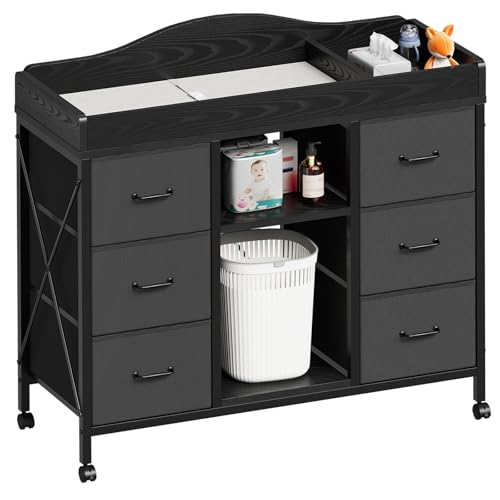
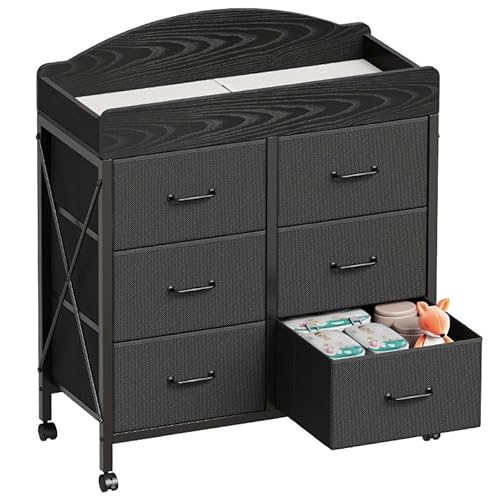
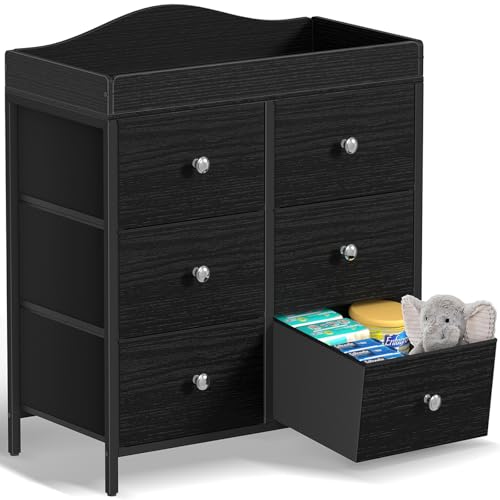
A black changing table dresser is a multi-purpose nursery furniture piece that features a flat, secure top surface designed to hold a changing pad, along with multiple drawers below for storing diapers, wipes, clothing, and bedding. Unlike a dedicated changing table that becomes obsolete once your child is out of diapers, a changing table dresser transitions seamlessly into a standard dresser as your child grows. The black finish adds a bold, elegant aesthetic that works well in modern, transitional, and even traditional nursery designs.
When shopping for a black changing table dresser, you'll encounter several configurations — from compact models with three drawers to expansive units with six or more drawers and a hutch or shelving unit on top. Understanding the differences between these configurations is key to finding the right fit for your nursery size and storage needs.
Why Choose a Black Finish for Your Nursery?
Timeless Sophistication
Black furniture brings an instant sense of elegance and grounding to a nursery. It creates visual contrast against light-colored walls and pairs beautifully with wood tones, metallic accents, and bold textiles. A black changing table dresser can anchor the room's design and remain stylish as your child grows.
Hides Wear and Tear
Nursery furniture sees its fair share of spills, scuffs, and daily use. A black finish is remarkably forgiving — it conceals minor stains and scratches far better than white or light-colored finishes, keeping the piece looking polished through years of active use.
Gender-Neutral and Adaptable
Black is inherently gender-neutral, making it an excellent choice if you're designing a nursery without knowing the baby's gender or if you plan to reuse the furniture for future children. It adapts effortlessly to changing décor themes and color schemes over time.
Key Buying Criteria for a Black Changing Table Dresser
Before you commit to a purchase, evaluate these essential factors to ensure the dresser meets both your safety requirements and practical needs.
Safety Features
- Anti-tip kit included: Any dresser used in a nursery must come with or be compatible with a wall-anchoring anti-tip kit. This is non-negotiable for child safety.
- Raised edges or contoured top: The changing surface should have raised sides or a contoured design to help keep the changing pad securely in place.
- Safety straps: A safety strap attached to the changing pad or dresser top is essential for securing your baby during changes.
- Non-toxic finish: Look for finishes that are low-VOC or certified non-toxic, especially for a nursery environment.
- Sturdy construction: The dresser should feel solid and stable, with no wobbling. Joints should be reinforced and drawers should operate smoothly without sticking.
Drawer Configuration and Storage
- Drawer count: A minimum of three drawers is recommended; four to six drawers offer better organization for clothing, diapers, and bedding.
- Drawer glides: Metal glides with a smooth, quiet close are preferable. Soft-close mechanisms reduce noise during nap time.
- Interior depth: Deeper drawers (at least 5–6 inches) accommodate folded clothing and diaper boxes more efficiently.
- Dividers and organization: Some models include built-in dividers or removable organizers. If not, plan to add drawer dividers after purchase.
Materials and Build Quality
- Solid wood vs. engineered wood: Solid wood (pine, oak, maple) offers superior durability and longevity. Engineered wood (MDF, particleboard) is common in mid-range and entry-level models — it's stable and smooth but may not withstand repeated reassembly.
- Finish durability: A painted or lacquered black finish should be smooth and resistant to chipping. Look for models with a sealed topcoat.
- Weight capacity: The changing surface should support the weight of a growing toddler plus the pad and supplies. Check the manufacturer's stated weight limits.
Size and Space Considerations
Nursery space varies widely, and choosing the right size black changing table dresser is critical to maintaining a functional, uncluttered room. Here's a general framework:
| Category | Typical Width | Best For |
|---|---|---|
| Compact / entry-level | 30–36 inches | Small nurseries, apartments, shared bedrooms |
| Standard / mid-range | 40–50 inches | Most standard nurseries, adequate drawer space |
| Wide / premium | 55–65 inches | Large nurseries, families needing maximum storage |
Measure your available wall space carefully, accounting for door swings, closet access, and the need for a comfortable standing area in front of the dresser. If you're working with a tight footprint, consider a black 3-drawer dresser as a compact alternative that still provides essential storage.
Popular Styles and Finishes
Contemporary Black
Clean lines, flat-panel drawers, and minimal hardware define the modern black changing table dresser. Often paired with sleek metal pulls or handleless drawer fronts, these designs suit minimalist and contemporary nurseries.
Traditional Black
Traditional models feature framed drawer fronts, decorative moldings, and classic hardware like round knobs or bail pulls. These designs bring a sense of heritage and work well in transitional and traditional nursery settings.
Black with Gold or Silver Accents
For a more elevated look, consider a black and gold dresser or a black and silver dresser. Metallic hardware and accent details add a touch of glamour without overwhelming the room.
How to Organize Your Black Changing Table Dresser
A well-organized changing table dresser makes diaper changes faster and less stressful. Follow these practical strategies to maximize every drawer:
- Top drawer — diapering essentials: Keep diapers, wipes, diaper cream, and burp cloths within arm's reach on the changing surface or in the top drawer. A small caddy or divider keeps items upright and accessible.
- Second drawer — daily clothing: Store onesies, sleepers, and socks by size. Use drawer dividers to create sections for different categories.
- Third drawer — bedding and blankets: Fold crib sheets, swaddles, and blankets using a file-fold method so you can see everything at a glance.
- Lower drawers — backup supplies: Store extra diapers, wipes, and off-season clothing in the lower drawers. Rotate supplies as needed.
- Top surface — safety first: Keep the changing surface clear except for the changing pad and a small essentials caddy. Avoid stacking loose items that could fall.
For more detailed guidance, explore our dresser organization guide and consider pairing your changing table dresser with a black dresser and nightstand set for a cohesive nursery storage system.
Long-Term Value: Beyond the Nursery Years
One of the strongest arguments for investing in a quality black changing table dresser is its longevity. Unlike a dedicated changing table, which has a limited useful life, a changing table dresser transitions naturally into a standard bedroom dresser once your child is out of diapers. The changing pad and safety straps can be removed, and the top surface becomes a functional dresser top for lamps, décor, and everyday items. The drawers continue to serve as clothing storage for years to come.
This versatility makes the black changing table dresser a worthwhile long-term investment. When evaluating models, consider how the design will look in a toddler's room, a child's bedroom, and even a guest room later on. A classic black finish with timeless hardware will remain appropriate across every stage.
Common Mistakes to Avoid
- Skipping the anti-tip kit: Never place a dresser in a nursery without securing it to the wall. Children can climb on open drawers, and an unsecured dresser poses a serious tipping hazard.
- Choosing style over stability: A visually appealing dresser that wobbles or has flimsy drawer glides will cause frustration and may not meet safety expectations. Test the sturdiness before finalizing your choice.
- Underestimating storage needs: Babies accumulate clothing and supplies quickly. A dresser with too few drawers will lead to clutter. Err on the side of more storage.
- Ignoring the finish quality: A poorly applied black finish can chip, peel, or show fingerprints easily. Look for models with a sealed, smooth topcoat that is easy to wipe clean.
- Forgetting to measure: Always measure your nursery space and the path to the room (hallways, doorways, stairs) before purchasing to ensure the dresser will fit and can be delivered without damage.
Ready to Find Your Black Changing Table Dresser?
Explore our curated selection of black changing table dressers and nursery storage solutions. Compare features, read detailed descriptions, and choose the piece that fits your nursery perfectly.
View Recommended OptionsFrequently Asked Questions
What should I look for in a black changing table dresser?
Prioritize safety and functionality: a sturdy frame with an anti-tip kit, a secure changing surface with raised edges, smooth-gliding drawers with soft-close mechanisms, and a non-toxic black finish that is easy to clean. Also consider the drawer count and interior depth to ensure adequate storage for your needs.
Can a changing table dresser be used after the baby grows up?
Absolutely. Once the changing pad and safety straps are removed, the dresser functions as a standard bedroom dresser. The top surface becomes useful for a lamp, books, or décor, and the drawers continue to provide clothing storage. This makes a changing table dresser a long-term furniture investment rather than a temporary purchase.
How do I organize a black changing table dresser?
Dedicate the top drawer to diapering essentials — diapers, wipes, cream, and burp cloths. Use the second drawer for daily clothing sorted by size, and lower drawers for bedding, backup supplies, and off-season items. Drawer dividers are highly effective for keeping categories separate and visible. Keep the changing surface clear except for the pad and a small essentials caddy.
Is a black finish suitable for a nursery?
Yes. Black is a versatile, gender-neutral color that works in any nursery theme. It hides minor stains and scuffs better than lighter finishes and pairs well with a wide range of wall colors and décor styles. Just ensure the finish is low-VOC or certified non-toxic for a safe nursery environment.
What size black changing table dresser fits a small nursery?
For small nurseries, look for compact models in the 30–36 inch width range. A black 3-drawer dresser with a changing top offers essential storage without overwhelming the space. Always measure your available wall space and account for clearance before purchasing.