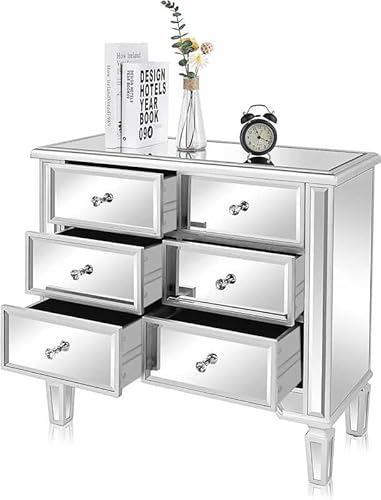
Black and Silver Dresser with Mirror: Complete Buying Guide
Everything you need to know before choosing a black and silver dresser with mirror — drawer configurations, mirror attachment types, hardware finishes, materials, and bedroom pairing strategies for a polished, high-contrast look.
Why this combination works: A black dresser with silver hardware and an attached mirror delivers a striking visual contrast that reads as modern, tailored, and slightly glamorous. The dark body grounds the room, the silver pulls catch light, and the mirror adds depth and a dedicated grooming station. This guide breaks down exactly what to evaluate so you can choose with confidence.
What Defines a Black and Silver Dresser with Mirror
A black and silver dresser with mirror is a bedroom storage piece where the primary cabinet finish is black — ranging from matte and satin to high-gloss lacquer — paired with silver-toned hardware such as brushed nickel, chrome, polished stainless steel, or silver-painted pulls. The mirror component may be permanently attached to the dresser top, mounted on a sliding or folding frame, or sold as a matching detached mirror designed to hang above the piece.
This specific combination sits at the intersection of two design languages. The black body provides a strong anchor and works well with minimalist, contemporary, and transitional interiors. The silver accents introduce reflective contrast that prevents the piece from feeling heavy or visually flat in a room. Together, they create a high-contrast focal point that pairs naturally with light walls, neutral bedding, and metallic or glass decor accents.
◆ Visual Contrast
The black body absorbs light while silver hardware and the mirror surface reflect it — a balanced push-pull that keeps a dark dresser from overwhelming a space.
◆ Functional Value
The mirror turns the dresser top into a grooming and styling station, eliminating the need for a separate vanity in smaller bedrooms.
◆ Design Versatility
Black-and-silver reads modern but adapts to industrial, Hollywood glam, transitional, and even farmhouse interiors depending on the silhouette and hardware shape.
◆ Resale Longevity
Neutral black with metallic accents is a durable style choice that remains relevant across design cycles, unlike trend-specific color palettes.
If you are weighing this configuration against a lighter alternative, our guide to the black and silver dresser without a mirror covers the standalone cabinet in more depth. For buyers who want the mirror component as the centerpiece, the black dresser with mirror attached page focuses specifically on permanently mounted designs.
Mirror Attachment Types: Attached vs. Detached
The way the mirror connects to the dresser affects both the visual proportion of the piece and how you can use the surface. There are three common configurations, and each suits a different room layout and storage strategy.
1. Permanently Attached Mirror
In this configuration, the mirror is bolted or bracketed directly to the dresser top, often framed in the same black finish with silver trim or silver corner accents. Attached mirrors create a unified silhouette and are the most space-efficient option because the mirror rises vertically rather than requiring wall space behind the dresser. The trade-off is flexibility: you cannot remove the mirror to use the dresser top as a display surface, and the combined height may not suit rooms with low ceilings or sloped walls.
Attached-mirror designs are especially common in black dresser with mirror and nightstand set packages, where the matching set is intended to be placed as a coordinated group.
2. Detached or Wall-Mounted Mirror
A detached mirror is sold as a companion piece and typically hangs on the wall above the dresser. This gives you the freedom to adjust the height and spacing, and it allows the dresser top to remain fully usable for decor, lighting, or a jewelry tray. Wall-mounted mirrors also make it easier to repaint or reposition the dresser later without affecting the mirror installation.
The main consideration is alignment: a detached mirror needs to be centered over the dresser and hung at a height that works for the people who will use it. Measure eye level before drilling, and confirm the mirror's frame weight matches your wall anchors.
3. Sliding or Folding Mirror Frame
Some traditional and transitional dressers include a mirror mounted on a sliding track or folding wings. These designs offer adjustable viewing angles and can be pushed back when not in use. They add mechanical complexity, so inspect the track and hinges during assembly and confirm the hardware is silver-toned consistently with the drawer pulls.
| Mirror Type | Best For | Considerations |
|---|---|---|
| Permanently attached | Compact bedrooms, unified set styling, renters who prefer one-piece furniture | Fixed height; dresser top is partly occupied by the mirror base |
| Detached / wall-mounted | Flexible layouts, rooms where the dresser may be repositioned, decor-heavy dresser tops | Requires wall anchoring; alignment must be measured carefully |
| Sliding / folding frame | Traditional and transitional interiors, adjustable viewing angles | More moving parts; check track quality and hinge alignment |
Drawer Configurations and Storage Capacity
The drawer layout determines how much you can actually store and how comfortably the dresser fits your daily routine. A black and silver dresser with mirror is typically available in several standard configurations, and the right choice depends on whether you are organizing one person's wardrobe or sharing the piece.
Common Drawer Counts
- 4-drawer configurations: A balanced starting point for a single adult. Usually two smaller top drawers for accessories and two deeper lower drawers for folded clothing. If you prefer a compact footprint, a black 4 drawer dresser is a practical reference point for proportions.
- 5-drawer configurations: Adds one additional storage tier without substantially increasing width. Often arranged as two top drawers, one wide middle drawer, and two deep bottom drawers. See the black 5 drawer dresser guide for layout comparisons.
- 6-drawer configurations: A common choice for couples or for bedrooms that need to absorb seasonal clothing. Mirrored six-drawer designs are widely available; the black 6 drawer dresser with mirror page covers these layouts in detail.
- 8- and 9-drawer configurations: Maximum capacity, often with a combination of wide and narrow drawers. These are best for larger bedrooms or for replacing a separate chest. Compare options in the black 8 drawer dresser and black 9 drawer dresser references.
Drawer Depth and Interior Dimensions
Drawer count alone does not tell the full story. Depth matters just as much. Standard dresser drawers run roughly 14 to 16 inches deep, but some designs offer deeper lower drawers for bulky items like sweaters and denim. If you store folded knitwear or bedding in the dresser, prioritize a configuration with at least two deep bottom drawers. Our guide to big dressers with deep drawers explains how interior depth affects real-world capacity.
Drawer Glide Quality
The glide mechanism is the single most-touched component on a dresser. Entry-level pieces often use nylon roller glides, which are functional but can become noisy over time. Mid-range and premium dressers typically use metal ball-bearing side glides or under-mount soft-close slides. Soft-close mechanisms are worth prioritizing in a black and silver dresser with mirror because the mirrored surface amplifies sound and vibration — a gentle close protects both the mirror alignment and your sleep schedule. Look for black dresser with soft close drawers options if quiet operation is a priority.
Specialty Drawer Features
Some models include a felt-lined jewelry drawer, cedar-lined bottom drawers, or a divided top drawer for accessories. These details are more common in mid-range and premium tiers. If you want a dedicated compartment for small items, the black dresser with jewelry drawer category is a useful starting point.
Materials, Finishes, and Silver Hardware Options
The material and finish determine how the black reads in person and how the silver hardware holds up over time. A black finish can look matte, satin, semi-gloss, or high-gloss, and each interacts differently with light and with the mirror's reflections.
Black Finish Options
- Matte black: Absorbs light and reads contemporary and understated. Fingerprints are less visible than on gloss, but dust can be more noticeable on textured surfaces.
- Satin black: A subtle sheen that softens the darkness and pairs well with brushed nickel hardware. A versatile middle ground for transitional rooms.
- High-gloss black lacquer: Reflects light and creates a dramatic, glamorous effect. It amplifies the silver hardware and the mirror, but shows fingerprints and dust more readily and requires gentle cleaning.
- Distressed or antiqued black: Adds texture and works with rustic and farmhouse interiors. Silver hardware on a distressed black body creates a deliberate contrast; see black distressed dresser examples for reference.
Silver Hardware Types
Silver is an umbrella term for several distinct metal finishes. The right choice depends on the overall style of the piece and the other metals already in your bedroom.
- Brushed nickel: Soft, low-gloss, and forgiving of fingerprints. The most versatile silver finish for black furniture.
- Polished chrome: High-shine and mirror-like. Creates a strong reflective contrast with matte black bodies.
- Polished stainless steel: Durable and slightly cooler in tone than nickel. Common on contemporary pieces.
- Silver-painted or silver-toned alloy: Found on entry-level and mid-range pieces. Inspect the coating quality and confirm it is sealed to resist tarnishing.
If you want to compare silver pulls against other metallic accents, the black dresser with silver handles guide focuses specifically on hardware finishes. For a warmer metallic alternative, the black and gold dresser reference shows how hardware tone shifts the entire mood of the piece.
Body Construction Materials
Underneath the finish, dressers are built from solid wood, wood veneer over engineered wood, or fully engineered wood such as MDF and particleboard. Solid wood and high-quality veneer offer better screw retention and long-term stability, which matters for a piece that supports a mirror. Engineered wood is common in entry-level and mid-range tiers and can be perfectly durable when the joinery and hardware are well executed. Check the drawer box material separately from the cabinet — solid wood drawer sides and reinforced corner joints are a sign of better construction.
Quality Tiers: Entry-Level to Luxury
Black and silver dressers with mirrors span a wide range of construction quality. Using consistent tier descriptors helps you compare products without relying on fluctuating figures. The table below summarizes what to expect at each tier.
| Tier | Typical Construction | Hardware and Glides | Best For |
|---|---|---|---|
| Entry-level / starter tier | Engineered wood body, laminate or painted finish, basic joinery | Nylon roller glides, silver-painted alloy pulls | Guest rooms, first apartments, short-term setups |
| Mid-range / balanced tier | Wood veneer over engineered wood, reinforced drawer boxes, some solid wood components | Metal ball-bearing glides, brushed nickel or chrome pulls | Primary bedrooms, daily-use dressers, couples |
| Premium / high-end tier | Solid wood or high-grade veneer, dovetail or doweled drawer joints, sealed finish | Soft-close under-mount slides, solid metal hardware | Long-term primary bedroom use, coordinated set purchases |
| Luxury / flagship tier | Hardwood solids, hand-finished surfaces, beveled mirror glass, precision joinery | Premium soft-close hardware, designer metal finishes | Statement bedrooms, design-led interiors |
In practical terms, the jump from entry-level to mid-range usually delivers the most noticeable improvement in daily experience — smoother glides, quieter closes, and more consistent silver hardware finishes. Moving from mid-range to premium is more about longevity and material refinement than about visible features. If you are assembling a coordinated bedroom, the best dresser sets overview compares matched groups across tiers.
Tier Selection Shortcut
If the dresser will be used daily by one or two adults, prioritize the mid-range tier for glide quality and hardware consistency. If it is for a guest room or a temporary setup, an entry-level piece with a well-aligned mirror and sealed silver hardware is a reasonable fit. Reserve premium and luxury tiers for primary bedrooms where the piece will anchor the room for years.
Sizing and Placement Guidance
Proportion is what separates a dresser that looks intentional from one that looks crowded or undersized. Before choosing a black and silver dresser with mirror, measure the intended wall and the walking clearance around the piece.
Standard Dimensions
- Width: Most dressers range from roughly 40 to 72 inches wide. A 48- to 60-inch width suits most primary bedrooms; narrower rooms benefit from a compact black dresser profile.
- Depth: Typically 16 to 20 inches. Confirm the depth against door swings and walking paths — deeper dressers reduce floor clearance in front of the piece.
- Height without mirror: Usually 30 to 38 inches. The dresser top should sit at a comfortable standing height for the people who use it.
- Height with mirror: Attached mirrors can add 24 to 40 inches of vertical height. Measure ceiling height and window placement before committing.
Placement Rules of Thumb
- Allow at least 30 inches of walking clearance in front of the dresser when drawers are open.
- Center the mirror over the dresser body; if the mirror is wider than the dresser, the overhang should be visually balanced on both sides.
- Avoid placing the dresser directly opposite a window if the mirror will reflect harsh daylight across the room.
- In rooms with sloped ceilings, choose a detached wall-mounted mirror so you can control the hanging height independently.
For rooms where floor space is tight, a big dresser may still work if the depth is modest and the mirror is wall-mounted rather than attached. The key is measuring clearance, not just cabinet width.
Styling and Bedroom Pairing Ideas
The black-and-silver combination is visually assertive, so the surrounding decor should either support the contrast or deliberately soften it. Both approaches work; the choice depends on the mood you want.
Pairing with Bedroom Sets
If you are buying a coordinated group, the mirror dresser usually sits at the center of the set. The bedroom set dresser with mirror guide explains how mirror dressers are typically positioned within matched collections. For rooms that need extra bedside storage, the black dresser and nightstand set and black dresser and night stand set comparisons show how matching hardware ties the pieces together.
If you prefer a two-nightstand layout, review the bedroom set dresser and two nightstands configuration. And if you want to combine the mirror dresser with a separate chest for overflow storage, the bedroom set with dresser and chest reference covers that arrangement.
Wall and Bedding Colors
- Light neutrals: White, cream, and pale gray walls let the black dresser act as a focal point while the silver hardware provides subtle sparkle.
- Moody palettes: Charcoal or deep green walls create a layered, cocooning effect; use silver hardware and the mirror to introduce light.
- Warm wood accents: A black dresser with silver hardware pairs well with light oak or walnut flooring and natural fiber rugs, which soften the high contrast.
Dresser Top Styling
With an attached mirror, the usable dresser top is typically a shallow strip in front of the glass. Keep styling low-profile: a shallow tray for jewelry, a small lamp, or a single decorative object. Avoid tall items that block the mirror surface. With a detached wall-mounted mirror, the dresser top is fully available for a more layered arrangement.
Coordinating Metals
Silver hardware does not require every metal in the room to be silver. Mixed metals are a deliberate design choice, but keep the mix to two tones — for example, silver pulls with warm brass lamp bases — and repeat each tone at least twice so the room feels cohesive. If you are curious how a warmer metallic shifts the look, the black and gold dresser with mirror comparison is a useful contrast study.
Safety, Assembly, and Care
A dresser with a mirror carries a higher center of gravity than a standard dresser, so safety and correct assembly deserve explicit attention.
Anti-Tip Anchoring
Always use the anti-tip kit provided with the dresser, and anchor the piece to a wall stud. This is non-negotiable in households with children or pets. The mirror adds top weight, and an unanchored dresser with an attached mirror is significantly more prone to tipping if a drawer is overloaded or used as a step.
Assembly Notes
- Assemble on a soft surface to avoid scratching the black finish.
- Follow the mirror attachment sequence exactly; attaching the mirror before the cabinet is square can stress the glass.
- Confirm all cam locks, dowels, and screws are fully seated before attaching the mirror.
- For wall-mounted mirrors, use appropriate anchors for your wall type and verify the mirror's weight rating.
If you are assembling a larger piece, our how to assemble a dresser walkthrough covers the general sequence. For models marketed as low-assembly, the black dresser no assembly required reference explains what that label typically means in practice.
Cleaning and Maintenance
- Dust the black finish with a soft microfiber cloth. Avoid abrasive pads, which dull satin and matte finishes.
- Clean the mirror with a non-ammonia glass cleaner and a lint-free cloth; spray onto the cloth rather than directly onto the glass to avoid liquid seeping behind the frame.
- Wipe silver hardware with a dry cloth. Avoid polish on silver-painted alloy hardware, which can strip the coating.
- Check drawer glides and mirror brackets every few months and tighten any loosened screws.
Final Buying Checklist
Before finalizing a purchase, run through this checklist. It captures the details that are easy to overlook online and costly to correct after delivery.
- Measured the wall width, ceiling height, and walking clearance in front of the dresser.
- Confirmed whether the mirror is permanently attached, detached, or sliding, and chosen accordingly.
- Verified the drawer count and confirmed at least one deep drawer for bulky items.
- Checked the glide type — ball-bearing or soft-close preferred for daily use.
- Confirmed the silver hardware finish is consistent across all drawers and the mirror frame.
- Reviewed the body and drawer box materials and the joinery type.
- Confirmed an anti-tip anchoring kit is included and appropriate for your wall.
- Checked the assembly requirements and whether two people are needed for the mirror.
- Verified the return policy covers freight-damaged furniture.
- Read the finish care instructions for both the black surface and the silver hardware.
Where to Go Next
If you want to explore matching bedside pieces, start with the black dresser and nightstand overview. For a complete coordinated bedroom, compare options in the black bedroom sets collection. And if you are still deciding between a mirror dresser and a standalone chest, the black chest of drawers guide covers the alternative storage format.