The 70s Dresser: A Complete Guide to Vintage Style & Storage
Discover the charm of 1970s furniture design, learn what makes a great retro dresser, and find the perfect piece for your bedroom.
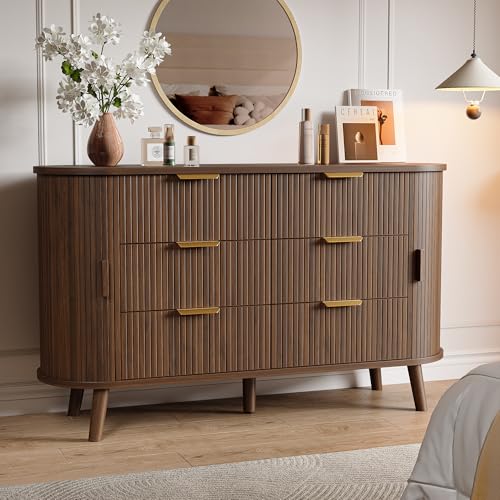
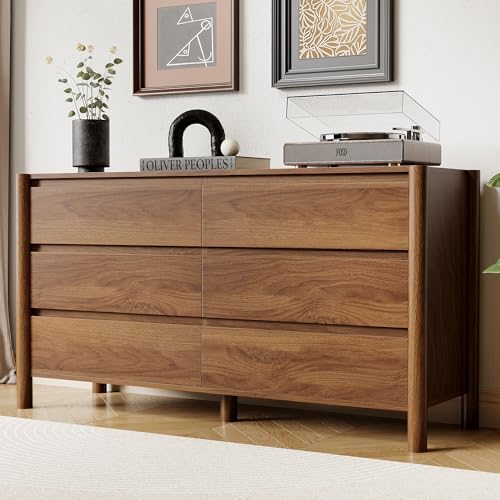
START EXPLORINGWhy the 70s dresser still matters: The 1970s produced some of the most distinctive bedroom furniture of the modern era. With sculpted drawer fronts, tapered legs, rich wood grains, and warm finishes, a 70s dresser brings character and practical storage to any bedroom. Whether you are furnishing a retro-inspired space or simply appreciate durable vintage craftsmanship, understanding the key features of this era will help you choose wisely.
What Defines a 70s Dresser?
A 70s dresser is more than just an old piece of furniture. It represents a specific design philosophy that blended the clean lines of mid-century modernism with bolder, more expressive detailing. Knowing these hallmarks helps you identify authentic pieces and evaluate reproductions.
Bold Wood Grains
Walnut, teak, and oak veneers with pronounced grain patterns were signature materials of the 1970s. These warm, natural finishes remain highly sought after today.
Tapered & Sculpted Legs
Splayed and tapered legs, often in wood or brass-tipped styles, gave 70s dressers their distinctive silhouette and airy visual weight.
Geometric Drawer Fronts
Drawer fronts with recessed panels, asymmetric layouts, and sculpted handles were common, adding visual interest without excessive ornamentation.
Warm, Earthy Finishes
Honey tones, deep browns, and even bold accent colors like burnt orange and avocado green reflected the era's preference for warm, nature-inspired palettes.
Types of 70s Dressers You Will Encounter
The 1970s produced a wide range of dresser styles, from sleek Scandinavian-influenced pieces to chunkier American-made models. Understanding the categories helps narrow your search.
| Type | Key Characteristics | Best For |
|---|---|---|
| Mid-Century Modern 70s Dresser | Clean lines, tapered legs, walnut or teak veneer, minimal hardware | Modern and minimalist bedrooms |
| Scandinavian-Style Dresser | Light woods, functional design, recessed handles, compact proportions | Small bedrooms and apartments |
| American Colonial Revival Dresser | Chunkier build, bracket feet, brass hardware, richer wood tones | Traditional and transitional bedrooms |
| Bold Geometric Dresser | Asymmetric drawer fronts, sculpted handles, accent colors or two-tone finishes | Statement bedrooms and eclectic spaces |
| Tallboy 70s Dresser | Vertical orientation, five to six drawers, space-efficient footprint | Bedrooms with limited floor space |
How to Evaluate a 70s Dresser Before Buying
Vintage furniture varies significantly in quality. A careful inspection ensures you bring home a piece that will serve you well for years.
Drawer Glides and Hardware
Early 70s dressers often used wood-on-wood drawer glides, which can become sticky over time. Mid-range and premium models from this era may feature metal roller glides. Check that drawers open smoothly and close flush. Hardware should be secure, and if original pulls are missing, replacements are available but may affect authenticity.
Joinery and Frame Construction
Inspect corners and drawer boxes for dovetail or mortise-and-tenon joinery, which indicates solid construction. Staples and particleboard suggest entry-level manufacturing. A solid wood frame will feel heavy and rigid when you test it. For more on construction quality, see our guide to already assembled dressers.
Finish Condition and Refinishing Potential
Minor scratches and worn edges are common in 70s dressers and can often be restored with wood polish or a light refinish. Major veneer peeling or water damage requires more effort. If you plan to repaint or restain, consider how the piece will fit your decor. Our article on antique dressers with mirrors offers restoration insights that apply to vintage pieces broadly.
Size and Proportions
Measure your bedroom wall space and compare it to the dresser's dimensions. 70s dressers range from compact four-drawer models to wide six-drawer and nine-drawer units. If you need a substantial storage piece, review options like the six-drawer dresser or nine-drawer chest of drawers for comparable modern alternatives.
Styling a 70s Dresser in a Modern Bedroom
Vintage pieces work beautifully when balanced with contemporary elements. Here are practical styling approaches:
- Pair with neutral walls: Let the wood tone be the focal point by keeping surrounding colors muted.
- Mix eras deliberately: Combine a 70s dresser with a modern bed frame or contemporary lighting for a curated look.
- Use a mirror: A large round or arched mirror above the dresser softens the geometric lines and adds light.
- Add texture: Layer a woven runner or ceramic accessories to complement the earthy feel of vintage wood.
For more inspiration, explore our room ideas section and dresser styling tips.
Where to Place a 70s Dresser in Your Home
While most commonly used in bedrooms, a 70s dresser can serve multiple rooms:
- Bedroom: The classic placement, paired with a mirror or as a standalone storage piece.
- Entryway: A low-profile 70s dresser works as a console table for keys, mail, and seasonal accessories.
- Living room: Use it as a media console or sideboard for dishes and linens.
- Nursery: Vintage dressers can be repurposed as changing tables with a secure topper. See our nursery dressers guide for safety considerations.
Comparing 70s Dressers to Modern Alternatives
If you are deciding between a vintage 70s dresser and a new piece, consider these trade-offs:
| Factor | 70s Dresser | Modern Dresser |
|---|---|---|
| Character | Distinctive retro style, unique wood grains | Clean, uniform finishes |
| Durability | Solid construction on quality pieces; varies by maker | Consistent manufacturing standards |
| Drawer Mechanics | May need lubrication or glide replacement | Modern ball-bearing glides |
| Availability | Limited to what is on the vintage market | Widely available in multiple styles |
| Maintenance | Requires occasional polishing and care | Low maintenance finishes |
Ready to Find Your 70s Dresser?
Explore our curated selection of dressers and storage pieces below, or continue reading our buying guides to make an informed decision.
VIEW RECOMMENDATIONSFrequently Asked Questions
What makes a 70s dresser unique?
70s dressers are recognized for their bold wood grains, tapered legs, sculpted drawer fronts, and warm finishes like walnut and teak. They combine mid-century modern influence with distinctive retro detailing that stands out in contemporary interiors.
Are vintage 70s dressers durable?
Many 70s dressers were built with solid wood frames and sturdy joinery, making them highly durable. However, quality varies by maker, so inspect drawer glides, joints, and finish condition before buying. Premium and high-end tier pieces from this era often outperform entry-level modern furniture in longevity.
How do I choose the right 70s dresser for my bedroom?
Measure your available wall space, decide on drawer count based on storage needs, and match the wood tone to your existing decor. Consider height for mirror placement and drawer glide quality for daily use. If space is limited, a tallboy or five-drawer dresser may be the best fit.
Can I modernize a 70s dresser?
Yes. Simple updates like replacing hardware, applying a fresh coat of paint in a neutral tone, or adding new drawer liners can refresh a vintage piece while preserving its character. For more involved projects, see our DIY dresser projects guide.
What wood types are common in 70s dressers?
Walnut, teak, oak, and pine were the most common woods used in 1970s dresser construction. Walnut and teak typically indicate higher-end pieces, while pine and oak were used across a wider range of product tiers.