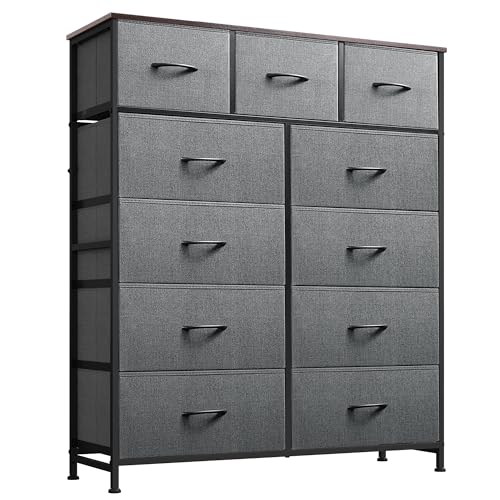
11 Drawer Dresser: The Complete Buying Guide
Everything you need to know about choosing, organizing, and living with an 11 drawer dresser. Expert insights on size, materials, drawer layout, and practical storage strategies for a truly organized bedroom.
START READINGWhy an 11 Drawer Dresser? When a standard four- or five-drawer dresser no longer keeps up with your wardrobe, an 11 drawer dresser offers the extra capacity, compartmentalization, and vertical storage that larger households and shared bedrooms genuinely need.
What Is an 11 Drawer Dresser and Who Is It For?
An 11 drawer dresser is a high-capacity storage piece that combines a tall vertical profile with an unusually generous number of drawers. Unlike a standard wide dresser with four to six large drawers, an 11 drawer unit typically mixes drawer sizes—small top drawers for accessories alongside deeper lower drawers for folded clothing and bulkier items. This makes it one of the most versatile bedroom storage solutions available.
This type of dresser is particularly well suited to several situations:
- Large or shared bedrooms where two people need separate storage zones within one piece of furniture.
- Households with extensive wardrobes that require dedicated compartments for shirts, pants, socks, activewear, and seasonal layers.
- Rooms with limited floor space where the vertical footprint of a tall dresser is more practical than a wide, low unit.
- Anyone transitioning from a closet-only setup who needs a comprehensive folding and accessory storage system.
If you are weighing a tall, many-drawer unit against smaller alternatives, our broader guide to choosing the right dresser covers the fundamentals of size, style, and material selection. For a direct capacity comparison, the 10 drawer dresser overview is a useful reference point, while the 12 drawer dresser guide shows what the next step up in capacity looks like.
Typical Dimensions and Space Planning
Because an 11 drawer dresser is a substantial piece of furniture, measuring your room before you commit is essential. While dimensions vary by manufacturer, most models fall within a predictable range:
| Dimension | Typical Range | What It Means for Your Room |
|---|---|---|
| Height | 50–70 inches | Provides extensive vertical storage; requires wall anchoring for safety. |
| Width | 40–60 inches | Must fit your wall with clearance for drawer pull-out and walking space. |
| Depth | 16–20 inches | Deeper models hold bulkier items but need more floor clearance. |
| Drawer Count | 11 drawers | Usually a mix of small, medium, and deep drawers for flexible organization. |
Allow at least 30 inches of clear floor space in front of the dresser for comfortable drawer access. If you are working with a compact bedroom, models that lean narrower—such as a 40 inch wide dresser—may be a better fit than a full-width unit. For rooms where the dresser must sit in a tight alcove, consider depth carefully; a 18 inch deep chest of drawers profile can help preserve walkway space.
Materials and Construction Quality
The material of an 11 drawer dresser directly affects how it feels, how long it lasts, and how well the drawers glide over years of daily use. Understanding the three broad quality tiers helps you match a dresser to your expectations.
Entry-Level Tier
Particle board or MDF with laminate or paper veneer. Serviceable for light use, but drawer mechanisms and joints are usually simpler. Best suited to temporary setups, guest rooms, or dorm environments.
Mid-Range Tier
Engineered wood core with real wood veneer and metal drawer glides. A balanced choice for most bedrooms, offering stable construction and smoother operation than entry-level builds.
Premium & High-End Tier
Solid wood construction—oak, maple, walnut, or pine—with dovetail joinery and full-extension glides. A long-term investment that ages gracefully and supports heavy daily use.
Pay close attention to drawer hardware. Full-extension slides allow you to reach the back of each drawer, which matters more on an 11 drawer unit than on a shallow four-drawer model. Reinforced drawer boxes and dovetail joints are hallmarks of durable construction. If you are comparing a tall chest against a wide dresser layout, our guide to dresser versus chest of drawers explains how drawer geometry affects usability.
How to Use 11 Drawers Efficiently
The real advantage of an 11 drawer dresser is compartmentalization. With more drawers, each category of clothing can have a dedicated home, which reduces clutter and makes getting dressed faster. A practical layout strategy looks like this:
- Top two drawers: socks, underwear, and small accessories. Use drawer dividers to separate categories.
- Third and fourth drawers: t-shirts, undershirts, and lightweight tops folded in a vertical filing style.
- Fifth through seventh drawers: shirts, blouses, and folded casual wear, one category per drawer.
- Eighth and ninth drawers: pants, jeans, and activewear.
- Bottom two drawers: bulky items such as sweaters, seasonal layers, or extra bedding.
Rotate seasonal clothing to the bottom drawers during warmer months so the most-used drawers stay at a comfortable reach height. Drawer dividers and shallow organizers are inexpensive additions that dramatically improve an 11 drawer setup. For deeper ideas, see our dresser organization guide and the dedicated drawer organization ideas collection.
Organization tip: Keep the most frequently accessed drawers between waist and eye level. With 11 drawers, the vertical zoning principle—light and small items up top, bulky items at the bottom—prevents the dresser from becoming a disorganized catch-all.
Safety Considerations for Tall Dressers
Any tall dresser with a high drawer count must be anchored to the wall. Tip-over incidents involving tall furniture are a well-documented risk, particularly in homes with young children. An 11 drawer dresser has a narrow base relative to its height, which makes anti-tip anchoring non-negotiable.
- Use the anti-tip kit supplied with the dresser, or purchase a wall-anchoring strap rated for the unit's weight.
- Anchor into wall studs wherever possible rather than drywall anchors alone.
- Avoid placing heavy items in the top drawers, which raises the center of gravity.
- Do not allow children to climb or hang on open drawers.
- Check the manufacturer's safety certifications and confirm the unit meets current furniture stability standards.
Safety should factor into your purchase decision as heavily as style and capacity. If you are furnishing a child's room, review nursery-specific guidance and always prioritize anchored, certified furniture.
Style, Finish, and Room Placement
An 11 drawer dresser is a tall, dominant piece, so its finish and style shape the character of the entire bedroom. Consider the following placement and style guidelines:
- Modern and minimalist bedrooms: choose a flat-front dresser in a neutral finish with slim metal pulls to keep the tall silhouette visually light.
- Traditional and farmhouse rooms: a wood-toned dresser with framed drawer fronts and classic hardware grounds the space and complements natural textures.
- Small rooms: a pale finish—white, natural wood, or light gray—prevents a tall unit from feeling heavy. A narrow footprint model keeps walkways open.
- Shared bedrooms: position the dresser so two people can access it comfortably, or pair it with a second smaller storage piece to divide zones.
For styling ideas above and around the dresser, explore our dresser styling tips and bedroom dresser ideas. If you plan to add a mirror, check the dresser mirror ideas guide for proportion advice on tall pieces.
11 Drawer Dresser vs. Similar Capacities
Understanding how an 11 drawer dresser sits within the wider market helps you choose confidently. The comparison below uses universal quality tiers and capacity descriptors rather than any numeric pricing.
| Option | Typical Tier | Best For | Trade-Off |
|---|---|---|---|
| 10 Drawer Dresser | Mid-range to premium | Couples needing near-equal capacity with a slightly lower profile | One fewer compartment for fine-grained organization |
| 11 Drawer Dresser | Mid-range to high-end | Large households, shared bedrooms, extensive wardrobes | Tall profile requires anchoring and generous wall space |
| 12 Drawer Dresser | Premium to luxury | Maximum compartmentalization and family storage | Larger footprint and higher visual weight in the room |
| 14 Drawer Dresser | High-end tier | Very large wardrobes and dedicated dressing rooms | Substantial floor and wall space required |
If your storage needs are growing, the 14 drawer dresser guide explores the next capacity level in detail. For households that need the widest possible drawer array, the 16 drawer dresser overview covers the largest standard configurations.
Buying Checklist Before You Commit
Before purchasing an 11 drawer dresser, run through this practical checklist to avoid the most common mistakes:
- Measure twice: confirm height, width, depth, and required drawer pull-out clearance against your room layout.
- Check drawer glide quality: full-extension metal slides with a smooth, quiet action are worth prioritizing.
- Inspect joinery: dovetail joints and reinforced drawer boxes signal durable construction.
- Confirm anchoring hardware is included: a wall-anchoring kit should be part of the package.
- Verify the drawer mix: a useful 11 drawer layout combines shallow accessory drawers with deeper clothing drawers.
- Match your style tier: decide up front whether an entry-level, mid-range, or premium construction matches your long-term plans.
- Plan delivery and assembly: tall units are heavy and often arrive flat-packed; check whether assembly is required.
If your bedroom layout cannot accommodate a tall dresser but you still need high capacity, the 48 inch wide dresser and 36 inch wide dresser options offer horizontal storage alternatives with a lower profile.
Frequently Asked Questions
What is an 11 drawer dresser best used for?
An 11 drawer dresser is ideal for large bedrooms, shared closets, and households that need extensive clothing storage. The high drawer count allows separate compartments for shirts, pants, socks, accessories, and seasonal items, making it a top choice for families or anyone with a substantial wardrobe.
How tall is a typical 11 drawer dresser?
Most 11 drawer dressers range between 50 and 70 inches in height, with widths typically between 40 and 60 inches and depths of 16 to 20 inches. Always measure your room and check the product dimensions before purchasing.
What materials are best for an 11 drawer dresser?
Solid wood dressers—such as oak, maple, or walnut—offer the best durability and long-term performance. Mid-range models often use engineered wood with wood veneer, which balances stability and appearance. Entry-level options typically use particle board or MDF with laminate finishes, which are serviceable but less durable over time.
How do I organize an 11 drawer dresser efficiently?
Assign each drawer a specific purpose: top drawers for accessories and delicates, middle drawers for folded shirts and pants, and bottom drawers for bulky items like sweaters or bedding. Use drawer dividers to keep categories separated, and rotate seasonal clothing to maximize space.
Is an 11 drawer dresser safe for households with children?
Tall dressers with many drawers should always be anchored to the wall using anti-tip straps or brackets. Look for models that include tip-over restraint kits and meet current furniture safety standards. Proper anchoring is essential for any tall storage furniture in homes with children.
Ready to Choose Your 11 Drawer Dresser?
Explore our curated selection of high-capacity dressers and storage pieces. Compare features, drawer layouts, and construction quality to find the model that fits your bedroom and your wardrobe.
VIEW RECOMMENDATIONS