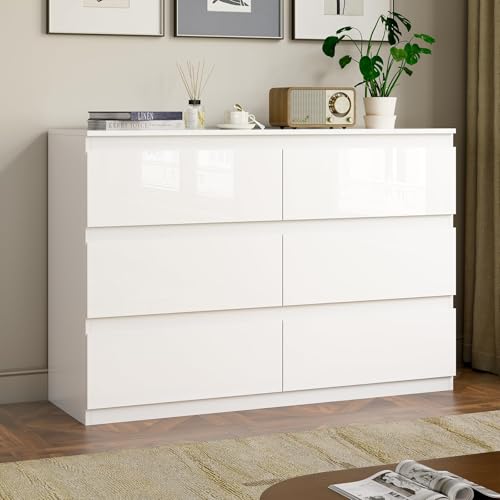
White 6 Drawer Dresser No Handles: The Sleek Storage Solution
A handleless white six-drawer dresser delivers a clean, minimalist look while offering generous bedroom storage. If you are researching this style before buying, this guide explains the design, materials, sizing, and organization so you can choose with confidence.
Jump to Buying ChecklistSearching for a white 6 drawer dresser no handles usually means you want a streamlined, modern silhouette without protruding hardware. Below you will find practical guidance on how handleless designs work, which materials hold up best, and how to plan drawer space for a tidier bedroom.
Why Choose a Handleless White Six-Drawer Dresser
A dresser without visible handles creates an uninterrupted surface that reads as calm and contemporary. Instead of knobs or pulls, these models rely on push-to-open mechanisms, integrated finger grooves, or recessed edges. The result is a furniture piece that blends into modern, Scandinavian, and transitional bedrooms while still providing six full drawers of storage.
If you are exploring similar layouts, our guide to the white 6 drawer dresser covers the broader category, while this page focuses specifically on the no-handle variation. For a different aesthetic, you might also compare the white 6 drawer dresser with gold hardware to see how hardware changes the overall feel.
Minimalist Appearance
No protruding pulls means a smooth front that resists visual clutter and suits pared-back bedroom design.
Push-to-Open Convenience
Many handleless models use a gentle press mechanism, so drawers open without reaching for a knob.
Six Full Drawers
Six drawers provide a balanced split between folded clothing, linens, and smaller accessories.
Clean White Finish
A white surface reflects light and helps smaller bedrooms feel brighter and more open.
How Handleless Designs Work
There are three common approaches to a no-handle dresser. The first is a push-to-open or push-latch system, where a light press releases the drawer. The second uses a continuous finger groove routed along the top or side of each drawer front. The third relies on a recessed lip that lets you grip the drawer edge directly. Each method affects how the dresser feels in daily use, so it helps to know which one matches your habits.
Push-to-open mechanisms feel smooth when the drawer slides are well made, but they benefit from quality runners. Finger grooves are simple and dependable because there are no moving parts to release. Recessed lips are the most traditional option and often appear on white 6 drawer chests that favor a clean but tactile front. If you prefer deep storage in a taller profile, the vertical dresser with deep drawers is worth reviewing as an alternative layout.
Quality Tiers for a White Six-Drawer Dresser
When comparing handleless white dressers, it helps to think in terms of construction tier rather than specific figures. The table below describes what you can generally expect from each level.
| Tier | Construction | Drawer Mechanism | Best For |
|---|---|---|---|
| Entry-level | Engineered wood with laminate or foil finish | Basic push-latch or groove | Guest rooms and starter setups |
| Mid-range | Engineered core with solid wood front or veneer | Metal ball-bearing slides, smoother release | Primary bedrooms with daily use |
| Premium | Solid wood frame and dovetail drawer boxes | Undermount soft-close with push-to-open | Long-term use and heavier loads |
| Luxury | Hardwood joinery and hand-finished surfaces | Precision soft-close hardware throughout | Design-led interiors and heirloom intent |
A mid-range model often offers the most balanced experience for a handleless dresser because the push-to-open hardware is smoother than on entry-level pieces. Premium and luxury tiers focus on drawer box joinery and hardware refinement. For a related comparison, see our notes on the white 6 drawer dresser nursery option, which emphasizes safe, stable construction.
Sizing and Placement Guidance
A six-drawer dresser is generally wider or taller than a four-drawer model, so measure your room before committing. Typical widths for a six-drawer layout sit in the range where the dresser can anchor a wall or pair with a bed. Depth matters too, because handleless fronts do not protrude, which can be helpful in narrow rooms where every inch of walking space counts.
If your bedroom is compact, a small dresser guide can help you compare footprints. For rooms where height is more available than floor area, the tall dresser category explains vertical storage. Handleless designs also work well in walk-in closets, and the walk-in closet chest of drawers article covers that placement in more detail.
Buying Checklist Before You Commit
- Measure the wall and walking clearance. Confirm the dresser width, depth, and height fit the intended spot with room to open drawers.
- Test the opening mechanism. Push-to-open drawers should release evenly and close flush without sticking.
- Check drawer box construction. Dovetail joints and sturdy bottoms handle heavier loads better than stapled boxes.
- Confirm the finish type. Painted or laminate white surfaces vary in durability, so review care instructions.
- Look for anti-tip hardware. A taller six-drawer dresser should be anchored to the wall for safety.
- Plan internal organization. Six drawers suit a mix of folded clothing, linens, and accessories when you divide them intentionally.
Organizing Six Drawers Without Handles
A handleless dresser encourages a tidy front, but the inside still needs a plan. A common approach is to dedicate the top drawers to smaller items such as socks and accessories, the middle drawers to folded tops, and the lower drawers to bulkier clothing or linens. Drawer dividers help keep categories separate so you are not rummaging through a single deep space.
For a deeper walkthrough, the dresser organization guide covers folding techniques and seasonal rotation. If you want to keep the interior as streamlined as the exterior, the drawer organization ideas page offers practical layouts for six-drawer configurations.
Editorial tip: Because handleless drawers can be harder to identify by touch, consider labeling the inside edge of each drawer temporarily while you build new habits. Once the layout feels natural, the labels can be removed.
Materials and Finish Considerations
White finishes are not all the same. Painted solid wood offers a classic look but can show chips over time. Laminate and foil finishes are resilient and easy to wipe, which suits busy households. Veneered engineered wood balances stability with a natural surface. Whichever you choose, confirm that the white finish is consistent across the drawer fronts, since handleless designs draw attention to the uninterrupted face.
If you are comparing white variations, the white dressers category covers the wider range of styles. For a slightly different finish direction, the washed natural dresser guide explores a softer, more textured look that pairs well with minimalist bedrooms.
Styling a Handleless White Dresser
The clean face of a no-handle dresser makes it an easy anchor for decor. Keep the top surface intentionally sparse with a lamp, a small tray, and one or two meaningful objects. Because there is no hardware to break up the front, artwork or a mirror above the dresser can carry more visual weight without feeling busy. For inspiration, see the dresser styling tips and the dresser top decor guides.
If you are furnishing a nursery, the nursery dresser ideas page includes safety-focused styling. For a broader bedroom refresh, the bedroom dresser ideas collection shows how a handleless white piece fits into different room layouts.
Frequently Asked Questions
Are handleless dressers harder to open?
Not necessarily. Push-to-open mechanisms and well-routed finger grooves are designed for easy daily use. The key is choosing a model with quality drawer slides so the release feels smooth rather than stiff.
Is a white six-drawer dresser suitable for a small bedroom?
A white finish helps a room feel brighter, and the flush front of a handleless design saves a small amount of clearance compared with protruding pulls. Always measure the footprint and walking space before buying.
Can I add handles later if I change my mind?
In some cases yes, but drilling into a finished white front requires care and can affect the surface. If you are unsure, choose the handleless look you want from the start or consult a furniture professional before modifying the piece.
How do I keep the white finish looking clean?
Use a soft, slightly damp cloth and avoid abrasive cleaners. Wipe spills promptly, especially on painted surfaces, and follow the manufacturer care instructions for the specific finish.
What should I look for in drawer hardware?
For a handleless dresser, look for smooth push-to-open release and soft-close return where possible. Metal ball-bearing slides are generally more durable than basic roller slides, and undermount slides offer a cleaner interior view.