
Three Drawer Dresser Changing Table Dresser: Complete Guide
A three drawer dresser changing table dresser combines nursery storage with a dedicated changing surface. Learn how to choose a safe, functional combo that grows with your baby and simplifies your nursery setup.
Explore Changing DressersWhy choose a three drawer dresser changing table dresser? This dual-purpose furniture piece consolidates nursery storage and diaper changes into a single footprint. Instead of investing in a separate changing table and dresser, you get both in one piece that converts to a standard dresser once your baby outgrows the changing phase. The three-drawer layout keeps essentials within arm's reach while the changing surface stays comfortable and secure.
What Is a Changing Table Dresser?
A changing table dresser pairs a flat, easy-to-clean changing surface with a dresser's storage drawers underneath. On most three drawer models, the top of the dresser is fitted with raised edges or a removable changing topper that holds a standard-sized changing pad. This design lets caregivers change diapers at a comfortable height while keeping diapers, wipes, and clothing in the drawers below.
The best changing dressers convert gracefully into standard dressers once the baby grows. Remove the topper and changing pad, and you have a durable dresser with years of use ahead. This long-term function makes them a practical choice for growing families and a worthwhile investment compared to single-purpose furniture. For a broader look at nursery storage, explore our nursery dressers and changing table dressers guides.
Three drawer models are the most common configuration in this category. They typically include a shallow top drawer for small items and larger lower drawers for clothing and linens. For a closer look at the standard three drawer configuration, see our 3 drawer dressers overview.
Essential Safety Features to Prioritize
Safety is the single most important consideration when selecting nursery furniture. A changing table dresser must be stable, secure, and compliant with current safety standards. Use this checklist to evaluate any model you are considering.
- Anti-tip anchoring: The dresser must include an anti-tip kit and be anchored to the wall. This is a non-negotiable safety requirement for any tall or loaded furniture in a child's room.
- Raised changing edges: The changing surface should have raised edges on all four sides to prevent the pad from sliding. Many models include a removable topper with a recessed tray.
- Secure changing pad: Ensure the pad has straps or a non-slip base to keep it in place during use. Never leave a baby unattended on any elevated surface.
- Sturdy base and legs: A stable base keeps the dresser from wobbling. Check for reinforcement at the joints and load-bearing corners.
- Non-toxic finishes: Choose a finish that is low in volatile organic compounds and free of lead and other harmful substances. This is especially important in a nursery.
- Compliant drawer stops: Drawers should include stops that prevent them from pulling out entirely, reducing the risk of falls and pinched fingers.
For broader nursery safety guidance, review our nursery chests resource and small bedroom storage ideas for layout strategies that keep pathways clear.
Common Drawer Layouts in Three Drawer Changing Dressers
Three drawer configurations offer practical storage without overwhelming a small nursery. The way the drawers are arranged affects how you organize diapers, clothing, and linens.
- Three Equal Drawers: A simple column of three uniform drawers. This layout provides predictable storage and works well for folded clothing and linens.
- Shallow Top, Deep Bottom: A shallow top drawer for diapers and wipes, with two larger lower drawers for clothing and blankets. This arrangement is common in dedicated changing dressers.
- Mixed Depth: Some models include a split top drawer for small items and two full-width lower drawers. This layout suits organized caregivers who like distinct categories.
Measure the interior drawer depth and height before purchase. Diaper packaging, wipe boxes, and folded clothing should fit comfortably with room to spare. Our dresser size guide provides detailed measurement guidance for nursery pieces.
Materials and Construction to Look For
Nursery furniture must hold up to frequent use and remain safe over time. Prioritize durable materials and quality joinery to ensure long-term performance.
- Solid Wood: Pine, oak, and maple are common choices for nursery dressers. Solid wood offers durability and can be refinished if needed. See our pine dressers and oak dressers resources.
- Engineered Wood: Modern engineered wood with reinforced joinery can be stable and safe for nursery use. Our solid wood vs engineered guide explains the trade-offs.
- Drawer Glides: Metal ball-bearing glides with soft-close mechanisms are preferable to basic slides for quiet, smooth operation in a nursery.
- Joinery: Dovetail joints indicate quality drawer boxes. Check drawer corner sturdiness and smooth interior surfaces.
- Non-toxic finishes: Choose finishes that are low-VOC, water-based, and free of lead and other harmful substances.
For a broader evaluation framework, see our dresser quality guide.
Changing Dressers by Quality Tier
Three drawer changing table dressers span a range of construction quality and finish levels. The table below uses universal tier descriptors to help you categorize options during your search. These tiers reflect market positioning and build quality, not any specific figure.
| Tier | Best For | Typical Characteristics |
|---|---|---|
| Entry-Level | Short-term nursery use | Engineered wood construction, basic drawer glides, painted finish. Good starter tier for budget-conscious families planning a short nursery phase. |
| Mid-Range | Primary nurseries, daily use | Solid wood or reinforced engineered construction, metal glides, dovetail drawer boxes, non-toxic finish, anti-tip kit included. Balanced tier for reliable everyday performance. |
| Premium | Design-focused nurseries, conversion to dresser | Solid hardwood, soft-close hardware, refined finishes, removable topper designed for long-term dresser use. High-end tier with refined details. |
| Luxury | Statement nurseries, long-term investment | Premium hardwood, hand-finished surfaces, custom hardware, and exceptional joinery. Flagship tier with enduring craftsmanship. |
A mid-range changing dresser with solid joinery and safety features typically serves daily nursery use better than an entry-level model with lighter construction. For more on tier selection without pricing details, see our dresser budget guide.
Organizing a Changing Table Dresser
Consistent organization makes diaper changes faster and keeps the nursery tidy. Assign drawers based on frequency of use and item size.
- Top drawer: Keep diapers, wipes, and diaper cream within arm's reach of the changing surface. Use dividers for small items.
- Middle drawer: Store onesies, bodysuits, and everyday clothing. Fold items so they can be grabbed quickly.
- Bottom drawer: Reserve for larger items like swaddles, blankets, and backup linens.
- Use dividers: Drawer dividers keep tiny items separated. See our drawer dividers guide.
- Rotate sizes: Keep only the clothing sizes your baby currently fits to avoid clutter. Our seasonal clothing storage guide covers rotation strategies.
For a complete nursery organization system, read our dresser organization guide and drawer organization ideas.
Placement Tips for a Changing Dresser
Placement affects both safety and convenience. Position the changing dresser where it is easily accessible and free from hazards.
- Near the crib: Position the changing dresser within a few steps of the crib for nighttime changes.
- Away from windows and cords: Avoid placing the changing surface near windows with blinds or curtains, and keep electrical cords out of reach.
- Firm, level floor: Set the dresser on a level floor to prevent wobbling. Anchor to the wall using the anti-tip kit.
- Clear drawer clearance: Leave at least 24 inches of clearance so drawers open fully without blocking pathways.
- Add a nightstand or storage bin: A nearby nightstand or storage bin keeps diapering essentials within reach.
For small nursery layouts, review our small bedroom storage ideas, dressers for small spaces, and apartment bedroom storage resources. Our bedroom storage hub rounds out broader layout strategies.
Buying Checklist for Three Drawer Changing Dressers
Before purchasing a changing table dresser, run through this practical checklist to confirm safety, function, and fit.
- Verify safety compliance: Confirm the dresser meets current safety standards and has no active recalls. Look for anti-tip kits and clear instruction sheets.
- Check changing surface dimensions: Ensure the top accommodates a standard changing pad and that raised edges secure it.
- Test drawer operation: Confirm drawers glide smoothly and include stops to prevent full pull-out.
- Confirm finish safety: Choose a low-VOC, non-toxic finish appropriate for nurseries and children.
- Verify conversion design: Confirm the topper can be removed cleanly so the dresser works as a standalone piece later.
- Measure your space: Confirm the footprint fits the nursery, doorway, and stairwell. Leave clearance for drawer access.
- Plan for organization: Coordinate with matching dresser and nightstand sets or a dresser with mirror when applicable.
For a structured evaluation framework, read our dresser buying guide and how to choose a dresser resources.
Recommended Three Drawer Dresser Changing Table Dressers
⚠️ AFFILIATE DISCLOSURE: This website contains affiliate links. As an Amazon Associate, we earn from qualifying purchases. If you make a purchase through these links, we may receive a small commission at no additional cost to you. Read our full affiliate policy.
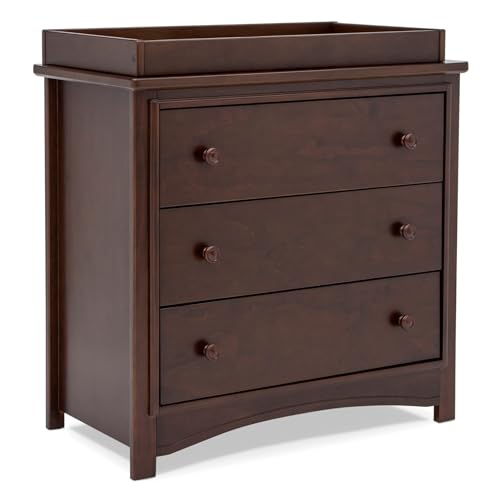
Delta Children Perry 3 Drawer Dresser with Changing Top and Interlocking Drawers, Walnut Espresso
Check price on Amazon
Cidaziya Baby Changing Table Dresser with 6 Wheel and 3 Drawer | Diper Station for Clothing & Diaper Changing, Nursery Baby Dresser for Baby Organizers and Storage, White, No Changing Pad
Check price on Amazon
Storkcraft Horizon 3 Drawer Chest with Removable Changing Topper, Driftwood | GREENGUARD Gold Certified, Includes Removable Changing Table Topper, Chest of Drawers for Nursery & Kids Bedroom, Durable
Check price on Amazon
Storkcraft Horizon 3 Drawer Chest with Removable Changing Topper, White | GREENGUARD Gold Certified, Includes Removable Changing Table Topper, Chest of Drawers for Nursery & Kids Bedroom, Durable
Check price on Amazon
Karl home Changing Table Dresser Baby Diaper Changing Station Infant Nursing Table with 3 Drawers, Safety Rail & Strap for Bedroom, Nursery, Gray
Check price on Amazon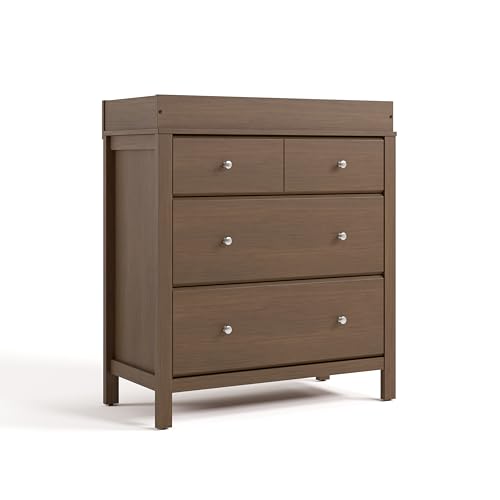
Storkcraft Horizon 3 Drawer Chest with Removable Changing Topper, Hazelnut | GREENGUARD Gold Certified, Includes Removable Changing Table Topper, Chest of Drawers for Nursery & Kids Bedroom, Durable
Check price on Amazon
DaVinci Jayden 3-Drawer Changer Dresser, GREENGUARD Certified, Chestnut | Baby Dresser w/ Changing Table Combo - Includes 3 Spacious Smooth-Glide Drawers - TSCA compliant & Easy to Assemble
Check price on Amazon
Cidaziya Baby Changing Table, 6 Large Drawers,Diaper Changing Station White | Changing Table Dresser with Divider in 3 Storage Bins,Baby Dresser with Changing Table Top,Changing Table Dresser for Nursery
Check price on AmazonFrequently Asked Questions
What is a three drawer dresser changing table dresser?
A three drawer dresser changing table dresser is a dual-purpose nursery furniture piece that combines a three-drawer dresser with a changing station on top. The changing area typically features raised edges or a removable topper and accommodates a standard changing pad. Once the baby outgrows the changing phase, the piece functions as a regular dresser.
How do I choose a safe changing table dresser?
Choose a dresser with a firm, stable base and an anti-tip kit that anchors it to the wall. Ensure the changing surface has raised edges on all four sides and that the changing pad secures to the dresser. Verify it meets current safety standards and check for recalls before purchasing.
What drawer size works best in a nursery changing dresser?
Three drawer configurations typically offer one shallow top drawer and two larger lower drawers. The shallow top drawer suits diapers, wipes, and small accessories, while the larger drawers handle clothing, swaddles, and linens. Confirm interior dimensions before purchase.
Can a changing table dresser be used after the baby grows up?
Yes. Most three drawer changing table dressers convert to a standard dresser once the changing pad and topper are removed. This makes them a long-term investment for the room and reduces the need to replace nursery furniture as the child grows.
Ready to Set Up Your Nursery?
Explore curated three drawer dresser changing table dressers and build a safe, organized nursery that grows with your child.
View Recommended Options