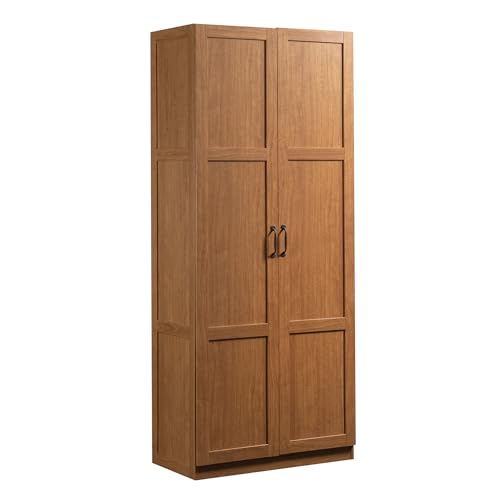
Solid Wood Armoire with Shelves: The Complete Buying Guide
Everything you need to know about choosing a solid wood armoire with shelves — shelf layouts, wood types, sizing, and smart organization for a well-ordered bedroom.
A solid wood armoire with shelves is one of the most versatile storage pieces you can add to a bedroom. Unlike a standard dresser, an armoire rises vertically, using wall height to free up floor space. Unlike a wardrobe that relies mainly on a hanging rod, a shelved armoire is built for folded clothing, linens, baskets, and accessories. This guide explains how shelf configuration, wood species, and interior layout affect real-world usability, so you can evaluate options with confidence before you commit to a purchase.
What Is a Solid Wood Armoire with Shelves?
A solid wood armoire with shelves is a tall, freestanding cabinet constructed primarily from solid wood — not particleboard or thin veneer over engineered core. The interior is organized with fixed or adjustable shelves, sometimes combined with a hanging rod, drawers, or doors with mirrored fronts. The defining feature is that the primary storage surface is horizontal shelving, which makes the piece ideal for items that fold flat or stack.
Because solid wood construction uses lumber rather than glued wood particles, these armoires tend to be heavier, more rigid, and more repairable over time. Joints can be tightened, surfaces can be refinished, and the structural frame generally withstands decades of use when properly maintained. If long-term durability is a priority, solid wood is the construction category to focus on. For a broader comparison of storage formats, see our guide on how to choose bedroom storage furniture.
Armoire vs. Wardrobe vs. Dresser
These terms are often used interchangeably, but they describe different interior layouts:
- Armoire: A tall cabinet, often with doors, that can contain shelves, drawers, a hanging rod, or a combination. Historically a French term for a large clothes cabinet.
- Wardrobe: Typically emphasizes hanging space for garments, with a rod running the full width or a large section of the interior.
- Dresser: A lower, wider piece built around drawers rather than doors and shelves.
If your clothing collection leans toward folded items, knitwear, linens, and accessories, a shelved armoire is often the most efficient choice. If you need hanging space for dresses and coats, look for a hybrid model with both shelves and a rod.
Shelf Configurations: Fixed, Adjustable, and Hybrid
The shelf layout determines how flexible the armoire will be over time. Before comparing finishes or door styles, decide which configuration matches the items you actually store.
Fixed Shelves
Fixed shelves are permanently attached to the frame, usually with dado joints or dowels. They add structural rigidity to the cabinet and generally support more weight than adjustable shelves of the same thickness. The trade-off is inflexibility: the spacing is set at the factory, so tall items may not fit in every compartment. Fixed shelves suit buyers with a stable, predictable storage routine — for example, stacked linens, sweaters, or folded bedding.
Adjustable Shelves
Adjustable shelves rest on pins, brackets, or a ladder system, letting you move them up or down to accommodate different item heights. This flexibility is valuable in a bedroom where storage needs shift seasonally — tall boot boxes in winter, low baskets in summer. The caveat is weight capacity: adjustable shelves typically handle lighter loads than fixed shelves, and the pins or brackets can wear over time. Check the manufacturer's stated shelf weight limits, especially if you plan to store heavy stacks of books or denim.
Hybrid Interiors
Many modern armoires combine both approaches: fixed shelves in the lower section for heavy items, adjustable shelves above, and a hanging rod in one half. A hybrid layout is the most practical choice for most households because it accommodates folded clothing, hanging garments, and accessories in one footprint. If you want to compare this format with drawer-based storage, our overview of solid wood armoires with drawers covers the alternatives.
Measuring Tip
Before ordering, measure the interior height of each shelf gap and compare it with your tallest folded stack, storage basket, or box. Also check the door opening width — a wide interior is useless if the doors are too narrow to pass large items through.
Wood Types for Solid Wood Armoires
The wood species affects weight, durability, grain character, and how the piece responds to humidity changes. Here is how the most common options compare:
| Wood Type | Durability | Character | Best For |
|---|---|---|---|
| Oak | High — dense and hard-wearing | Pronounced grain, rustic warmth | High-traffic bedrooms, family use |
| Maple | High — tight, hard grain | Subtle grain, clean modern look | Contemporary and minimalist interiors |
| Cherry | Medium-high — durable with care | Rich color that deepens with age | Traditional and transitional rooms |
| Walnut | Medium-high — strong and stable | Dark, luxurious grain patterns | Premium and statement pieces |
| Pine | Medium — softer, dents more easily | Knotty, casual, light-toned | Country, farmhouse, and cottage styles |
Solid wood responds to indoor humidity: it expands in damp conditions and contracts in dry air. In most climate-controlled homes this movement is minimal, but in very dry or very humid regions, keep the armoire away from heating vents and direct sunlight. A quality finish — oil, lacquer, or polyurethane — slows moisture exchange and protects the surface. For inspiration on matching wood tones to a room palette, browse our walnut furniture guide or the light oak finish overview.
Sizing Your Armoire: Dimensions That Matter
Armoires are tall, so ceiling height and door clearance matter as much as floor footprint. Standard bedroom armoires range roughly from 60 to 84 inches in height, 30 to 48 inches in width, and 18 to 24 inches in depth. Narrow models around 24 to 30 inches wide are useful in compact rooms, while wider units offer more shelf width for bulky items.
- Height: Confirm the unit fits under your ceiling with room to tilt it upright during assembly. Leave clearance above for ventilation.
- Width: Check that doors can open fully without hitting the bed, a nightstand, or a wall. Door swing is often overlooked in tight rooms.
- Depth: Deep armoires hold more but protrude into walkways. Measure the walking path between the armoire and the bed.
- Weight: Solid wood armoires are heavy. Verify the floor can support the load and plan for two people during assembly and positioning.
In small bedrooms, a tall, narrow armoire usually outperforms a wide unit because it uses vertical space without crowding the floor plan. Our guide to tall skinny bedroom storage covers related space-saving strategies.
Organizing an Armoire with Shelves
An armoire with shelves only works well if the interior layout matches how you fold and store items. A few practical habits make a large difference:
- Assign zones by frequency: Put everyday items at eye level, seasonal or occasional items on the top and bottom shelves.
- Use shelf dividers and baskets: Dividers prevent stacks from toppling, while baskets corral small accessories and keep the interior visually calm.
- Fold to shelf height: A consistent folding method — such as the file-fold or a uniform stack width — keeps every shelf usable.
- Rotate seasonally: Move off-season clothing to the highest shelf and bring current-season items into easy reach.
- Label storage boxes: Clear labels reduce the time spent searching and help the whole household maintain the system.
For a deeper system, read our dresser and drawer organization guide and the under-bed storage ideas to extend your bedroom's capacity.
Understanding Quality Tiers
Armoires vary widely in construction quality. Rather than focusing on numerical figures, evaluate the piece by its tier — this describes the position of the product in the market relative to others, based on materials, joinery, and hardware.
Essential Construction
Often uses thinner solid wood panels with simpler joinery and basic hardware. Suitable for light-duty storage and shorter ownership horizons. Expect less refined shelf adjustability and fewer interior features.
Balanced Construction
Thicker solid wood frames, better joinery, smoother door mechanisms, and more usable shelf layouts. A solid choice for most households that want durability without moving into flagship territory.
High-End Construction
Select-grade hardwood, reinforced joinery, premium hardware, and carefully finished interiors. Designed for long-term daily use and often available with customizable shelf configurations.
A mid-range armoire usually offers noticeably smoother door hardware and more consistent shelf spacing than an entry-level model, while a premium piece adds refinement in joinery, finish, and interior detailing. Match the tier to how heavily the armoire will be used — a guest room needs less than a primary bedroom shared by two people.
A Practical Buying Checklist
- Measure the room: Wall width, ceiling height, door swing clearance, and walking paths.
- Confirm solid wood construction: Look for solid wood in the frame, doors, and shelves — not just the visible surfaces.
- Check shelf type: Fixed, adjustable, or hybrid — and verify the stated weight capacity per shelf.
- Inspect hardware: Door hinges, handles, and shelf pins should feel solid and operate smoothly.
- Review the finish: A consistent, sealed finish protects against moisture and daily wear.
- Plan assembly: Solid wood units are heavy; check whether assembly is required and whether two people are needed.
- Consider safety: Tall cabinets should include wall-anchoring hardware, especially in homes with children or pets.
For side-by-side comparisons of storage formats, our dresser reviews and entry-level dresser picks cover related categories.
Ready to Compare Armoire Options?
Browse recommended solid wood armoires with shelves below, then use the checklist above to evaluate each option before you decide.
Explore Armoire OptionsFrequently Asked Questions
What is a solid wood armoire with shelves?
A solid wood armoire with shelves is a tall freestanding storage cabinet built primarily from solid wood, featuring interior shelving instead of or alongside a hanging rod. It is designed to store folded clothing, linens, accessories, and household items while keeping them accessible and organized.
How is an armoire with shelves different from a wardrobe?
A wardrobe typically emphasizes a hanging rod for garments, while an armoire with shelves prioritizes shelf-based storage for folded items, baskets, and stackable goods. Many armoires combine both features, offering shelves in one section and a hanging rod in another.
Which wood type is best for a solid wood armoire?
Oak, maple, cherry, walnut, and pine are common solid wood choices. Oak and maple offer dense, durable construction suitable for heavy daily use, while pine is lighter and softer. Walnut and cherry provide rich grain character for a premium look. The best choice depends on your durability needs, style preference, and room climate.
How much weight can armoire shelves hold?
Weight capacity depends on shelf thickness, span, and support. Fixed shelves in solid wood armoires typically handle heavier loads than adjustable shelves. For heavy stacks of linens or books, look for shelves at least one inch thick with center supports or dividers, and check the manufacturer's stated weight limits.
Are solid wood armoires with shelves suitable for small bedrooms?
Yes, but size selection matters. Narrow and tall armoires use vertical space efficiently in small rooms. Measure your available wall space, door swing clearance, and ceiling height before choosing. A tall, narrow armoire with adjustable shelves often works better in compact bedrooms than a wide unit.