Small Bathroom Vanity Ideas: Smart Storage & Style
Transform your compact bathroom with clever vanity solutions that maximize every inch. Explore space-saving designs, smart storage, and stylish options for small spaces.
EXPLORE IDEASWhy Small Bathroom Vanities Matter: A well-chosen vanity can make or break a small bathroom. The right design combines storage efficiency, comfortable clearance, and visual lightness—turning a cramped space into a functional, welcoming retreat.
Top Small Bathroom Vanity Styles
Choosing the right style for a compact bathroom requires balancing storage needs with spatial constraints. Below are the most effective vanity styles for small spaces, each offering distinct advantages for different layouts and priorities.
Floating & Wall-Mounted Vanities
Floating vanities are mounted directly to the wall, leaving the floor beneath open. This design creates a visual illusion of more space and makes cleaning easier. They work exceptionally well in narrow bathrooms where floor clearance is limited. Look for models with integrated drawers or open shelving to keep essentials accessible.
Best for: Narrow layouts, modern aesthetics, easy floor cleaning.
Corner Vanities
Corner vanities utilize otherwise wasted space where two walls meet. They are ideal for bathrooms with awkward layouts or where a standard rectangular vanity would block traffic flow. A corner model with a triangular or angled basin can free up significant floor area while still providing drawer storage.
Best for: Awkward floor plans, powder rooms, maximizing floor space.
Narrow Depth Vanities
Standard vanities are often 21 inches deep, but narrow-depth models (typically 12 to 18 inches) can fit into tighter spaces without sacrificing the basin. These are particularly useful in long, narrow bathrooms where every inch of width counts. Pair with a wall-mounted faucet to save additional counter space.
Best for: Narrow bathrooms, galley layouts, shallow alcoves.
Pedestal Sinks with Storage
While traditional pedestal sinks lack storage, newer designs incorporate a slim cabinet or shelving unit around the pedestal. This hybrid approach retains the airy look of a pedestal sink while adding essential storage for toiletries and small linens.
Best for: Very small bathrooms, vintage-inspired spaces, minimal storage needs.
Smart Storage Solutions for Compact Vanities
Storage is the primary challenge in small bathrooms. The following strategies help you make the most of every square inch without adding visual clutter.
Prioritize Drawers Over Doors
Drawers offer more accessible and organized storage than deep cabinet doors. In a small vanity, a stack of two or three drawers can hold toiletries, grooming tools, and small linens more efficiently than a single cabinet space. Add drawer dividers to keep items categorized and easy to find.
Use Vertical Space with a Tall Cabinet
If floor space is limited but wall height is available, a tall, narrow cabinet beside or above the vanity can provide significant storage. A wall-mounted cabinet above the toilet or a slim tower next to the vanity keeps frequently used items within reach without consuming floor area.
Incorporate a Mirror with Shelving
A mirror with built-in shelves or a medicine cabinet adds storage without requiring additional floor space. This is especially useful for storing daily essentials like toothpaste, skincare, and shaving supplies while keeping the countertop clear.
Add Open Shelving or Baskets
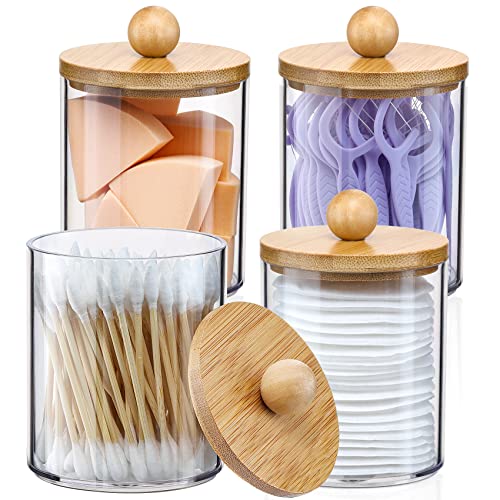
Open shelving below a floating vanity or on adjacent walls can hold rolled towels, decorative jars, or baskets for miscellaneous items. Baskets keep small items contained and add a textural, organized look to the space. Choose lightweight, wall-mounted shelves to avoid visual heaviness.
Utilize the Space Behind the Door
An over-the-door organizer or a slim wall-mounted rack behind the bathroom door can hold cleaning supplies, extra toilet paper, or hanging towels. This often-overlooked area adds functional storage without interfering with the vanity layout.
Design Principles for Small Bathroom Vanities
Beyond storage, the visual design of a small vanity affects how spacious the bathroom feels. These principles help create an open, uncluttered atmosphere.
- Choose light colors and reflective surfaces. White, light gray, or pale wood tones reflect light and make the space feel larger. A glossy or semi-gloss finish on the vanity cabinet adds a subtle reflective quality.
- Opt for a vessel or undermount sink with a slim profile. A shallow basin preserves counter space and creates a cleaner sightline. Wall-mounted faucets further reduce countertop clutter.
- Keep the countertop clear. Use drawer organizers and wall-mounted accessories to store daily items off the counter. A single decorative tray for soap and a small plant is often sufficient.
- Use consistent hardware and finishes. Matching drawer pulls, faucet finish, and lighting fixtures creates a cohesive look that distracts from the small size of the room.
- Maximize lighting. A well-lit vanity area feels larger and more inviting. Combine overhead lighting with task lighting beside the mirror to eliminate shadows and brighten the space.
Common Mistakes to Avoid
When selecting a small bathroom vanity, avoiding these common pitfalls can save you from costly replacements and daily frustration.
❌ Oversizing the Vanity
A vanity that is too large for the space will block traffic flow and make the bathroom feel cramped. Always measure the available wall space and account for door swing clearance before choosing a size.
❌ Ignoring the Door Swing
A vanity door that opens into the room can obstruct movement. Consider a model with drawers or sliding doors, or ensure the door swing does not conflict with the bathroom entry or shower door.
❌ Choosing Form Over Function
A stylish pedestal sink with no storage may look elegant, but it forces toiletries onto the counter or floor. Prioritize storage and practicality alongside aesthetics in a small space.
❌ Neglecting Ventilation and Moisture
Small bathrooms are prone to moisture buildup. Choose a vanity made from moisture-resistant materials (such as engineered wood with a sealed finish) and ensure proper ventilation to prevent warping and mold.
Frequently Asked Questions
What is the best vanity style for a small bathroom?
A wall-mounted or floating vanity is often the best choice because it frees up floor space and creates a visual sense of openness. A corner vanity or a narrow-depth model can also work well in compact layouts.
How can I maximize storage in a small bathroom vanity?
Maximize storage by choosing a vanity with drawers rather than cabinet doors, adding drawer dividers, using vertical space with a tall cabinet, and incorporating a mirror with built-in shelving. Open shelving and baskets can also add functional storage without visual bulk.
Should I choose a pedestal sink or a vanity for a small bathroom?
A pedestal sink saves floor space but offers no storage. A small vanity provides essential storage for toiletries and linens, making it a more practical choice for most small bathrooms. If storage is critical, a compact vanity is usually the better option.
What size vanity fits a small bathroom?
Small bathroom vanities typically range from 18 to 36 inches wide. A 24-inch vanity is a common choice for tight spaces, while a 30-inch model offers more counter space. Measure your available wall space and leave clearance for doors and traffic flow.
How do I keep a small bathroom vanity from feeling cramped?
Choose light colors, add a mirror to reflect light, keep the countertop clear, and use floating or wall-mounted designs to create an open feel. Consistent hardware and good lighting also help the space feel larger and more cohesive.
Final Takeaway: The ideal small bathroom vanity balances storage, clearance, and visual lightness. Prioritize drawers over doors, consider floating or corner designs, and keep the countertop clear. With the right vanity and smart storage accessories, even the smallest bathroom can feel organized and spacious.