Organizing Newborn Dresser
A practical, room-by-room guide to creating a safe, efficient, and clutter-free nursery dresser for your baby's first year.
Jump to EssentialsCongratulations on your new arrival! Organizing a newborn dresser is more than just folding tiny onesies—it's about creating a system that saves you time during those sleep-deprived nights and keeps everything safe within reach. This guide walks you through every drawer, from general dresser organization principles to baby-specific safety hacks, so you can feel confident and prepared.
1. Why a Dedicated Newborn Dresser Matters
A well-organized dresser is the command center of your nursery. It reduces stress, speeds up diaper changes, and helps you track which clothes still fit. Unlike standard dressers, a newborn dresser should prioritize safety, accessibility, and flexibility. Many parents start with a changing table with drawers and later transition to a standard dresser, but the core principles remain the same.
🔒 Safety First
- Anchor the dresser to the wall to prevent tipping.
- Choose non-toxic, lead-free finishes.
- Use soft-close drawer slides to avoid pinched fingers.
- Keep hazardous items (diaper cream, wipes) out of reach but accessible for adults.
⚡ Efficiency Boost
- Group outfits by size and type (onesies, sleepers, pants).
- Keep a "change station" with diapers, wipes, and bags in the top drawer.
- Use drawer dividers to separate items and prevent chaos.
- Rotate seasonal clothing to keep the dresser uncluttered.
2. Step-by-Step Drawer Planning for Your Newborn Dresser
Every drawer should have a clear purpose. Here’s a proven system used by professional organizers and experienced parents.
Top Drawer: The Change Station
This is your most-used drawer. Fill it with diapers, wipes, diaper cream, changing pad liners, and a few burp cloths. Consider using a dresser top organizer to keep small items in place. If your dresser is a double dresser, you have extra width to store bulkier items like a changing pad or a small basket of toys for distraction.
Middle Drawer: Clothing (0–3 Months)
Use drawer dividers to separate onesies, sleepers, pants, and socks. Roll clothes instead of folding them flat—this saves space and makes it easier to see each item. For newborns, prioritize kimono-style tops or snap-front onesies to avoid pulling clothes over their head. If you have a lingerie chest dresser with narrower drawers, this is the perfect spot for small accessories like hats, mittens, and booties.
Bottom Drawer: 3–6 Months & Spares
Store the next size up, along with extra blankets, swaddles, and nursery supplies. As your baby grows, you can swap the contents. For taller dressers like a tall cabinet with doors, reserve the bottom drawer for less-frequently-used items like seasonal clothing or extra sheets.
3. Essential Gear & Accessories for Your Newborn Dresser
Beyond clothes, your dresser should store key baby care items. Here’s what to include:
- Diapers & wipes – keep a 2–3 day supply in the top drawer.
- Diaper cream & powder – choose unscented, hypoallergenic options.
- Burp cloths & bibs – stash a few in each drawer for quick access.
- Swaddles & receiving blankets – keep one or two in the middle drawer for easy reach.
- Nail clippers, thermometer, and nasal aspirator – store in a small caddy on the dresser top.
- Extra pacifiers & teething toys – have a few on hand for soothing moments.
For parents who prefer a more compact solution, a dresser with sliding drawers can maximize space in smaller nurseries while keeping everything accessible.
4. Safety & Maintenance Tips
Newborns are curious and fragile, so safety is paramount.
- Anchor your dresser – always secure it to the wall to prevent tipping. This is especially important for taller pieces like a tall cabinet with doors.
- Check hardware – ensure handles and knobs are tightly fastened. For safety, choose rounded or recessed handles to prevent snags.
- Use drawer stops – prevent drawers from sliding out completely.
- Keep cords and small items out of reach – use cord shorteners on any electronics (baby monitor, lamp) placed on the dresser.
- Regularly inspect for wear – as your baby grows, they may pull on drawers, so check for loose parts often.
5. Long-Term Organization: Growing with Your Baby
Your newborn dresser will evolve as your baby grows. Start with a system that’s easy to adapt:
- Use clear bins or baskets inside drawers to separate sizes and types.
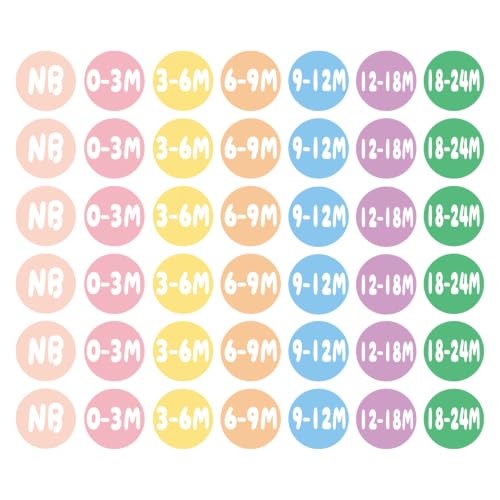
- Label shelves and drawers with removable labels so you can change them as needs shift.
- Schedule seasonal refreshes – every 3 months, rotate out clothes that don’t fit and bring in the next size.
- Keep a donation box nearby so you can easily pass on outgrown items.
As your baby becomes a toddler, you might transition to a children's bedroom dresser with more durable construction and fun, colorful designs. The organizational habits you build now will serve you well for years to come.
Ready to create your perfect newborn dresser? Start with a solid foundation—choose a dresser that meets your space and safety needs, then organize with intention. Your future self will thank you during those 3 AM feedings.
Explore our complete dresser buying guide for more tips on selecting the right piece for your nursery.