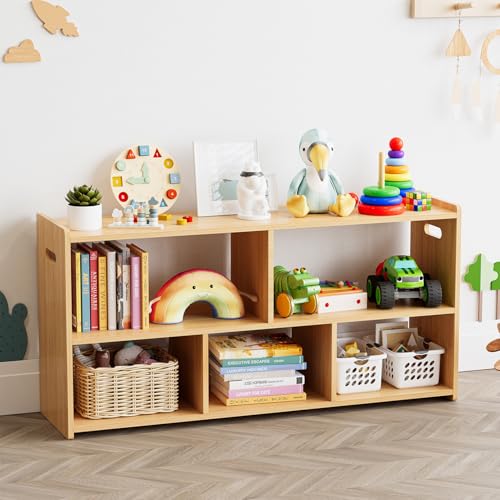
Montessori Dresser: Child-Friendly Storage for Independent Kids
Discover how a Montessori dresser transforms your child's bedroom into a space that encourages independence, organization, and confidence. Learn what makes these low-height, accessible storage pieces different from standard dressers.
EXPLORE THE GUIDEWhy a Montessori dresser matters: In a Montessori-inspired bedroom, furniture is scaled to the child. A dresser that a toddler can reach and operate independently supports self-dressing, tidiness, and decision-making from an early age. This guide covers the design principles, safety considerations, and practical features to look for when choosing one.
What Is a Montessori Dresser?
A Montessori dresser is a low-profile storage unit designed specifically for children to use on their own. Unlike traditional dressers that are built to adult height, a Montessori dresser places drawers within easy reach of a toddler or young child. The concept comes from the Montessori philosophy of education, which emphasizes independence, order, and respect for the child's developmental stage.
These dressers typically feature shallow drawers, smooth-glide mechanisms, and stable construction so that a child can open, close, and organize their belongings without adult assistance. Many parents pair a Montessori dresser with a small chest of drawers for nursery to create a cohesive, child-accessible storage system from infancy through the early school years.
Key Features of a Montessori Dresser
Child-Level Height
The top surface and all drawers sit low enough for a toddler to reach comfortably. This is the defining characteristic that separates a Montessori dresser from a standard bedroom dresser.
Accessible Drawers
Drawers are lightweight and slide smoothly, often with soft-close or easy-pull hardware. Children can open and close them without frustration or risk of pinching.
Stable and Safe Build
Anti-tip straps, rounded corners, and a low center of gravity are essential. A well-built Montessori dresser stays firmly in place even when a child pulls on an open drawer.
Simple, Calm Design
Montessori furniture typically uses natural wood tones, clean lines, and minimal ornamentation to reduce visual clutter and support a calm environment.
Right-Sized Capacity
Drawers are shallow and sized for children's clothing, making it easy for kids to see and choose their own outfits without digging through deep piles.
Durable Materials
Solid wood construction and quality joinery ensure the dresser withstands years of daily use by young children. Look for non-toxic finishes and sturdy drawer slides.
Benefits of Choosing a Montessori Dresser
- Encourages independence: When children can reach their clothes and put them away without help, they build self-reliance and confidence in daily routines.
- Supports organizational skills: Shallow, accessible drawers make it easy for kids to sort clothing by category and maintain order — a core Montessori principle.
- Reduces bedtime friction: Children who can dress themselves and tidy up independently experience smoother mornings and evenings.
- Grows with your child: Many Montessori dressers remain functional from toddler years through early elementary school, making them a long-term investment in your child's room.
- Safer than adult-height furniture: Low-profile designs reduce the risk of climbing accidents and tip-overs compared to tall, adult-sized dressers.
- Promotes respect for the environment: A child-sized space that is orderly and beautiful teaches children to care for their belongings and their room.
Montessori Dresser vs. Standard Dresser
| Feature | Montessori Dresser | Standard Dresser |
|---|---|---|
| Height | Child-level, accessible to toddlers | Adult-height, requires assistance |
| Drawer Access | Easy-pull, lightweight, smooth-glide | May be heavy or stiff for small hands |
| Design | Minimal, natural, calm | Varied, often ornate or decorative |
| Safety Focus | Anti-tip, rounded edges, low center of gravity | Varies; anti-tip may be optional |
| Intended User | The child | The adult caregiver |
| Ideal Room | Montessori bedroom, nursery, playroom | Primary bedroom, guest room |
What to Look for When Buying a Montessori Dresser
Before you choose a Montessori dresser, evaluate these critical factors to ensure the piece truly supports your child's independence and safety:
- Height appropriate for your child: The top of the dresser should be at or below your child's shoulder level so they can see and reach into the top drawer comfortably.
- Drawer glide quality: Look for smooth, self-closing, or soft-close drawer slides. Stiff or noisy drawers discourage children from using them independently.
- Anti-tip hardware included: Every children's dresser should come with wall-anchoring straps. This is non-negotiable for safety.
- Non-toxic finish: Choose water-based, low-VOC finishes and solid wood over particleboard with heavy chemical coatings, especially for a child's room.
- Drawer depth and count: Shallow drawers work best for children's clothing. A 3-drawer or 4-drawer configuration is often ideal for toddler wardrobes.
- Stable base: A wide, solid base prevents tipping. Avoid narrow, tall designs that a climbing child could topple.
- Easy-to-clean surfaces: Children's furniture should wipe clean easily. Natural wood with a durable finish is a practical choice.
How to Set Up a Montessori Dresser in Your Child's Room
Place It at Eye Level
Position the dresser so your child can see the top surface and reach the drawers without stretching. Keep the area in front of it clear for easy access.
Organize by Category
Use the top drawer for daily essentials like socks and underwear, middle drawers for shirts and pants, and lower drawers for bulkier items like sweaters.
Use Child-Sized Baskets
Small baskets or dividers inside drawers help children sort items and keep the space tidy. Label them with pictures or simple words for pre-readers.
Pair with a Low Mirror
Mount a child-height mirror nearby so your child can see themselves while dressing. This supports self-care routines and body awareness.
Keep the Top Surface Minimal
A calm, uncluttered surface with one or two meaningful items reinforces the Montessori principle of order and simplicity.
Rotate Clothing Seasonally
Keep only the current season's clothing in the dresser. This makes it easier for children to choose outfits and keeps drawers manageable.
Ready to Create a Child-Friendly Bedroom?
Explore our curated selection of Montessori dressers and related storage pieces designed to support your child's independence and safety.
VIEW RECOMMENDED DRESSERSFrequently Asked Questions About Montessori Dressers
What age is a Montessori dresser suitable for?
A Montessori dresser is typically suitable from around 18 months to 2 years old, when a toddler begins to walk and show interest in self-dressing. Many children continue using their Montessori dresser through ages 5 to 7, depending on the height and configuration.
Can I use a regular dresser as a Montessori dresser?
You can adapt a low, sturdy standard dresser for Montessori use by adding anti-tip straps, keeping only child-accessible items in lower drawers, and ensuring the drawer glides are smooth enough for small hands. However, a purpose-built Montessori dresser typically offers better proportions and safety features.
How many drawers should a Montessori dresser have?
Most Montessori dressers have 3 to 5 drawers. A 3-drawer or 4-drawer configuration is usually sufficient for a toddler's clothing rotation. The key is that each drawer is shallow and easy for a child to open and close independently.
Is a Montessori dresser safe for climbing toddlers?
When properly anchored to the wall with anti-tip hardware, a Montessori dresser is safe. Its low height and stable base reduce the risk of tipping. Never skip wall anchoring, and avoid placing tempting items on top of the dresser that might encourage climbing.
What materials are best for a Montessori dresser?
Solid wood — such as pine, birch, or maple — is the preferred material for Montessori furniture because it is durable, repairable, and free from the heavy chemical binders found in some engineered woods. Look for water-based, non-toxic finishes and FSC-certified wood where possible.
Can a Montessori dresser be used in a nursery?
Yes. Many parents introduce a Montessori dresser in the nursery as a low changing station or storage unit before transitioning it to a self-dressing dresser as the child grows. Just ensure all drawers are secured and the unit is anchored to the wall from day one.