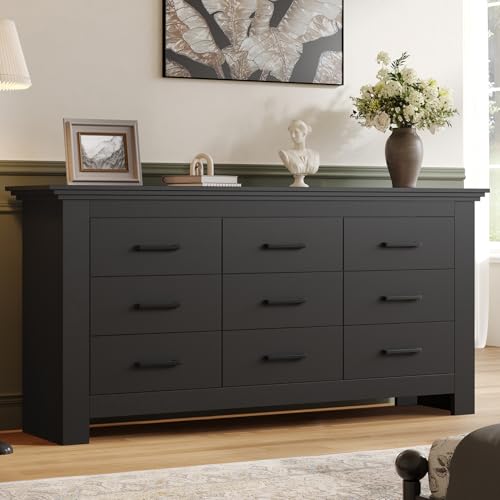
Gothic Dresser: Dark Elegance Meets Bedroom Storage
Discover how a gothic dresser can transform your bedroom with dramatic silhouettes, ornate details, and moody sophistication. Our complete guide covers styles, materials, and practical selection tips.
Explore the GuideWhy a Gothic Dresser? Gothic design brings together history, atmosphere, and craftsmanship. A gothic dresser is more than storage — it is a statement piece that anchors your bedroom with depth and character. Whether you lean toward Victorian-inspired ornamentation or sleek dark minimalism, this guide helps you choose with confidence.
What Makes a Dresser Gothic?
The term gothic dresser describes bedroom storage furniture that draws on the visual language of Gothic architecture and design traditions. While interpretations vary, several signature elements appear consistently in well-crafted gothic pieces:
- Dark finishes: Black, deep espresso, charcoal, midnight blue, and rich mahogany stains dominate the gothic palette. These finishes create the moody, dramatic atmosphere that defines the style.
- Ornate carvings and motifs: Look for pointed arches, quatrefoils, tracery patterns, and foliate carving inspired by cathedral windows and medieval woodwork.
- Heavy metal hardware: Iron ring pulls, aged brass handles, and decorative escutcheons add authenticity. Some gothic dressers feature elaborate lock plates and keyhole covers.
- Dramatic silhouettes: Tall proportions, steeply pitched crown molding, and substantial bases give gothic dressers a commanding presence.
- Rich texture: Reeded drawer fronts, raised panel details, and cathedral-grain veneers add visual depth that complements the dark finish.
It is worth noting that gothic style exists on a spectrum. A black dresser with simple metal pulls can read as gothic-minimalist, while a heavily carved piece with pointed arches leans toward Victorian Gothic revival. Understanding where your taste falls on this spectrum helps you narrow your search efficiently.
Gothic Dresser Styles and Variations
The gothic aesthetic has evolved across centuries, producing several distinct dresser styles. Each variation offers a different balance of ornamentation, formality, and versatility.
Victorian Gothic Revival
This style draws directly from the 19th-century Gothic Revival movement. Expect richly carved mahogany or oak, pointed arch panels, and elaborate brass or iron hardware. Victorian Gothic dressers often feature marble tops and mirrored backs. These pieces suit traditional bedrooms with high ceilings and layered textiles.
Dark Modern Gothic
Contemporary gothic dressers strip away heavy carving in favor of clean lines and dramatic finishes. A matte black dresser with slim iron handles and a floating base can feel both modern and gothic. This style works well in urban apartments and minimalist bedrooms where a single dark statement piece anchors the room.
Rustic and Medieval-Inspired Gothic
Rustic gothic dressers use reclaimed wood, hand-forged iron hardware, and visible joinery to evoke medieval and country manor aesthetics. These pieces pair naturally with stone accent walls, exposed beams, and natural textiles. A rustic dresser with iron strap hinges can deliver gothic character without formal ornamentation.
Glam Gothic
Glam gothic combines dark finishes with metallic accents, mirrored panels, and velvet-lined drawers. This style appeals to those who want gothic drama with a touch of luxury. A black dresser with gold hardware captures the glam gothic mood beautifully.
Key Factors When Choosing a Gothic Dresser
Selecting a gothic dresser involves more than picking a dark finish. Consider these practical factors to ensure your piece serves both aesthetic and functional needs.
Size and Proportion
Gothic dressers tend to be substantial, so measure your space carefully. Consider the height of your bed, the placement of windows, and traffic flow. A tall dresser maximizes vertical storage in compact rooms, while a wide dresser provides generous drawer space for larger bedrooms. For narrow spaces, a narrow dresser with a tall silhouette preserves the gothic verticality without overwhelming the floor plan.
| Dresser Type | Best For | Gothic Character |
|---|---|---|
| Tall chest (5–7 drawers) | Small bedrooms, vertical storage | Dramatic height, cathedral-like presence |
| Wide dresser (6–9 drawers) | Master bedrooms, shared storage | Expansive carved fronts, grand proportion |
| Bachelor chest (3–4 drawers) | Guest rooms, accent pieces | Compact ornate detail, rich finish |
| Lingerie chest (7+ narrow drawers) | Small spaces, jewelry and accessories | Slim vertical silhouette, decorative hardware |
Materials and Construction
Solid wood is the preferred material for gothic dressers because it accepts dark stains and carved detailing with superior depth. Oak, mahogany, and walnut are traditional choices. Engineered wood with quality veneers offers a durable alternative in the mid-range tier, though carved details may be less crisp than on solid wood. Metal dressers in iron or steel can deliver a stark gothic look, especially in industrial-inspired bedrooms.
Drawer construction matters as much as the exterior. Dovetail joints, metal drawer glides, and reinforced bottoms indicate a piece built for long-term use. In the entry-level tier, expect stapled or glued drawer boxes with basic glides; mid-range and premium pieces typically offer dovetailed drawers and smooth, heavy-duty slides.
Hardware and Finishes
Hardware is where gothic dressers often reveal their quality. Look for solid metal pulls rather than plated plastic. Iron ring pulls, aged brass handles, and ornate backplates reinforce the gothic theme. Some pieces feature faux keyholes or working locks for added authenticity. Finishes should be consistent and evenly applied, with no visible drips or thin patches.
Drawer Count and Organization
Your storage needs determine the ideal drawer count. A 3 drawer dresser works well for light storage or a guest room, while a 6 drawer dresser offers balanced capacity for a primary bedroom. For shared spaces or extensive wardrobes, a 9 drawer dresser provides generous organization. Consider drawer depth as well: deeper drawers suit bulky items like sweaters, while shallower drawers work better for folded shirts and accessories.
How to Style a Gothic Dresser in Your Bedroom
A gothic dresser is a focal point, so styling should enhance rather than compete with its drama.
- Lighting: A dark dresser can absorb light. Place a table lamp with a warm bulb on one side, or install wall sconces above the dresser. Soft, layered lighting brings out the richness of dark wood without making the room feel gloomy.
- Mirror: A large mirror above the dresser reflects light and adds depth. Choose a simple frame in black, iron, or aged brass to complement the gothic aesthetic without duplicating ornate carving.
- Decor restraint: Let the dresser be the statement. Use one or two decor pieces — a sculptural vase, an antique clock, or a framed monochrome print — rather than filling every surface.
- Textiles: Deep jewel tones in bedding and curtains — emerald, plum, burgundy — harmonize with gothic dressers. A green dresser can also serve as a gothic-adjacent statement piece when paired with dark hardware.
- Floor protection: Heavy gothic dressers can mark floors. Use felt pads under the feet and avoid dragging the piece when repositioning.
Caring for Your Gothic Dresser
Dark finishes show dust readily, so regular care keeps your dresser looking its best.
- Dust weekly with a soft, dry microfiber cloth. Avoid wet cloths on wood surfaces.
- Use a wood-safe polish appropriate for the finish. Test in an inconspicuous area first.
- Keep the dresser out of direct sunlight to prevent fading and uneven finish wear.
- Tighten hardware periodically. Iron and brass pulls can loosen with use.
- Address scratches promptly with a matching wood touch-up marker or wax filler.
Gothic Dresser FAQ
What defines a gothic dresser?
What materials are best for gothic dressers?
How do I style a gothic dresser in a modern bedroom?
Are gothic dressers suitable for small bedrooms?
Where can I find gothic dressers in different styles?
Final Considerations Before You Choose
A gothic dresser is a long-term investment in your bedroom's character. Before finalizing your decision, confirm the following:
- Measure twice: Verify that the dresser fits your intended space and that the drawer fronts can open fully.
- Check the finish samples: If buying online, review customer photos to gauge the true color and sheen.
- Read construction details: Look for dovetail joints, solid metal hardware, and quality drawer glides.
- Plan assembly: If the piece ships disassembled, review the instructions and required tools. For vintage or antique pieces, inspect joints and hardware before committing.
- Consider the long term: A well-built gothic dresser can serve for decades. Prioritize construction quality over surface decoration when weighing options.
For further reading on selecting storage that fits your bedroom's proportions and style, explore our dresser size guide and complete dresser buying guide. If you are furnishing a nursery or guest room, our dresser and nightstand sets guide can help you coordinate a complete look.