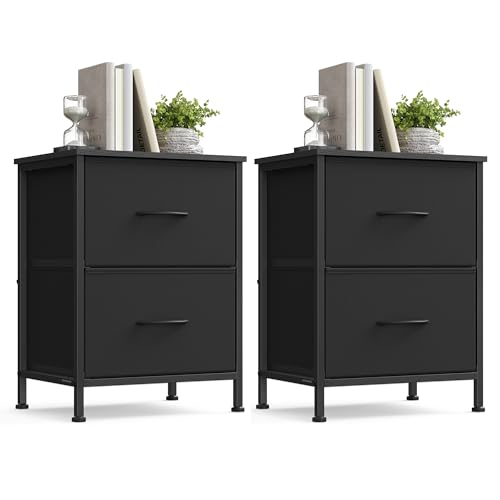
Bedside Tables Set of 2: The Complete Buyer's Guide
Everything you need to know before choosing a matching pair of nightstands — sizes, materials, drawer configurations, and styling tips for a balanced, functional bedroom.
Start the GuideWhy buy a bedside table set of 2? A matched pair creates visual symmetry on both sides of your bed, guarantees identical proportions and finishes, and removes the guesswork of mixing and matching. This guide walks you through the practical decisions — footprint, height, storage, materials, and assembly — so you can choose a pair that fits your room and your daily routine with confidence.
Whether you are furnishing a primary bedroom, a guest room, or a starter apartment, the right set of nightstands improves both the look and the livability of your space. Use the sections below as a step-by-step checklist before you add a pair to your cart.
Bedside Table Set of 2 Buying Guide
Bedside tables are small pieces, but they carry a lot of responsibility: they hold your essentials within arm's reach, anchor the visual balance of the bed wall, and set the tone for the entire bedroom. A set of 2 removes the mismatch problem, but it also means you should measure carefully once and get both tables right. Start with the essentials below.
1. Measure Your Space First
Before browsing styles, measure the clear space on both sides of your bed. You need enough room to open drawers fully and to walk around the bed comfortably. A common guideline is at least 24 inches of walking clearance between the nightstand and a wall or closet door. For tighter rooms, look for narrow designs or tables with a single drawer and an open shelf, which keep the footprint compact without sacrificing utility.
- Bedside clearance: leave at least 2–3 inches between the table edge and the mattress for easy reaching.
- Height: the tabletop should sit level with or slightly below the mattress top — typically 22 to 28 inches from the floor.
- Width: 18 to 24 inches is a versatile range for most bedrooms; smaller rooms may call for 16 to 18 inches.
- Drawer swing: account for the arc of any drawer you plan to open frequently.
2. Choose the Right Height and Proportions
Symmetry is the main advantage of a matched pair, so both tables should share the same height and depth. If your bed is taller than average, look for mid-range or premium sets that offer taller frames, or choose a design with a slightly elevated shelf. A table that is too low forces you to bend; one that is too high competes with the mattress and looks unbalanced. For a deeper look at proportion and sizing across bedroom furniture, see our dresser buying guide, which covers many of the same measurement principles.
3. Pick a Storage Configuration
Storage needs vary by person and by side of the bed. A set of 2 lets you choose a consistent configuration for both tables, which keeps the bedroom visually calm. Consider these common layouts:
Single Drawer
Best for entry-level and starter tier sets. Ideal for glasses, chargers, and a book. Light and easy to move.
Two or Three Drawers
The balanced tier for most bedrooms. A top drawer for essentials and a deeper drawer for sleepwear or reading material.
Drawer + Open Shelf
Mid-range favorite. The shelf adds flexible space for baskets, magazines, or a small plant without extra drawer weight.
Two Drawers + Shelf
High-end tier layout that maximizes utility while keeping the footprint tidy. Great for primary bedrooms.
4. Understand Materials and Construction
Material choice affects durability, weight, and how the finish ages. Use the tier descriptors below as a relative guide, not an absolute ranking — the best material depends on your climate, use case, and aesthetic preference.
| Material | Tier Positioning | Best For | Considerations |
|---|---|---|---|
| Engineered wood with veneer | Entry-level to mid-range | Guest rooms, starter apartments | Stable and consistent finish; avoid prolonged moisture exposure. |
| Solid wood (pine, oak, walnut) | Mid-range to premium | Primary bedrooms, long-term investment | Durable construction; natural grain variation; heavier to move. |
| Metal frame with wood or glass top | Mid-range to high-end tier | Modern and industrial bedrooms | Heavy-duty support; check for rust-proof finish on the frame. |
| Upholstered or wrapped panels | Premium to luxury | Soft, layered bedroom styles | Fabric care matters; keep away from direct sunlight. |
If you want to explore wood finishes in more depth, our guides on light oak dressers and walnut dressers explain how different species age and pair with other bedroom pieces. For a broader comparison of materials across furniture categories, the complete dresser buying guide is a useful reference.
5. Check Drawer Hardware and Mechanics
Hardware is where a set of 2 shows its quality. Smooth-gliding drawers with metal runners last longer than wood-on-wood slides, and reinforced corners reduce wobble over time. If you plan to store heavier items, look for sets that mention heavy-duty or reinforced drawer slides. For a broader overview of how hardware affects longevity, see our page on heavy-duty locking drawer slides.
- Drawer slides: metal runners with a smooth glide are the practical standard for mid-range sets.
- Stoppers: look for built-in stops that prevent drawers from pulling all the way out.
- Knobs and pulls: matching hardware across both tables is a hallmark of a well-coordinated set.
- Feet and levelers: adjustable feet help both tables sit flat on uneven floors.
6. Match the Set to Your Bedroom Style
Because both tables are identical, the style you choose will repeat twice in the room. That repetition is an asset — it reinforces the design language of the space. Contemporary bedrooms often pair well with clean-lined sets, while traditional rooms benefit from molding details and warmer wood tones. If your bedroom leans toward a particular direction, these pages can help you refine the look:
- Shaker dressers for simple, honest lines that pair naturally with matched nightstands.
- White bedside table with drawer for a bright, airy feel.
- Gray dresser for bedroom to see how neutral finishes anchor a room.
- Small cabinet with doors and drawers for storage ideas that complement bedside sets.
7. Plan for Assembly and Placement
Most sets ship flat-packed. Assembly is usually straightforward but benefits from planning: clear a work area, sort hardware by step, and assemble both tables side by side so you can compare them. Check that both tables are level before loading the drawers. If assembly is not for you, some mid-range and premium sets offer pre-assembled options; our page on pre-assembled dressers for sale explains what to look for when buying furniture that arrives ready to use.
Pro Tip: Test the Pair Before Styling
Place both tables in position and open every drawer before you decorate. This confirms clearance, reveals any wobble, and lets you adjust levelers while the tables are still easy to slide. Only after the pair feels solid should you add lamps, books, and decor.
Set of 2 Bedside Tables: Tier Comparison
The table below compares common tier positions across the bedside table category. Use it to align your expectations with the features each tier typically delivers. Tier descriptors are relative and reflect market positioning, not a specific figure.
| Tier | Typical Construction | Drawer Layout | Best For |
|---|---|---|---|
| Entry-level | Engineered wood, laminate or veneer finish | One drawer, sometimes with open shelf | Guest rooms, first apartments, occasional use |
| Mid-range | Engineered wood with solid wood top, or solid pine | Two drawers with metal slides | Primary bedrooms, daily use, balanced durability |
| Premium | Solid hardwood, reinforced joinery | Two to three drawers, soft-close option | Long-term investment, high-traffic bedrooms |
| Luxury / high-end tier | Solid hardwood with premium hardware, upholstered or specialty finishes | Multi-drawer with dividers and fine detailing | Design-led bedrooms, collector or statement pieces |
Continue Exploring Bedroom Furniture
- Complete Dresser Buying Guide — sizing, materials, and layout principles that apply to all bedroom storage.
- Best Budget Dressers — tier-based recommendations for value-conscious shoppers.
- White Bedside Table with Drawer — a bright, versatile option for paired nightstands.
- Small Cabinet with Doors and Drawers — compact storage ideas for tight bedrooms.
- Heavy-Duty Locking Drawer Slides — how hardware affects drawer performance and longevity.
- Under Bed Storage — complementary storage to keep your bedside tables clutter-free.
- Pre-Assembled Dressers for Sale — what to know when buying furniture that arrives ready to use.
- Dresser Reviews — our tier-based review methodology and coverage.
Frequently Asked Questions
What size should bedside tables set of 2 be?
The ideal height is level with or slightly below your mattress top, typically 22 to 28 inches from the floor. Width should match your available space and the visual weight of your bed; 18 to 24 inches wide works well for most bedrooms. A matched pair ensures symmetry and balanced proportions on both sides of the bed.
What materials are best for a bedside table set of 2?
Solid wood offers the most durable construction and long-term investment, while engineered wood with veneer balances stability and consistent finish. Metal frames provide a modern look with heavy-duty support. Consider humidity in your bedroom: solid wood and metal are more resistant to warping than composite boards in damp conditions.
Do I need matching nightstands on both sides of the bed?
A matching pair creates visual symmetry and a calm, cohesive bedroom look. However, mismatched designs can work if they share the same height, finish family, or drawer count. The set-of-2 format simplifies shopping and guarantees that both tables share identical proportions, hardware, and color.
How many drawers should a bedside table have?
Two or three drawers cover most needs: a top drawer for essentials like glasses and chargers, and a deeper drawer for books or sleepwear. A single drawer with an open shelf below is ideal for entry-level and mid-range options where flexibility matters more than volume.
Are bedside tables easy to assemble when bought as a set?
Most sets ship flat-packed with hardware and instructions included. Assembly typically takes 30 to 60 minutes per table. Look for pre-drilled holes, labeled parts, and cam-lock fittings, which simplify the process. Some mid-range and premium sets offer pre-assembled or tool-free setups.