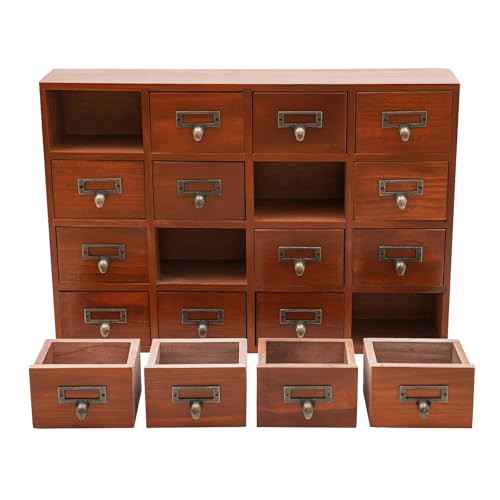
Antique Apothecary Cabinet: Complete Buying & Styling Guide
Explore the charm and utility of antique apothecary cabinets — from identifying authentic multi-drawer pieces to using them as striking bedroom storage. Everything you need before you decide.
START EXPLORINGWhy an antique apothecary cabinet? Originally built to organize remedies and small supplies in pharmacies and general stores, these multi-drawer cabinets have become one of the most versatile and character-rich storage pieces for modern homes. Their narrow drawers, compact footprint, and distinctive patina make them an appealing alternative to a standard dresser or chest of drawers — especially for small bedroom spaces and curated interiors.
What Is an Antique Apothecary Cabinet?
An antique apothecary cabinet is a storage piece historically used to hold medicines, herbs, and small shop supplies. It is characterized by a large number of small, shallow drawers — often arranged in uniform grids — each originally labeled with handwritten or painted lettering. Today, the term covers both genuine period pieces and later reproductions made in the same style.
Unlike a standard bedroom dresser, an apothecary cabinet is designed for small, categorized items rather than folded clothing. That is exactly what makes it so useful: it brings order to accessories, jewelry, craft supplies, linens, and keepsakes. If you are comparing storage formats, our guide on dresser vs chest of drawers is a helpful companion read before you commit to any one style.
Apothecary cabinets sit in a broader family of drawer-based storage. Understanding where they fit helps you choose the right piece for your room. Explore the full range of dresser types if you are still narrowing down the format, or browse antique chests if you want a more traditional drawer profile.
Key Features That Define the Style
Multi-Drawer Layout
Most apothecary cabinets feature 12 to 60 or more small drawers. The uniform grid creates a strong visual rhythm and makes sorting small items intuitive.
Shallow Drawer Depth
Shallow drawers prevent small items from getting lost at the back. This is ideal for jewelry, hardware, sewing supplies, and rolled linens.
Labeled Fronts
Original labeled drawers — or reproductions with hand-lettered fronts — are a signature detail. Labels can be preserved, refreshed, or left blank for a cleaner look.
Solid Wood Construction
Authentic pieces are typically built from solid wood such as oak, pine, or walnut. Dovetail joints and wooden drawer runners are strong indicators of quality.
Compact Footprint
Many apothecary cabinets are tall and narrow, which suits small bedrooms and awkward wall spaces better than a wide dresser.
Distinctive Patina
Age-related wear, darkened finishes, and original hardware give antique pieces a warmth that new furniture rarely matches.
How to Identify an Authentic Antique Apothecary Cabinet
Not every multi-drawer cabinet is genuinely antique. Reproduction pieces can be attractive and useful, but they should be evaluated on their own merits. Use the following checklist when assessing a piece:
- Joint construction: Hand-cut dovetail joints are a strong sign of age and craftsmanship. Machine-cut dovetails and stapled construction suggest a later reproduction.
- Drawer runners: Genuine antiques often use wooden drawer runners rather than modern metal slides. Wear patterns on the runners should look consistent with decades of use.
- Hardware: Original pulls, knobs, and escutcheons should show matching patina. Mismatched hardware can indicate replacement — not necessarily a problem, but worth noting.
- Labels and lettering: Hand-painted or hand-lettered labels that have faded organically are a positive indicator. Uniform, printed labels are more typical of reproductions.
- Wood grain continuity: On quality antiques, grain patterns often continue across drawer fronts cut from the same board.
- Odor and finish: Old wood often carries a distinct, dry, aged scent. A strong chemical smell may suggest recent refinishing or reproduction.
- Provenance: Documentation, maker's marks, or a known dealer history add confidence. Ask questions before committing.
If authenticity matters to you, inspect in person where possible. For online purchases, request close-up photos of joints, drawer bottoms, and hardware before deciding. The same diligence applies to any antique storage piece — our notes on antique chest of drawers cover similar verification points.
Apothecary Cabinet Tiers: What to Expect at Each Level
Apothecary cabinets span a wide range of quality and origin. Use this tier framework to set expectations — it focuses on construction and positioning rather than any specific figure.
| Tier | Typical Construction | Best For |
|---|---|---|
| Entry-Level / Starter Tier | Engineered wood or mixed materials, machine-cut joints, decorative labeling | First apothecary-style piece, rental spaces, light accessory storage |
| Mid-Range / Balanced Tier | Solid wood frames with some engineered components, improved drawer runners | Everyday bedroom storage, craft organization, curated decor |
| Premium / High-End Tier | Solid hardwood construction, dovetail joints, quality hardware, refined finish | Long-term use, visible living areas, collectors who value craftsmanship |
| Antique / Top-Tier | Genuine period piece with original features, documented age, and patina | Collectors, heritage interiors, statement pieces with provenance |
As a general rule, mid-range models usually offer smoother drawer action and better alignment than entry-level pieces, while premium and antique tiers justify their position through materials, joinery, and longevity. A well-chosen mid-range or premium cabinet is often the most efficient long-term investment for a bedroom.
Materials and Finishes to Look For
The material of an apothecary cabinet affects both its durability and its visual character. Common options include:
- Oak: Dense, durable, and resistant to wear — a common choice for both antique and reproduction cabinets.
- Pine: Softer and lighter in tone, often used in farmhouse-style pieces. Expect more visible dents over time.
- Walnut: Rich, dark grain that suits formal and mid-century interiors. Often associated with premium tiers.
- Maple: Fine, even grain with good hardness — a solid choice for pieces intended for heavy daily use.
- Painted finishes: White, black, and gray painted cabinets are popular for modern and farmhouse rooms. Check that paint has not seized the drawers.
For a deeper look at how wood choice affects dressers and drawer furniture more broadly, see our materials and finishes section.
Using an Apothecary Cabinet for Bedroom Storage
An apothecary cabinet is not a direct replacement for a clothing dresser, but it can complement one beautifully. Its shallow drawers are ideal for:
- Jewelry and accessories: Compartmentalized drawers keep necklaces, rings, and watches tangle-free.
- Socks, underwear, and folded basics: Small drawers make these items easy to see and reach.
- Linens and scarves: Rolled or folded textiles fit neatly in shallow drawers.
- Keepsakes and small electronics: Cables, chargers, and personal items stay organized and out of sight.
- Craft and hobby supplies: The multi-drawer format is a natural fit for sorting small components.
If your main goal is clothing storage, pair an apothecary cabinet with a full-size dresser or chest. Browse bedroom storage solutions and dresser organization tips to plan a complete system. For compact rooms, a small dresser alongside an apothecary cabinet can cover both clothing and accessories without overwhelming the space.
Styling and Placement Ideas
An antique apothecary cabinet works as both a functional piece and a visual anchor. Consider these placement strategies:
- Bedroom accent wall: Place a tall, narrow cabinet against a feature wall to add height and texture without taking up floor width.
- Bedside companion: A compact cabinet can serve as a tall nightstand with far more storage than a standard table.
- Entryway or hallway: The multi-drawer format is excellent for keys, mail, gloves, and small everyday items.
- Bathroom vanity alternative: A sealed, well-finished cabinet can hold toiletries if the room is well ventilated.
- Living room or study: Use it to organize media, stationery, or collections while adding antique character.
For broader inspiration, explore room ideas and bedroom dresser ideas to see how drawer-based pieces are styled in real spaces.
Care and Maintenance Basics
- Dust regularly: Use a soft cloth on drawer fronts and a vacuum brush attachment for crevices.
- Control humidity: Antique wood responds to moisture swings. Keep the cabinet away from direct heat and damp walls.
- Wax wooden runners: A small amount of furniture wax on wooden drawer runners keeps drawers gliding smoothly.
- Avoid harsh cleaners: Mild soap and water on a damp cloth is usually sufficient. Test any product on a hidden area first.
- Protect the finish: Use coasters and felt pads under decorative objects to prevent scratches.
If you are considering refinishing a piece, read our guide on how to refinish a dresser first — some finishes are best left untouched to preserve character and authenticity.
Apothecary Cabinet vs Other Storage Pieces
An apothecary cabinet is one option among many. Here is how it compares to common alternatives:
| Piece | Best For | Consider If |
|---|---|---|
| Antique Apothecary Cabinet | Small items, accessories, curated storage | You want character, compact footprint, and many small compartments |
| Standard Dresser | Folded clothing and linens | You need primary clothing storage with deeper drawers |
| Chest of Drawers | Vertical clothing storage | You prefer a tall profile with larger drawers |
| Armoire / Wardrobe | Hanging clothes and bulky items | You need a mixed hanging and shelving solution |
For a closer comparison, read dresser vs armoire and dresser vs wardrobe to decide which format best fits your routine.
Frequently Asked Questions
Is an antique apothecary cabinet practical for everyday bedroom use?
Yes, as a complement to a primary dresser. Its shallow drawers are best for accessories and small items rather than bulky clothing. Many people use one alongside a standard dresser or chest for a complete storage setup.
How many drawers should an apothecary cabinet have?
There is no fixed rule. Historic pieces range from around a dozen drawers to well over fifty. For home use, 12 to 30 drawers is a practical range that offers plenty of organization without becoming unwieldy.
Can reproduction apothecary cabinets be a good choice?
Absolutely. Well-made reproductions in the mid-range and premium tiers often offer smoother drawer action and more consistent construction than heavily worn antiques. The key is to inspect joinery, drawer alignment, and hardware quality.
What should I check before buying an antique piece online?
Request close-up photos of dovetail joints, drawer bottoms, hardware, and labels. Ask about repairs, refinishing history, and any structural issues. Confirm the seller's return policy before committing.
How do I stop antique drawers from sticking?
Start with a light application of furniture wax on the wooden runners. Check for swelling caused by humidity and adjust the room environment if needed. Avoid sanding unless a professional recommends it, as aggressive sanding can reduce value.
Ready to see apothecary-style cabinets and complementary storage options available right now? Browse our curated selection to compare features, drawer counts, and construction quality.
VIEW RECOMMENDED OPTIONS