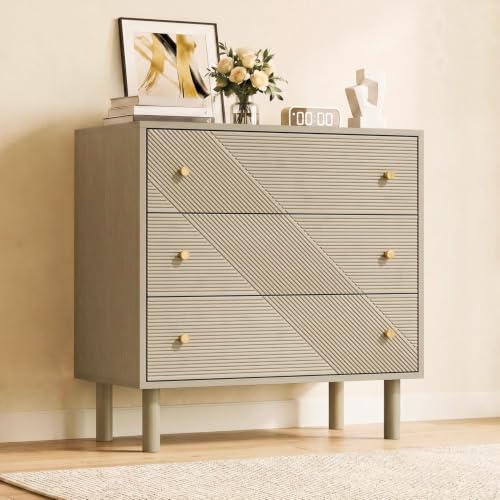
30 Wide Dresser: The Perfect Fit for Narrow Spaces
Maximize your bedroom storage with a 30-inch wide dresser. Explore styles, materials, organization tips, and find the ideal compact dresser for your home.
Why choose a 30 wide dresser? This versatile width fits perfectly in tight bedrooms, hallways, and apartments, offering ample storage without overwhelming your floor plan. Whether you need extra clothing storage or a stylish accent piece, a 30-inch dresser delivers function and style.
Understanding the 30 Wide Dresser
A 30 wide dresser (also called a 30-inch dresser or narrow dresser) typically measures 30 inches in width, with depths ranging from 16 to 20 inches and heights from 30 to 48 inches. This compact footprint makes it ideal for:
Styles & Materials for 30-Inch Dressers
30 wide dressers come in a variety of styles to match any decor. From modern minimalism to rustic farmhouse, you can find the perfect piece. Common materials include:
- Solid Wood: Durable and timeless (oak, walnut, pine). Explore hardwood dressers for long-lasting quality.
- Engineered Wood: Affordable and lightweight (MDF, particleboard).
- Rattan & Wicker: Adds bohemian texture. See our boho dressers for inspiration.
- Metal & Industrial: Modern and sleek.
Popular finishes include white, black, gray, and natural wood tones. A white wide dresser can brighten a small room, while a dark gray dresser adds a contemporary feel.
Drawer Configurations & Storage
Despite its compact width, a 30 wide dresser can offer surprising storage capacity. Common configurations include:
- 5-Drawer: Vertical stacking for maximum storage in a small footprint.
- 6-Drawer: Two columns of three drawers, offering balanced storage.
- 3-Drawer: Deeper drawers for bulkier items like sweaters.
- 4-Drawer: A classic layout with a mix of shallow and deep drawers.
For added versatility, consider a dresser with mirror or a tall lingerie dresser if you need more vertical storage.
Pros and Cons of a 30 Wide Dresser
✓ Advantages
- Perfect for small bedrooms and narrow spaces.
- Lightweight and easy to move.
- Available in many styles and finishes.
- Affordable compared to larger dressers.
- Great as a secondary dresser or accent piece.
✗ Considerations
- Limited storage capacity for large wardrobes.
- May not fit bulky items like winter coats.
- Drawer depth can be shallower than standard.
- Less surface area for display or TV placement.
How to Choose the Best 30 Wide Dresser
When shopping for a 30-inch dresser, consider these factors to make the right choice:
- Measure Your Space: Ensure you have at least 30 inches of wall space and enough depth for the dresser and drawer clearance.
- Assess Your Storage Needs: Count your clothing items. If you have many t-shirts and socks, a 6-drawer configuration is ideal. For bulkier items, opt for deeper 3-4 drawer models.
- Choose a Durable Material: Solid wood offers longevity, while engineered wood is budget-friendly. Oak wood dressers are a classic choice for durability.
- Pick a Style That Complements Your Decor: A white farmhouse dresser suits rustic interiors, while a modern 6-drawer dresser fits contemporary spaces.
- Consider Additional Features: Soft-close drawers, removable dividers, and anti-tip hardware add safety and convenience.
Pro Tip: If you're looking for a matching set, explore our dresser and nightstand sets for a cohesive bedroom look.
Where to Place a 30 Wide Dresser
This versatile piece can be used in multiple rooms:
- Bedroom: Against a narrow wall, next to the bed, or inside a walk-in closet.
- Nursery: A nursery dresser with a changing table top is a space-saving solution.
- Hallway: Use as a console table for keys and mail.
- Bathroom: A bathroom dresser can store towels and toiletries.
- Living Room: As a media stand or sideboard for electronics.
For more inspiration, check out our room ideas section.
Caring for Your 30 Inch Dresser
To keep your dresser looking new for years:
- Dust regularly with a soft, dry cloth.
- Avoid harsh chemicals; use a mild wood cleaner.
- Keep away from direct sunlight to prevent fading.
- Check and tighten hardware periodically.
- Use felt pads under heavy items to prevent scratches.